

Choosing the Best Telemedicine Platform for Your Needs
Choosing the Best Telemedicine Platform for Your Needs

The landscape of healthcare has been fundamentally reshaped by the rise of virtual care. For patients and providers alike, selecting the right telemedicine platform is no longer a matter of simple convenience, but a critical decision impacting the quality, accessibility, and security of care. With a dizzying array of options available, from direct-to-consumer apps to enterprise systems for large clinics, understanding the core features, use cases, and trade-offs is essential. This guide cuts through the noise to help you identify the best telemedicine platforms based on your specific needs, whether you’re an individual seeking occasional care, a patient managing a chronic condition, or a healthcare organization building a robust digital health strategy.
Defining Your Telemedicine Requirements
Before comparing specific platforms, the most important step is to clearly define what you need from a virtual care solution. The “best” platform is entirely contextual. A platform ideal for a solo psychiatrist conducting weekly therapy sessions will differ vastly from one suited for a large hospital system managing acute, on-demand urgent care visits. For individual patients, considerations include the types of medical issues you need addressed, your insurance coverage, and your comfort with technology. For healthcare providers and organizations, the evaluation must encompass clinical workflow integration, scalability, and regulatory compliance. A common pitfall is choosing a feature-rich platform that fails to integrate with existing electronic health records (EHR), creating double documentation and clinician burnout. Conversely, a platform that is simple for patients but lacks robust security measures poses significant risk.
Key questions to ask include: What is the primary use case (e.g., urgent care, chronic disease management, mental health, dermatology)? Who are the end-users (patients, doctors, specialists, administrative staff)? What is the budget model (subscription, pay-per-visit, enterprise licensing)? How important is interoperability with other health IT systems? Answering these questions creates a framework for effective comparison. For instance, a platform focusing on dermatology should have high-resolution image capture and storage capabilities, while one for chronic disease management must facilitate regular monitoring and data tracking.
Core Features of Leading Telemedicine Platforms
While features vary, all reputable best telemedicine platforms share a foundational set of capabilities that ensure safe, effective, and legal operation. At the heart of any platform is the video conferencing engine. This must provide stable, high-quality audio and video with minimal latency, even on lower-bandwidth internet connections. It should also include features like virtual waiting rooms, screen sharing for patient education, and the ability for providers to easily admit patients from the queue. Beyond the core visit, secure messaging is a vital asynchronous communication tool, allowing for follow-up questions, prescription clarifications, and non-urgent updates without scheduling a full appointment.
Patient scheduling and intake are another critical component. A robust platform offers online self-scheduling, automated reminders (via SMS and email), and digital intake forms that patients can complete before their visit. This streamlines administrative tasks and maximizes valuable consultation time. Integrated payment processing is also standard, handling co-pays, self-pay fees, and sometimes even insurance verification. Perhaps most crucially, the platform must be built on a foundation of stringent healthcare data security. This means full HIPAA compliance, data encryption both in transit and at rest, and secure user authentication. Providers should look for platforms that undergo regular independent security audits. For a deeper dive into this non-negotiable aspect, our guide on securing telemedicine platforms and patient data protection outlines the essential protocols and questions to ask vendors.
To summarize, when evaluating options, ensure they offer this core feature set:
- High-definition, low-latency video conferencing with a virtual waiting room.
- Secure, HIPAA-compliant messaging for asynchronous communication.
- Digital patient scheduling, reminders, and intake forms.
- Integrated billing and payment processing.
- Enterprise-grade security with encryption and access controls.
- Technical support for both providers and patients.
Evaluating Platform Specializations and Integrations
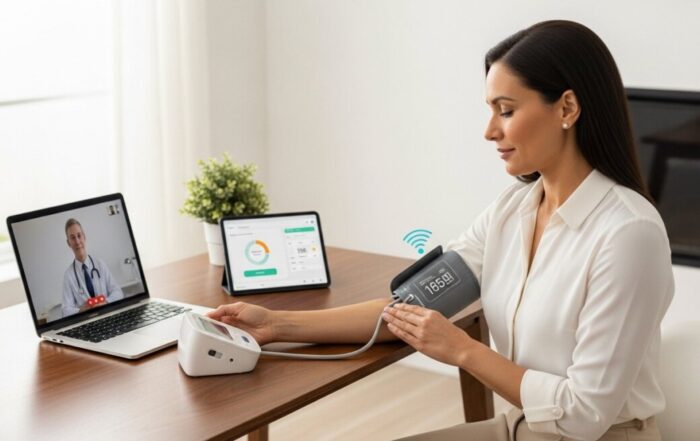
The differentiation between top telemedicine platforms often lies in their specializations and ability to connect with the broader healthcare ecosystem. Some platforms are designed as broad-market, all-purpose tools suitable for general urgent care or primary care follow-ups. Others carve out specific niches. For example, certain platforms excel in mental and behavioral health, offering features like mood tracking, journaling tools, and specialized workflows for therapists. Others are tailored for specialty care, such as telestroke programs requiring rapid neurology consults or remote patient monitoring (RPM) for chronic conditions like diabetes or hypertension, where integration with Bluetooth glucometers and blood pressure cuffs is essential.
Integration capability is a major differentiator for healthcare organizations. The best telemedicine platforms for clinical use offer deep, bidirectional integrations with popular EHR systems like Epic, Cerner, or Athenahealth. This allows for single-sign-on, automatic posting of visit notes and diagnoses into the patient’s chart, and the ability to pull relevant medical history into the telehealth session. Without this integration, providers face significant administrative burden. Similarly, integration with pharmacy systems for e-prescribing and lab systems for ordering and receiving results is crucial for a seamless workflow. For organizations looking to build or expand their own branded service, exploring white label telemedicine platform strategies can provide control over patient experience and branding while leveraging established technology.
The rise of hybrid care models, which blend in-person and virtual visits, further demands flexible platforms. Features like the ability to easily convert an in-person appointment to a virtual one, or to schedule a series of visits in different modalities, support this modern approach to care delivery. Furthermore, platforms that offer application programming interfaces (APIs) allow larger organizations to build custom functionalities, connecting telemedicine data with population health tools or custom patient portals.
Cost Structures and Accessibility Considerations
The financial model of a telemedicine platform is a decisive factor for adoption. Costs are structured in several ways, each with implications for providers and patients. For healthcare practices, common models include per-provider monthly subscriptions, per-encounter fees, or enterprise licenses based on practice size or visit volume. Subscription models offer predictable costs and often include all features, while pay-per-use models can be more economical for low-volume practices. Patients, on the other hand, typically encounter costs through visit fees, which may be a flat rate, a co-pay similar to an office visit, or a subscription fee for unlimited access to a specific network of doctors.
Insurance coverage remains a pivotal aspect of accessibility. Many insurers now cover telehealth visits for a wide range of services, often at parity with in-person visits. The best telemedicine platforms facilitate this by handling insurance verification and billing directly, or by providing patients with the necessary documentation (superbills) to submit for reimbursement. For uninsured or underinsured patients, transparent self-pay pricing is vital. Some platforms have built partnerships with employers or health plans to offer $0 co-pay telemedicine as a benefit, dramatically increasing access. It’s important to scrutinize what is included in the visit fee; some platforms include the cost of any prescriptions for certain conditions, while others charge separately.
Accessibility extends beyond cost to include digital literacy and language. Leading platforms invest in intuitive, user-friendly interfaces that work seamlessly on smartphones, tablets, and computers. Features like multi-language support, closed captioning for the hearing impaired, and compatibility with screen readers for the visually impaired are markers of a platform designed for equitable access. Technical support that is easily reachable via phone or chat is also crucial for patients who may be less comfortable with technology, ensuring that the digital divide does not become a barrier to care.
Frequently Asked Questions
What conditions can be treated through the best telemedicine platforms?
Telemedicine is effective for a wide range of non-emergency conditions. Common uses include urgent care issues (sinus infections, UTIs, pink eye, rashes), mental health therapy and counseling, chronic disease management follow-ups (for diabetes, hypertension), dermatology consultations (with photo upload), prescription refills, and lifestyle counseling. It is not suitable for medical emergencies like chest pain, severe shortness of breath, or stroke symptoms, which require immediate in-person emergency care.
Are prescriptions available through telemedicine visits?
Yes, licensed providers on telemedicine platforms can prescribe medications when clinically appropriate. This includes medications for many acute infections, chronic conditions, mental health, and more. However, controlled substances (like certain pain medications or ADHD drugs) are subject to strict federal and state regulations, and not all platforms or providers can prescribe them via telehealth. Providers must adhere to state licensing laws and establish a proper patient-provider relationship.
How do I know if a telemedicine platform is secure and private?
Reputable platforms will openly state their HIPAA compliance and detail their security measures. Look for information about end-to-end encryption for video calls, secure data storage, and regular security audits. Avoid using general-purpose video conferencing tools (like standard consumer Zoom) for medical visits, as they are not configured for healthcare’s privacy requirements. The platform’s privacy policy should clearly explain how your health data is used and protected.
Can I use telemedicine if I have Medicare or Medicaid?
Coverage has expanded significantly. Medicare covers telehealth services for many beneficiaries, especially after permanent policy changes. Medicaid coverage varies by state, but most states now reimburse for a variety of telehealth services. It is best to check with your specific plan or state Medicaid agency to understand your coverage details, including any co-pays or visit limitations.
What equipment do I need for a telemedicine appointment?
You typically need a smartphone, tablet, or computer with a camera, microphone, and speaker and a reliable internet connection. Most platforms work through a web browser or a dedicated mobile app. It’s advisable to test your device and connection before your appointment, ensure you are in a private, well-lit location, and have your pharmacy information and a list of current medications ready.
Selecting a telemedicine platform is a significant decision with lasting impact on health outcomes and care delivery efficiency. By methodically assessing your needs against the core features, specializations, integrations, and cost models outlined here, you can move beyond generic lists to find a solution that truly fits. The ideal platform acts as an invisible bridge, connecting patients to care in a way that feels simple, secure, and effective, ultimately supporting the overarching goal of making quality healthcare more accessible for everyone.
About the Author: Daniel Brooks




Sign up for our newsletter and Save 20% on Test Kits
"*" indicates required fields