
Choosing the Best Telemedicine App for Online Doctor Visits
Choosing the Best Telemedicine App for Online Doctor Visits
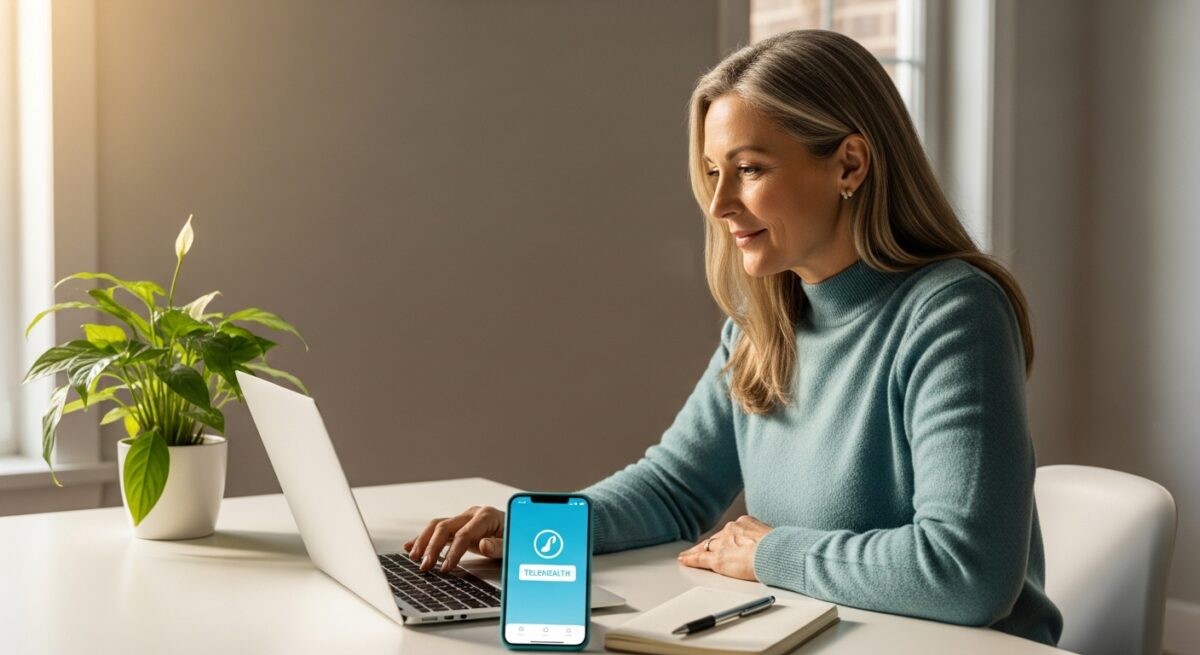
Imagine consulting a board-certified physician from your living room, receiving a diagnosis for a persistent cough while on your lunch break, or managing a chronic condition without ever sitting in a waiting room. This is the reality made possible by the rapid evolution of telemedicine apps and websites for online doctor consultations. The digital healthcare landscape has transformed from a niche convenience into a mainstream pillar of medical access, offering a practical solution for non-emergency care, specialist follow-ups, and routine medical advice. For millions, a telemedicine app is now the first point of contact with the healthcare system, blending technology with clinical expertise to deliver care where and when it’s needed most.
Understanding the Telemedicine Platform Ecosystem
Telemedicine platforms are not monolithic. They vary significantly in their design, target audience, and service model, which directly impacts the patient experience. At a fundamental level, these platforms connect patients with licensed healthcare providers through secure digital channels. This can occur via synchronous communication, like live video calls that mimic an in-person visit, or asynchronously, where patients answer detailed questionnaires and providers respond within a set timeframe, often for simpler, more straightforward conditions. The core value proposition remains consistent: increased accessibility, reduced time and cost burdens associated with traditional visits, and the empowerment of patients to take a more active role in their health management from a familiar environment.
The technology underpinning a reliable telemedicine website or mobile app is complex, focusing on three critical pillars: connectivity, security, and usability. High-quality, low-latency video and audio are non-negotiable for an effective consultation. Equally important is a robust commitment to data privacy, employing end-to-end encryption and HIPAA-compliant data storage to protect sensitive health information. Finally, the user interface must be intuitive for a diverse demographic, from tech-savvy young adults to older patients who may be less familiar with digital tools. A platform that fails in any of these areas compromises the clinical encounter and patient trust.
Key Features to Evaluate in a Telemedicine Service
When selecting a platform for online doctor consultations, looking beyond the basic promise of a virtual visit is essential. The depth and breadth of features can distinguish a satisfactory experience from an exceptional one. Not every user requires every feature, but understanding what is available allows you to match a service to your specific health needs and expectations. A comprehensive platform does more than facilitate a call, it integrates care management tools that support the entire patient journey, from symptom checking to prescription fulfillment.
Before committing to a subscription or creating an account, consider if the platform offers the following core and advanced features that align with your healthcare goals:
- Broad Provider Networks and Specialties: Does the service offer access to a wide range of providers, including primary care physicians, pediatricians, dermatologists, psychiatrists, and other specialists? A limited network can be a significant barrier to comprehensive care.
- Integrated Prescription Services: Can providers electronically send prescriptions to your preferred pharmacy, or does the platform have an integrated digital pharmacy for direct delivery? This is crucial for managing ongoing conditions.
- At-Home Testing Kit Integration: Some advanced platforms, like Doctors Home, bridge the gap between virtual diagnosis and concrete lab data by offering access to at-home testing kits. These kits can be ordered after a consultation to gather vital health metrics, with results reviewed remotely by your provider.
- Detailed Medical Profiles and History: A secure, persistent place to store your medical history, allergies, current medications, and past consultation notes ensures every virtual visit is informed and efficient.
- Insurance and Billing Transparency: Clear information on accepted insurance plans, copay amounts, and self-pay rates is critical to avoid surprise bills. The best platforms handle insurance verification and claims submission seamlessly.
Furthermore, consider ancillary features like 24/7 on-demand availability versus scheduled appointments, the option for text-based or phone-only consultations, and family account management that allows you to care for dependents under one profile. The integration of these tools within a single telemedicine app creates a cohesive healthcare hub, reducing the fragmentation that often plagues modern medicine. For individuals navigating care without traditional insurance, understanding these features is even more vital, as explored in our guide on how to get an online doctor consultation without insurance.
The Practical Benefits of Adopting Telemedicine
The adoption of telemedicine mobile apps delivers tangible, measurable benefits for patients, providers, and the healthcare system at large. The most immediate advantage is unparalleled convenience. Eliminating commute time, taking less time off work, and avoiding waiting rooms full of other sick patients saves hours and reduces stress. This convenience directly translates to improved healthcare access for rural populations, individuals with mobility challenges, and those with demanding schedules who previously delayed care. Furthermore, telemedicine websites can dramatically reduce exposure to contagious illnesses, a consideration that has become permanently relevant in the post-pandemic world.
From a clinical perspective, telemedicine fosters continuity of care. It makes follow-up appointments for chronic conditions like diabetes, hypertension, or mental health concerns easier to keep, leading to better long-term health outcomes and medication adherence. For acute, minor ailments like sinus infections, rashes, or urinary tract infections, it provides a swift path to diagnosis and treatment, often at a lower cost than an urgent care or emergency room visit. The efficiency gains are substantial, allowing providers to see more patients while dedicating more focused attention during each encounter, free from the administrative overhead of a physical clinic.
Navigating Limitations and Ensuring Safe Use
While powerful, telemedicine is not a panacea and understanding its boundaries is a critical component of responsible use. A virtual consultation cannot replace all in-person care. It is unsuitable for medical emergencies such as chest pain, severe shortness of breath, stroke symptoms, or major trauma, which require immediate emergency services. Physical examinations are inherently limited, though providers can guide patients through self-examinations (like checking a throat or a rash) and leverage data from connected devices (like blood pressure cuffs or glucose monitors). Certain conditions simply require hands-on assessment, imaging, or complex procedures that cannot be performed remotely.
To ensure a safe and effective telemedicine experience, patients must be proactive. Prepare for your consultation as you would for an in-person visit: have a list of symptoms, their duration, and any relevant medical history ready. Ensure you are in a private, well-lit, and quiet location to protect your privacy and facilitate clear communication. Test your technology (camera, microphone, internet connection) beforehand. Be honest and thorough in your descriptions, as the provider relies heavily on your reported symptoms. Finally, understand the platform’s protocols for what happens if your condition requires in-person follow-up, including how your records will be transferred to a local facility or provider.
Future Trends in Digital Health Consultations
The trajectory of telemedicine points toward deeper integration and sophistication. We are moving beyond simple video calls toward a model of hybrid care, where virtual and in-person visits are seamlessly coordinated based on medical necessity. Artificial intelligence (AI) is beginning to play a supporting role, with algorithms helping to triage patient symptoms before a consultation, manage administrative scheduling, and even provide clinicians with diagnostic suggestions based on vast datasets. The integration of data from wearable devices (smartwatches, continuous glucose monitors) into telemedicine apps will provide providers with a continuous stream of objective health data, enabling more personalized and preventative care.
Furthermore, the scope of conditions treated via telemedicine platforms is expanding. Specialized services for dermatology, psychiatry, physical therapy, and chronic disease management are becoming more robust and clinically validated. The convergence of telemedicine with digital pharmacy services and at-home diagnostic testing, as seen with platforms offering at-home testing kits, creates a closed-loop ecosystem where diagnosis, testing, and treatment can be managed entirely remotely for appropriate conditions. This evolution promises to make comprehensive, continuous, and convenient care the new standard, rather than the exception.
Frequently Asked Questions
Are prescriptions from telemedicine apps legitimate? Yes, absolutely. Licensed healthcare providers on reputable platforms have the same authority to prescribe medication as they do in a physical office, with certain legal exceptions for controlled substances which have stricter federal and state regulations. Prescriptions are sent electronically to a pharmacy of your choice.
How much does a typical telemedicine visit cost? Costs vary widely. Many insurance plans now cover telemedicine visits, often with a copay similar to a primary care visit (e.g., $0-$50). For those without insurance, self-pay rates typically range from $50 to $150 per visit for general consultations. Subscription-based models also exist, offering unlimited visits for a monthly fee.
Can I use telemedicine for my child? Yes, most major platforms offer pediatric services. You will need to set up a profile for your child and be present during the consultation to provide history and consent for treatment. The provider must be licensed in your state to treat pediatric patients.
What equipment do I need for a video consultation? You need a smartphone, tablet, or computer with a reliable internet connection, a working camera, a microphone, and speakers (or headphones). Most telemedicine mobile apps and websites run in a standard web browser or via a downloadable app, with no special hardware required.
Is my health information safe on these platforms? Reputable telemedicine services are required by law (HIPAA in the U.S.) to protect your personal health information. They use encryption for data transmission and secure servers for storage. Always review the platform’s privacy policy to understand how your data is used and protected.
The rise of telemedicine apps and websites represents a fundamental shift toward patient-centered, accessible healthcare. By carefully evaluating platforms based on features, security, and provider quality, you can leverage this technology to take greater control of your health journey. It offers a pragmatic, efficient complement to traditional care, ensuring medical guidance is only a few clicks away for non-emergent needs. As the technology continues to mature and integrate with other digital health tools, its role in delivering continuous, coordinated, and convenient care will only become more solidified.
About the Author: Emily Rodriguez





Sign up for our newsletter and Save 20% on Test Kits
"*" indicates required fields