
At Home UTI Test Strips: How They Work and Accuracy Explained
At Home UTI Test Strips: How They Work and Accuracy Explained
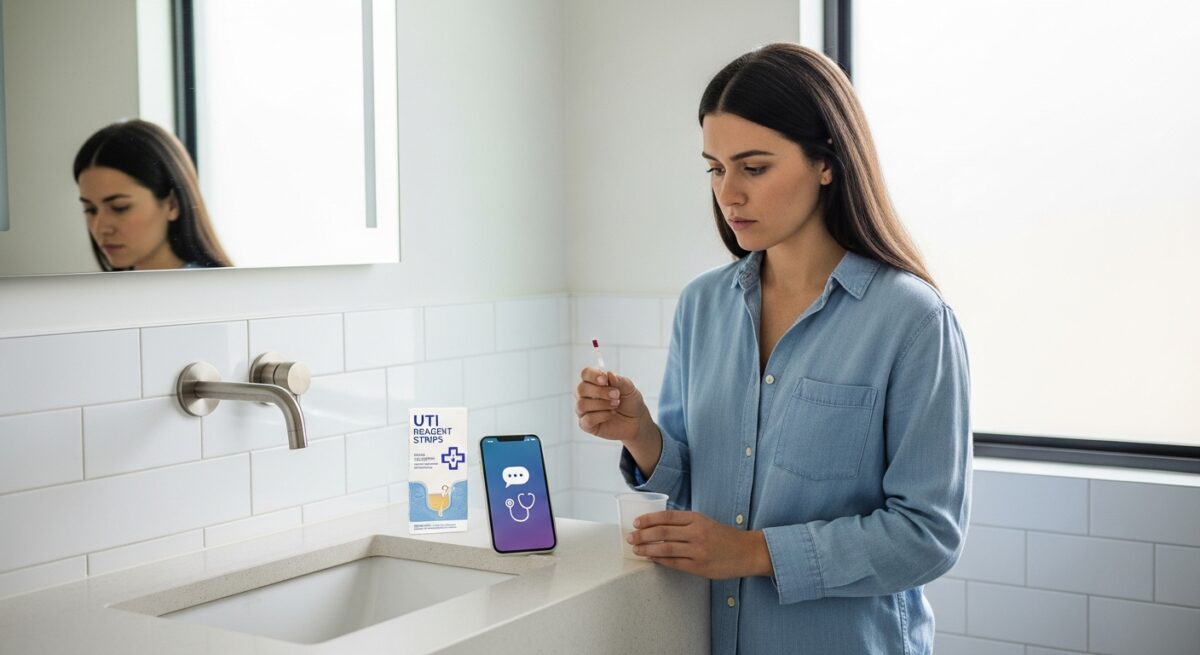
That sudden, urgent, and uncomfortable sensation is a familiar alarm for millions. A urinary tract infection (UTI) can disrupt your day and cause significant worry, often sending you scrambling to schedule a doctor’s appointment. But what if you could get an initial answer from the privacy of your own bathroom in minutes? At home UTI test strips have become a cornerstone of modern self-care, offering a quick, private way to check for common signs of infection. These small diagnostic tools represent a significant shift toward patient empowerment and proactive health management. Understanding how these strips function, what they actually measure, and crucially, the realistic scope of their accuracy is essential for using them effectively as part of a broader healthcare strategy. This knowledge ensures you can make informed decisions about when to seek professional care, potentially saving time, reducing anxiety, and contributing to more responsible antibiotic use.
The Science Behind the Strip: Detecting Chemical Clues
At home UTI test strips, also known as dipstick tests or urinalysis strips, operate on a simple yet sophisticated biochemical principle. They are designed to detect specific chemical changes in your urine that commonly occur during a bacterial infection in the urinary tract. The strip itself is a thin plastic or paper stick with several small, padded squares attached. Each of these squares, or pads, contains different chemical reagents that react with particular substances in the urine. When you dip the strip into a fresh urine sample, these reagents undergo color changes based on the concentration of the target compounds.
The process is a form of qualitative and semi-quantitative analysis. The intensity of the color change on each pad corresponds to the level of that substance present. You then compare the colored pads to a reference color chart provided on the test kit’s packaging. This comparison allows you to interpret the results, typically indicating negative, trace, moderate, or high levels for each parameter. It is a rapid diagnostic tool that translates complex bodily chemistry into a visual, user-friendly result. The convenience of a uti test at home lies in this immediate feedback, which can be especially valuable for individuals prone to recurrent infections or those seeking initial guidance before contacting a healthcare provider.
What the Test Pads Actually Measure
Not all at home uti test strips are identical, but most check for a core set of biomarkers. It is critical to understand that these strips do not detect bacteria directly. Instead, they look for the chemical byproducts of bacterial activity and the body’s inflammatory response. The most common and significant parameters include nitrites, leukocytes (white blood cells), and sometimes blood and protein.
Nitrites are a key indicator. Many common UTI-causing bacteria, such as E. coli, possess an enzyme that converts nitrates (normally found in urine) into nitrites. A positive nitrite test is a strong, though not absolute, indicator of a bacterial infection. Leukocyte esterase is an enzyme released by white blood cells (leukocytes), which the body sends to fight infection. A positive leukocyte test suggests inflammation somewhere in the urinary tract, often due to an infection. Some strips also test for blood (hematuria), as red blood cells can enter the urine due to inflammation of the bladder or urethral lining. Protein (proteinuria) may also be detected, as infection can cause the kidneys to leak small amounts of protein into the urine.
To use the test correctly, it is important to follow the specific instructions on your urinary infection test kit. However, the general process involves a few key steps:
- Collect a mid-stream urine sample in a clean, dry container to avoid contamination from skin bacteria.
- Briefly dip the reagent end of the strip fully into the urine sample, ensuring all pads are submerged.
- Remove the strip immediately and tap the edge gently against the container to remove excess urine.
- Lay the strip flat and wait for the exact amount of time specified in the instructions (usually 60 to 120 seconds). Reading the results too early or too late can lead to inaccurate interpretations.
- Compare each pad to the corresponding color block on the bottle or package. Record the results for each parameter.
Interpreting Your Results: A Guide to Next Steps
Reading the results of your at home UTI test is more nuanced than a simple “yes” or “no.” The combination of positive and negative findings across the different pads tells a story and guides your subsequent actions. A classic presentation for an uncomplicated UTI is positive results for both nitrites and leukocytes. This combination has a higher predictive value for a bacterial infection than either marker alone. A positive nitrite test with a negative leukocyte test may still indicate an infection, especially in early stages. Conversely, a positive leukocyte test with a negative nitrite test could signal inflammation from an infection caused by bacteria that do not convert nitrates (like some Staphylococcus or Enterococcus species), or it could point to other causes of urinary inflammation, such as a sexually transmitted infection, vaginal irritation, or interstitial cystitis.
It is equally important to understand what a negative result means. If both nitrites and leukocytes are negative, it is less likely you have a typical bacterial UTI. However, no test is perfect. A false negative can occur if the bacteria present do not produce nitrites, if you have a very dilute urine sample (from drinking large amounts of fluid), or if you read the test outside the specified time window. This is why symptom correlation is paramount. Severe burning, urgency, frequency, and pelvic pain, even with a negative home test, warrant a consultation with a healthcare professional. The at home test is a screening tool, not a definitive diagnostic instrument.
Based on your results and symptoms, your action plan should follow a logical path. For positive or unclear results accompanied by symptoms, the next step is to seek professional medical advice. This is where telemedicine services, like those offered by Doctors Home, become incredibly valuable. You can quickly connect with a licensed healthcare provider, share your symptom history and home test results, and determine if a prescription treatment is appropriate, all without leaving your home. For negative results with mild or resolving symptoms, monitoring your condition may be sufficient. However, if symptoms persist or worsen, professional evaluation is still necessary. A negative home test should not be used to ignore significant or persistent discomfort.
Accuracy, Limitations, and the Role of Professional Diagnosis
The accuracy of at home UTI test strips is a common and vital question. When used correctly, these strips have a reasonably high sensitivity and specificity for detecting the chemical markers they target. Studies suggest that for detecting nitrites and leukocytes, the sensitivity (ability to correctly identify those with the condition) and specificity (ability to correctly identify those without the condition) can range from the mid-70s to over 90 percent, depending on the study and population. However, these figures refer to the test’s ability to detect the chemical markers, not to definitively diagnose a UTI. The real-world diagnostic accuracy for a UTI depends on the pre-test probability based on your symptoms and risk factors.
The limitations of these home kits are significant and must be respected. First, they cannot identify the specific type of bacteria causing the infection, which is crucial for determining the most effective antibiotic. Second, they cannot perform a urine culture, which is the gold standard for diagnosing a UTI and testing for antibiotic susceptibility. Third, they are screening tools for uncomplicated UTIs in otherwise healthy individuals. They are not designed for, and can be misleading in, more complex cases such as infections in pregnant women, men, children, individuals with diabetes, recurrent UTIs, or suspected kidney infections (pyelonephritis). In these populations, professional evaluation and likely a lab-based urine culture are essential.
This is precisely why the home test is best viewed as the first step in a modern care pathway, not the final word. It provides valuable data that can accelerate and inform a telemedicine consultation. A provider can use your reported symptoms and test strip results to make a more informed assessment. In many cases of uncomplicated UTIs, this is sufficient for a diagnosis and treatment plan. For more complex presentations, the provider will recommend further in-person evaluation or testing. This integrated approach leverages the convenience of home testing while ensuring the safety and accuracy of professional medical oversight. Understanding genetic predispositions can also inform overall health strategies, as explored in our guide on at home DNA tests and their health insights.
Frequently Asked Questions About Home UTI Tests
Can a home UTI test strip give a false positive?
Yes. A false positive is possible. For example, leukocytes can be present due to vaginal contamination (so proper sample collection is key), other sources of inflammation, or even certain medications. Nitrite tests can rarely be affected by dietary factors or certain drugs.
How soon after symptoms start should I use a test strip?
It is best to wait until you have a concentrated first-morning urine sample, as it will have the highest concentration of any biomarkers. If you test too early in the infection, bacterial levels may be too low to produce a positive nitrite result.
Are there any medications that can interfere with the results?
Yes. High doses of Vitamin C (ascorbic acid) can cause a false negative nitrite result. Some antibiotics, if already started, will obviously affect the results. Always inform a healthcare provider of any medications you are taking.
Can men use at home UTI test strips?
While the strips will work chemically, UTIs in men are less common and often considered complicated, requiring medical evaluation to rule out underlying issues like prostate problems. Men should consult a doctor for UTI symptoms rather than relying solely on a home test.
Where should I store my unused test strips?
Always store them in their original container with the lid tightly closed, in a cool, dry place away from direct sunlight and moisture. Exposure to air and humidity can degrade the chemical reagents, rendering the strips inaccurate. Check the expiration date before use.
The advent of reliable at home UTI test strips is a meaningful advancement in personal healthcare, placing a powerful diagnostic clue directly into the hands of patients. By demystifying how they work, from the biochemical reactions on the pads to the interpretation of the color charts, you become an active participant in managing your health. Their true value is unlocked not in isolation, but as part of a connected health ecosystem. When used responsibly with an understanding of their accuracy and inherent limitations, these strips can provide timely reassurance, prompt earlier intervention, and facilitate more efficient conversations with healthcare providers. In an era defined by telemedicine and digital health access, the urinary infection test kit serves as a practical bridge between immediate self-assessment and professional medical care, empowering you to take informed, confident steps toward relief and well-being.
About the Author: Olivia Bennett


Sign up for our newsletter and Save 20% on Test Kits
"*" indicates required fields