
At Home Strep Throat Tests: How They Work and Accuracy Explained
At Home Strep Throat Tests: How They Work and Accuracy Explained
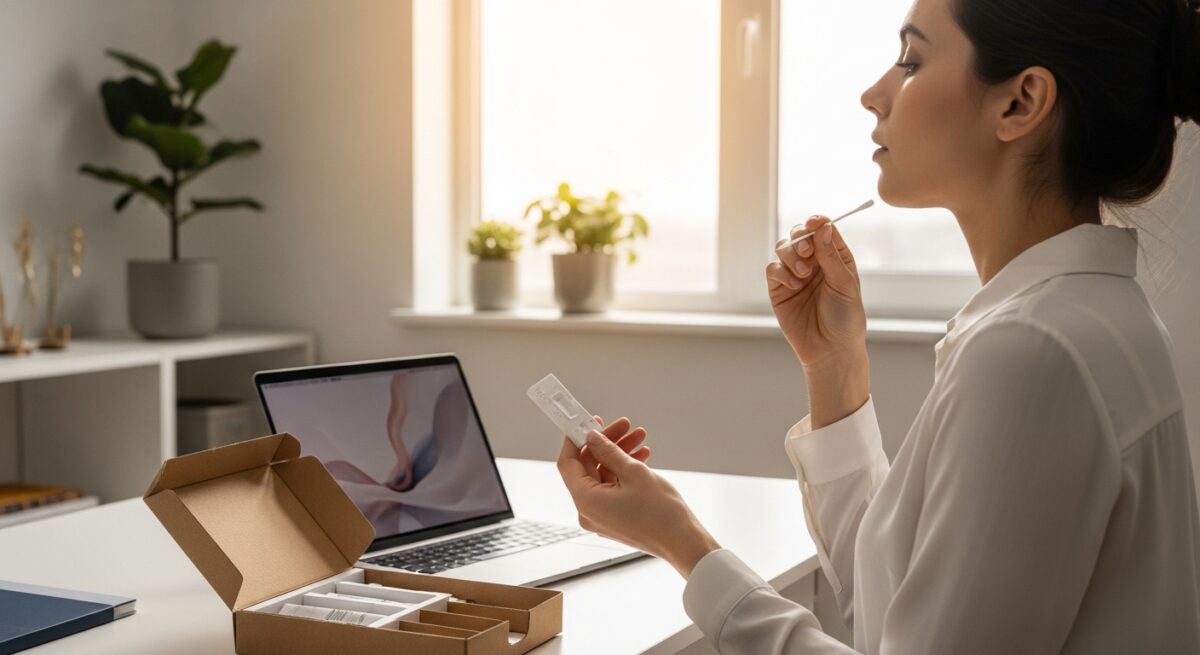
That sudden, sharp pain when you swallow, the fever, and the swollen glands are unmistakable signs of a sore throat. While most are viral and resolve on their own, a significant portion, particularly in children, are caused by Streptococcus pyogenes bacteria, commonly known as strep throat. This bacterial infection requires antibiotics to prevent serious complications like rheumatic fever. Traditionally, diagnosing strep meant a trip to the doctor’s office or urgent care for a throat swab and a potentially long wait. Today, the landscape of diagnostics has evolved, bringing the clinic to your living room. At home strep throat test kits represent a significant advancement in digital healthcare, empowering individuals to take a proactive first step in managing their health from the comfort of home. Understanding how these tests function, their reliability, and their role in a modern healthcare journey is crucial for anyone considering this convenient option.
The Science Behind At Home Strep Throat Testing
At its core, an at home strep throat test operates on the same fundamental principle as the rapid antigen test used in many clinics: immunochromatography. This method detects specific antigens, which are unique proteins on the surface of the Group A Streptococcus (GAS) bacteria. The test kit typically contains a sterile swab, a test device (often a cassette or strip), and a reagent solution. The process begins with you or a caregiver using the swab to collect a sample from the back of the throat and tonsils. It is a precise maneuver, requiring good lighting and a steady hand to ensure an adequate sample is obtained without touching the tongue, cheeks, or teeth, which could contaminate the specimen.
Once the sample is collected, the swab is inserted into the reagent vial, which contains a solution designed to extract any strep antigens from the swab. After mixing for the specified time, a few drops of this solution are then applied to the well on the test device. Capillary action draws the liquid across a membrane containing antibodies that are specifically designed to bind to strep antigens. If these antigens are present in the sample, they form a visible complex at the test line, usually appearing as a colored line within 5 to 10 minutes. A control line always appears to confirm the test device is working properly. The appearance of two lines indicates a positive result for strep antigens, while only the control line suggests a negative result. This entire process mirrors the in-office rapid test, placing diagnostic power directly into the patient’s hands.
Evaluating the Accuracy of Home Strep Tests
The most critical question surrounding any diagnostic tool is its accuracy. For at home strep throat test kits, accuracy is measured by two key metrics: sensitivity and specificity. Sensitivity refers to the test’s ability to correctly identify those who have the disease (true positive rate). Specificity refers to its ability to correctly identify those who do not have the disease (true negative rate). Most FDA-cleared home strep tests report high specificity, often over 95%. This means if the test is negative, it is very likely you do not have strep throat, and your symptoms are probably due to a virus or another cause. High specificity helps prevent the unnecessary use of antibiotics, a cornerstone of responsible antibiotic stewardship.
However, the sensitivity of rapid antigen tests, including many at-home versions, can be lower, sometimes ranging from 86% to 95% compared to the gold-standard throat culture. This means the test could occasionally miss a true strep infection (a false negative). Several factors influence this. User error in sample collection is the most significant variable; an insufficient or improperly taken swab may not capture enough bacterial antigen to trigger a positive result. The timing of the test also matters, as testing too early in the infection may yield a false negative. Furthermore, the bacterial load varies from person to person. Because of this potential for false negatives, a negative result on a home test does not always rule out strep throat, especially if classic symptoms like sudden severe sore throat, fever, and swollen lymph nodes without cough are present. This nuance is why these tests are best used as a screening tool within a broader telehealth framework, not as a definitive standalone diagnosis.
Integrating Home Testing into a Modern Care Pathway
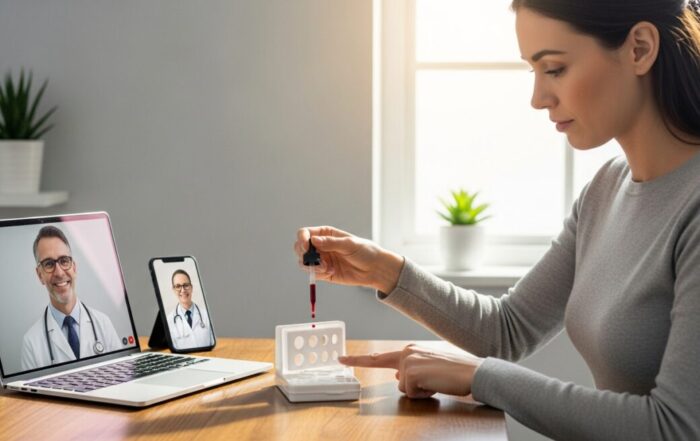
The true value of a strep test at home is realized when it is integrated into a structured digital healthcare pathway. This represents a seamless fusion of home diagnostics and professional medical guidance. The ideal process is not isolated but connected. A person experiences symptoms, uses a certified at-home test kit, and then leverages the result to inform a subsequent telehealth consultation. This integrated approach maximizes convenience while safeguarding clinical rigor. During a virtual visit, a licensed healthcare provider can review your symptoms, discuss the test result (whether positive or negative), and evaluate your overall clinical picture. They can ask about symptom duration, fever, exposure history, and examine your throat visually via video if necessary.
This consult is where the test result transforms into an actionable care plan. If the test is positive and your symptoms align, the provider can electronically prescribe an appropriate antibiotic to a pharmacy of your choice, often within minutes. If the test is negative but symptoms are highly suggestive, the provider may recommend a follow-up in-person throat culture or advise on symptomatic relief for a presumed viral illness. This model, central to platforms like Doctors Home, prevents unnecessary office visits for viral cases and swiftly initiates treatment for bacterial ones. It exemplifies clinical workflow integration, where technology enhances, rather than replaces, professional medical judgment. This pathway is particularly beneficial for parents of school-aged children, busy professionals, or those in areas with limited immediate access to clinics.
Benefits and Important Limitations to Consider
Adopting an at home strep throat test offers a compelling array of benefits that align with the goals of modern, patient-centered healthcare. The most immediate advantage is unparalleled convenience and time savings. It eliminates travel, waiting rooms, and potential exposure to other illnesses. This contributes significantly to healthcare access, especially for individuals with mobility issues, tight schedules, or those living in remote areas. From a public health perspective, it supports antibiotic stewardship by helping to ensure antibiotics are only prescribed when there is a strong indication, thus combating antibiotic resistance. Furthermore, it empowers patients with immediate information, reducing anxiety and enabling faster decision-making about seeking further care.
However, responsible use requires acknowledging the limitations. As discussed, false negatives are possible. These tests are designed specifically for Group A Strep and will not detect other bacterial causes of sore throat or viral infections like mononucleosis. They are also not suitable for everyone. For instance, individuals with a history of rheumatic fever or severe immune compromise should seek direct medical evaluation. Proper technique is non-negotiable for accuracy. Following the manufacturer’s instructions to the letter is critical. It is also vital to understand that a positive test must be interpreted by a healthcare professional who can determine if antibiotics are appropriate for you, considering allergies and other health factors. The test is a tool, not a replacement for a doctor’s diagnosis.
To ensure you get the most accurate result from your throat infection test kit, follow these key steps:
- Read all instructions thoroughly before starting. Prepare your workspace with good lighting and a mirror.
- Use the swab to firmly rub both tonsils (or where they would be) and the back of the throat. Avoid touching the tongue, cheeks, or teeth.
- Follow the exact timing for soaking the swab in the solution and for reading the results. Using a timer is helpful.
- Interpret the results within the specified time window (usually 5-10 minutes). Reading too early or too late can lead to incorrect interpretations.
- Regardless of the result, take a clear photo of the test device next to the instructions for your telehealth provider to review during your consultation.
By adhering to this protocol, you maximize the reliability of the self-administered test and provide your telehealth provider with the best possible information to guide your care.
Frequently Asked Questions
Can I get a prescription based solely on a positive at-home strep test?
Reputable telemedicine services like Doctors Home do not prescribe medications based on a test result alone. A positive at-home test is a strong data point, but a licensed provider will conduct a telehealth consultation to review your symptoms, medical history, and the test result before determining if an antibiotic prescription is appropriate and safe for you.
How does the accuracy of a home test compare to a doctor’s office test?
The test technology is often identical. The primary difference lies in who administers the swab. A clinician has training and experience in obtaining a robust sample. With careful technique, a home user can achieve similar accuracy. The rapid antigen test used at home has the same sensitivity and specificity parameters as the one used in clinics when performed correctly.
What should I do if my home test is negative but my symptoms are severe or worsening?
A negative test does not definitively rule out strep or other infections. You should consult a healthcare provider via telehealth or in person if you have a high fever, difficulty breathing or swallowing, symptoms lasting more than 48 hours, or if you have a weakened immune system. The provider may recommend a backup throat culture or evaluate for other conditions.
Are at-home strep tests covered by insurance or FSA/HSA?
Coverage varies by insurance plan. Many at-home test kits are eligible for purchase with Flexible Spending Account (FSA) or Health Savings Account (HSA) funds, as they are considered medical devices. It’s best to check with your plan administrator or the test retailer for confirmation.
Can I use a home strep test for my young child?
Yes, but extra care is needed. Ensure you can safely and adequately swab your child’s throat. Having a second adult to help gently restrain and comfort the child is advisable. Always follow age recommendations on the kit, and consult a pediatrician or telehealth service familiar with pediatric care for interpretation and next steps, regardless of the result.
The advent of reliable at home strep throat test kits is a tangible example of how digital health technology is making proactive healthcare more accessible and efficient. By demystifying how these tests work and providing a clear-eyed view of their accuracy, patients can make informed choices. These tools are most powerful when used as the initial step in a connected care journey, leading to a professional telehealth consultation. This integrated model, which platforms like Doctors Home specialize in, offers a smart alternative to the traditional clinic visit. It provides timely answers, reduces unnecessary antibiotic use, and delivers expert medical guidance directly to you, blending the convenience of self-testing with the assurance of professional oversight. In an era where managing health on your own terms is increasingly important, understanding and utilizing these resources wisely is a step toward more empowered and effective healthcare.
About the Author: Anthony Collins



Sign up for our newsletter and Save 20% on Test Kits
"*" indicates required fields