
At Home Health Tests: A Complete Guide for Modern Patients
At Home Health Tests: A Complete Guide for Modern Patients
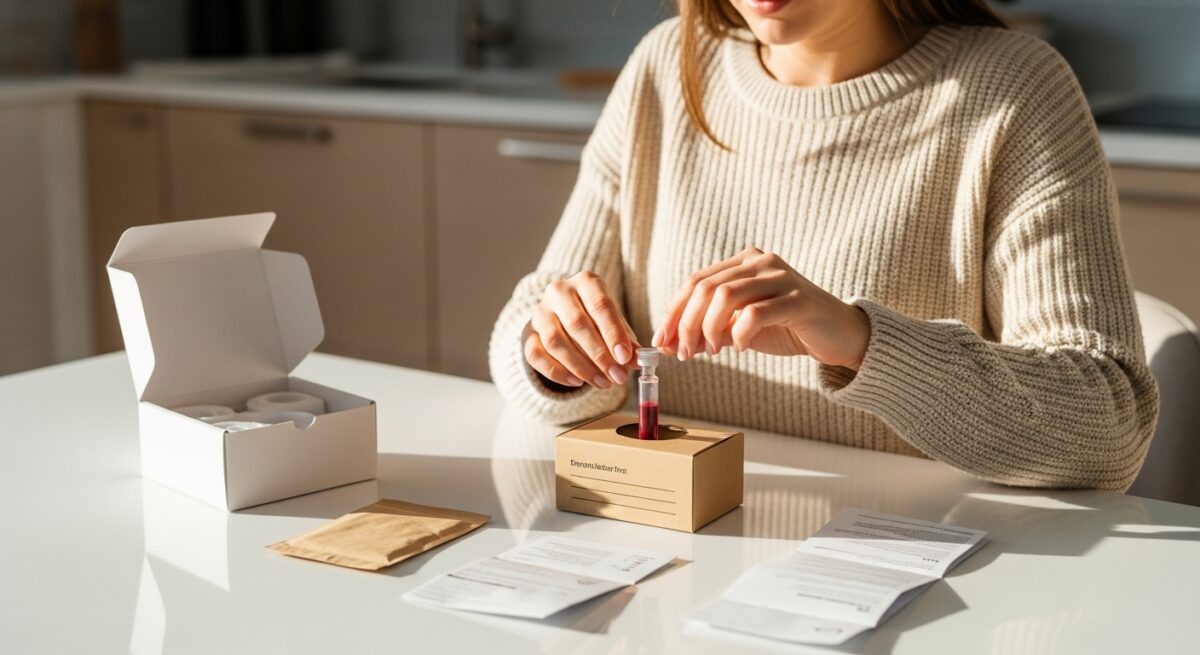
Imagine having the ability to check your cholesterol, screen for infections, or monitor chronic conditions from your kitchen table, with results delivered to your phone. This is the reality of modern at home health tests, a rapidly growing segment of digital healthcare that empowers patients with unprecedented access to personal health data. This complete guide for patients will navigate the expanding world of direct-to-consumer health tests, explaining what they are, how they work, their benefits and limitations, and how to integrate them responsibly into your overall healthcare strategy. For individuals seeking convenience and proactive health management, understanding how to use these tools effectively is essential.
Understanding At Home Health Tests
At home health tests, also known as direct-to-consumer (DTC) lab tests, are kits that allow you to collect a biological sample (such as blood, saliva, urine, or a nasal swab) yourself, without needing to visit a clinic or lab draw station. You then mail the sample to a certified laboratory for analysis. Results are typically delivered via a secure online portal or mobile app, often with varying levels of interpretation and guidance. The range of available tests is vast and continues to grow, moving far beyond simple pregnancy and glucose tests. Today, you can order kits for comprehensive metabolic panels, sexually transmitted infection (STI) screenings, food sensitivity panels, genetic health risk reports, hormone level checks, and even tests for specific vitamin deficiencies.
The fundamental appeal lies in convenience, privacy, and a sense of agency over one’s health. These tests eliminate travel and wait times at traditional labs, which can be a significant barrier for people with busy schedules, mobility issues, or those living in remote areas. They also offer a degree of discretion for testing related to sensitive conditions. However, it is crucial to understand that not all at home health tests are created equal. They vary widely in their scientific validity, clinical utility, and the quality of follow-up care offered. A responsible patient’s guide must therefore distinguish between well-established, CLIA-certified lab tests and less rigorous wellness screenings that may offer more entertainment value than actionable medical insight.
Major Categories of At Home Testing Kits
The market for health tests at home can be broadly divided into several key categories, each serving a different purpose. Recognizing these categories helps you align your testing choice with your specific health goals, whether that’s screening, diagnosis, monitoring, or general wellness.
Diagnostic and Screening Tests
These tests are designed to detect specific diseases, infections, or conditions. They are often similar to tests your doctor would order. Common examples include tests for HIV, chlamydia, gonorrhea, hepatitis C, and COVID-19. Some companies also offer screening for markers associated with heart disease (like ApoB) or diabetes (HbA1c). The reliability of these tests is generally high when they come from reputable labs, but a positive result typically requires confirmation and clinical evaluation by a healthcare provider to formulate a treatment plan. They are a powerful tool for proactive screening but are not a substitute for a doctor’s diagnosis.
Health and Wellness Monitoring
This category focuses on tracking biomarkers related to general health, fitness, and nutrition. Tests might measure vitamin D, B12, magnesium, or iron levels; check cortisol (stress hormone) patterns; or analyze cholesterol and triglyceride panels. For individuals managing diet, exercise regimens, or general well-being, these tests can provide helpful feedback. However, interpreting these results in context is vital. A slightly low vitamin level may not be clinically significant, and trends over time are often more informative than a single data point. This is where integrating test results with professional advice becomes key.
Genetic and DNA Testing
Genetic health tests analyze your DNA to provide information about ancestry, traits, and potential health risks. Some kits report on carrier status for certain inherited conditions (like cystic fibrosis) or genetic predispositions to diseases such as breast cancer or Alzheimer’s. It is imperative to understand the limitations: these tests assess risk, not certainty. A higher genetic predisposition does not mean you will develop the disease, and a lower risk does not guarantee you won’t. The ethical and emotional implications of genetic data are significant, and many experts recommend involving a genetic counselor when interpreting such results.
The Step-by-Step Process: From Ordering to Results
Using an at home health test involves a clear sequence of steps. Knowing what to expect can ensure you get a valid sample and accurate results.
- Selection and Ordering: Choose a test based on a genuine health interest or concern, not just curiosity. Research the company, verify its labs are CLIA-certified/CAP-accredited, and understand what the test actually measures. Reputable platforms, like Doctors Home, connect patients with legitimate tests and follow-up care, ensuring the process is medically sound from start to finish.
- Kit Delivery and Sample Collection: The kit arrives with detailed instructions, collection tools, and a pre-paid return mailer. Follow the instructions meticulously. Common collection methods include a finger-prick blood sample (using a lancet and small card or vial), saliva into a tube, a urine cup, or a gentle nasal or throat swab. Timing can be critical for some tests (e.g., hormone tests at a specific time of day).
- Sample Return and Lab Analysis: Package your sample as directed and mail it promptly. The laboratory, upon receipt, processes the sample using standardized analytical equipment. Turnaround times vary from 24-48 hours for simple tests to several weeks for complex genetic panels.
- Receiving and Interpreting Results: You’ll be notified when results are ready in your secure online account. Reports may show your levels compared to “normal” reference ranges. Some services include brief explanations or even a telehealth consultation with a healthcare professional to discuss the findings. This consultation is a critical component, transforming raw data into actionable understanding.
It’s worth noting that the landscape of remote care is broader than just testing. For a comprehensive look at the full spectrum of services available, our guide on digital health and telehealth services explains how virtual consultations, remote monitoring, and digital prescriptions integrate with at-home testing to form a complete care model.
Critical Advantages and Important Limitations
Adopting at home health tests comes with a set of compelling benefits and non-negotiable cautions. A balanced perspective is necessary for safe and effective use.
The advantages are clear. Convenience and accessibility top the list, breaking down geographical and logistical barriers to care. They promote proactive health management by making screening easier, potentially catching issues early. Privacy is enhanced for stigmatized or sensitive health concerns, encouraging people to test who otherwise might not. Finally, they can foster greater patient engagement and health literacy, as individuals become active participants in tracking their biomarkers.
However, the limitations demand careful consideration. The risk of misinterpretation is high without clinical guidance. A patient may see an abnormal value and assume the worst, causing unnecessary anxiety (a phenomenon sometimes called “cyberchondria”), or they may dismiss a significant result. Not all tests are FDA-cleared or approved; some are labeled as “Laboratory Developed Tests” (LDTs) with varying levels of regulatory oversight. There is also the potential for fragmented care if test results are not shared with your primary care physician, creating a disjointed health record. Furthermore, while insurance sometimes covers these tests if ordered by a doctor, patient-purchased DTC kits are often an out-of-pocket expense.
Integrating At Home Test Results with Your Healthcare
The true value of an at home health test is realized only when its results are integrated into your broader healthcare picture. Data alone is not care; it is the starting point for a informed conversation with a medical professional.
First, share your results with your primary care provider (PCP). Bring a printed copy or provide digital access to your patient portal. Your PCP can interpret the results in the context of your full medical history, current symptoms, medications, and other factors no test can capture. They can determine if a result is clinically significant, order confirmatory testing if needed, and develop or adjust a treatment plan. Second, use the results as a motivational tool, not a verdict. A borderline lipid panel can be a powerful incentive to improve diet and exercise. A vitamin deficiency can be corrected with supplements and dietary changes. Third, consider the timing. Using an at home test to establish a baseline when you’re healthy can be more informative than a one-off test when you feel unwell.
Choosing a service that bridges the gap between testing and treatment is crucial. Platforms that offer seamless access to licensed healthcare professionals for result review and consultation ensure you are not left alone with confusing data. This integrated approach, where testing is coupled with actionable clinical support, represents the safest and most effective model for patient-led health monitoring.
Choosing a Reputable At Home Test Provider
With dozens of companies offering kits, selecting a trustworthy provider is the most important step you can take to ensure quality and safety. Here are the key factors to evaluate.
- Laboratory Certifications: The testing should be performed in a CLIA-certified (Clinical Laboratory Improvement Amendments) laboratory. CAP accreditation is an additional gold standard. This information should be prominently displayed on the company’s website.
- Medical Oversight: The company should employ or have a network of licensed physicians and healthcare professionals who review orders, approve tests that are medically appropriate, and are available to consult on results. Avoid companies that simply sell kits with no clinical oversight.
- Transparency and Education: Clear information on what the test measures, its limitations, the evidence behind it, and detailed instructions should be provided. Reports should be easy to understand but also scientifically detailed.
- Privacy and Data Security: Review the company’s privacy policy rigorously. Understand how your sensitive health and genetic data will be used, stored, and protected. Reputable companies will never sell your personal health data.
- Follow-up Care Integration: The best providers don’t just give you a number. They offer a clear pathway to next steps, whether that’s a telehealth consultation, a downloadable report for your doctor, or guidance on when to seek immediate care.
Frequently Asked Questions (FAQs)
Are at home health test results as accurate as lab tests ordered by my doctor?
When the test is processed in a CLIA-certified/CAP-accredited lab, the analytical accuracy is typically equivalent. The main variable is sample collection. If you follow instructions carefully, the results are reliable. However, clinical interpretation by your doctor, who knows your full history, is what makes a test result truly meaningful.
Will my health insurance cover the cost of an at home test kit?
Generally, no, if you purchase it directly as a consumer. Insurance usually covers lab tests when they are medically necessary and ordered by a physician. Some telemedicine platforms that include a clinician’s order as part of the service may facilitate insurance billing, but you should always check with the provider and your insurer first.
What should I do if my at home test results are abnormal?
Do not panic. First, schedule a consultation with the healthcare professional associated with the testing service or, preferably, with your own primary care physician. An “abnormal” flag often requires clinical context. Your doctor may recommend a repeat test via a traditional blood draw to confirm the finding before making any treatment decisions.
How often should I take at home health tests?
There is no one-size-fits-all answer. It depends on the test and your health status. For screening tests (like STI panels or cholesterol), follow the general guidelines for your age and risk factors. For monitoring a known condition (like thyroid levels), follow the schedule your doctor recommends. Testing too frequently without cause can lead to confusion over normal biological variations.
Are there any risks to taking genetic health tests at home?
The physical risk is minimal. The primary risks are psychological (anxiety from risk information), privacy-related (how your genetic data is stored and used), and the potential for false reassurance. Always use a company with a strong privacy policy and consider speaking with a genetic counselor about significant findings.
At home health tests represent a significant shift toward patient-centered, accessible healthcare. They are powerful tools for screening, monitoring, and fostering engagement when used wisely and integrated with professional medical guidance. This complete guide for patients underscores that the goal is not to replace the doctor-patient relationship, but to enhance it with convenient, data-driven insights. By choosing reputable providers, understanding the limits of the data, and proactively sharing results with your healthcare team, you can safely harness the convenience of modern at home health tests to take a more active and informed role in managing your well-being.
About the Author: Anthony Collins



Sign up for our newsletter and Save 20% on Test Kits
"*" indicates required fields