

At Home Food Allergy Tests: A Complete Guide to Accuracy and Use
At Home Food Allergy Tests: A Complete Guide to Accuracy and Use
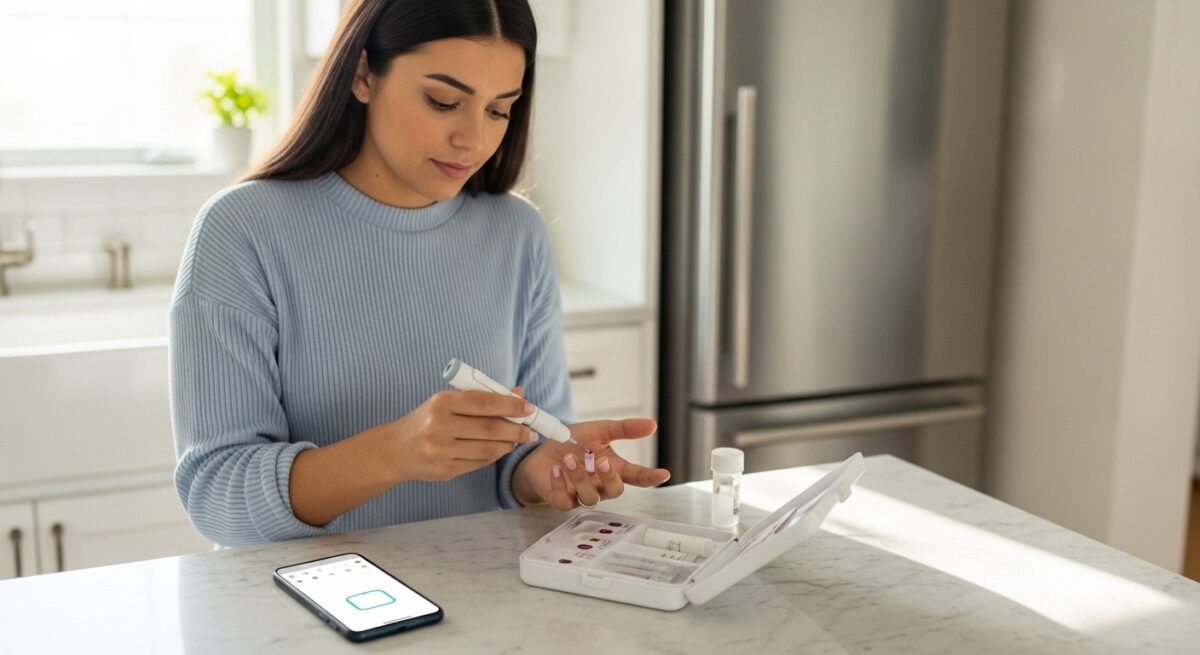
You suspect a certain food is causing you discomfort, maybe even distress. The idea of figuring it out from the comfort of your kitchen is appealing, and the market is filled with options promising answers. At home food allergy tests have surged in popularity, offering a seemingly simple path to clarity. But before you prick your finger or mail off a saliva sample, it’s crucial to understand what these tests can and cannot do, how they differ from medical diagnosis, and the safest path to managing your health. This guide will walk you through everything you need to know about at home food allergy testing, separating fact from marketing fiction and explaining how to integrate these tools responsibly into your healthcare journey.
Understanding What At Home Tests Actually Measure
The first, and most critical, piece of knowledge is the distinction between a food allergy and a food intolerance or sensitivity. This is where many at home tests create confusion. A true food allergy involves the immune system’s IgE antibodies. When someone with a peanut allergy, for example, consumes peanuts, their body mistakenly identifies peanut proteins as a threat and launches an immune response. This can cause symptoms ranging from hives and swelling to anaphylaxis, a life-threatening reaction. Diagnosis of an IgE-mediated allergy is a serious medical matter.
In contrast, a food intolerance, such as lactose intolerance, typically involves the digestive system’s inability to properly process a food, often due to enzyme deficiencies. Symptoms like bloating, gas, or diarrhea are common but not immune-driven. Many direct-to-consumer tests on the market do not measure IgE. Instead, they often measure IgG antibodies. The important context here is that the presence of IgG antibodies to a food is not recognized by leading allergists and immunology societies as a diagnostic marker for a true allergy. In fact, IgG may indicate exposure or even tolerance to a food, not an adverse reaction. Relying on an IgG-based test to eliminate foods can lead to unnecessary, restrictive diets and nutritional deficiencies.
Types of At Home Food Allergy Tests Available
The landscape of at home testing kits is diverse, with varying methodologies and scientific backing. Understanding the different types is key to making an informed choice.
One common category is the finger-prick blood test. These kits provide a lancet to prick your finger, collect a few drops of blood on a provided card, which you then mail to a lab. Some of these tests analyze IgE for a panel of common allergens (like milk, egg, peanut, shellfish), which is closer to the testing a doctor might order, though the interpretation still requires clinical correlation. Many more analyze IgG panels for dozens or even hundreds of foods. Another popular type is the saliva test, which typically looks for IgG antibodies or sometimes genetic markers related to gluten processing (often marketed as a celiac disease risk test, not a diagnostic tool). Hair sample tests also exist, claiming to detect intolerances, but these have no scientific validity for allergy or intolerance diagnosis and are widely criticized by medical professionals.
It is also worth noting the rise of specific tests like the gluten allergy test at home. These are often designed for individuals suspecting celiac disease or non-celiac gluten sensitivity. A legitimate at home test for celiac disease would screen for specific antibodies (tTG-IgA) in the blood, which is a first-line screening tool used in clinics. However, a crucial point: diagnosis of celiac disease requires a confirmatory endoscopic biopsy. A positive at home screening test must always be followed up with a gastroenterologist. No at home test can definitively diagnose celiac disease.
The Critical Limitations and Risks of Self-Testing
While the convenience is undeniable, proceeding without awareness of the limitations carries significant risks. The foremost risk is misdiagnosis. A false positive result (the test says you’re allergic when you’re not) can lead you to unnecessarily eliminate nutritious foods from your diet. Conversely, a false negative (the test says you’re not allergic when you are) is dangerously misleading and could lead you to consume a food that causes a severe reaction. This is particularly perilous for life-threatening IgE-mediated allergies.
Another major limitation is the lack of clinical context. A test result is just a data point. A physician, especially an allergist, combines test results with a detailed medical history, a physical exam, and sometimes supervised oral food challenges (the gold standard for diagnosis). They understand that a positive IgE test to a food you regularly eat without symptoms likely indicates sensitization, not a clinical allergy. An at home test cannot provide this nuanced interpretation. Furthermore, many test companies use their own proprietary reference ranges, making it difficult to compare results or understand their clinical significance. The absence of regulatory oversight for laboratory-developed tests (LDTs) used by many direct-to-consumer companies adds another layer of uncertainty regarding their accuracy and reproducibility.
A Safe and Effective Framework for Using At Home Tests
This does not mean at home food allergy tests have no place. Used thoughtfully, they can be a catalyst for a more informed conversation with a healthcare provider. The key is to view them as a potential screening or information-gathering tool, not a diagnostic endpoint. Here is a responsible step-by-step framework for considering and using an at home test.
- Identify Your Goal and Symptoms: Before purchasing, clearly document your symptoms, their timing in relation to food, and the specific foods you suspect. This log will be invaluable later.
- Research the Test Methodology: Look beyond marketing claims. What does the test actually measure (IgE, IgG, etc.)? Is the testing laboratory CLIA-certified? Does the company employ board-certified allergists or medical doctors to review results?
- Choose a Reputable Provider: Opt for tests associated with established healthcare or telemedicine platforms, like Doctors Home, which connect testing to licensed medical professionals who can provide context and follow-up care.
- Use Results as a Conversation Starter: Take your results to your primary care doctor or a specialist. Say, “I used this at home food allergy test, and it showed X. Here are my symptoms. What do you think this means, and what should we do next?”
- Never Self-Diagnose or Eliminate Major Food Groups: Do not make drastic dietary changes based solely on an at home test. Work with a doctor and potentially a registered dietitian to ensure any elimination diet is safe, nutritionally adequate, and necessary.
This framework turns a potentially risky purchase into a proactive step in your healthcare. It emphasizes partnership with professionals, which is the cornerstone of safe and effective management of any suspected food-related issue.
The Superior Alternative: Telemedicine and Professional Guidance
For those seeking convenience without compromising medical rigor, integrated telemedicine platforms offer a powerful solution. Services like Doctors Home bridge the gap between accessible at home testing and professional medical oversight. Here is how a responsible, patient-centered model works: instead of buying a test kit from an anonymous online retailer, you can access a testing kit through a platform that includes a consultation with a licensed healthcare provider. The provider can help determine if testing is appropriate based on your history, order a clinically relevant test (such as a specific IgE panel rather than a broad, unproven IgG panel), and, most importantly, interpret the results for you in the context of your health.
This model mitigates the primary risks of standalone at home food allergy tests. The provider ensures the test has analytical validity, provides the clinical context for interpretation, and creates a clear action plan, which may include dietary advice, medication, or referral to a specialist. For someone considering a gluten allergy test at home, for instance, a telemedicine provider can order the appropriate celiac disease screening serology, explain the results, and guide you through the necessary steps for a definitive diagnosis with a gastroenterologist if needed. This integrated approach leverages the convenience of at home testing while anchoring the process in evidence-based medicine, ensuring your safety and health remain the top priority.
Frequently Asked Questions
Are at home food allergy tests accurate?
Accuracy varies widely by test type and manufacturer. Tests measuring IgE for specific foods can be analytically accurate in detecting antibody levels, but clinical accuracy (diagnosing a true allergy) requires a doctor’s interpretation. Tests based on IgG or hair analysis are not considered accurate for diagnosing food allergies or intolerances by mainstream medicine.
Can an at home test diagnose celiac disease?
No. An at home test may screen for antibodies associated with celiac disease, but it cannot diagnose it. A diagnosis of celiac disease requires a confirmatory intestinal biopsy ordered and interpreted by a gastroenterologist.
What is the most reliable way to diagnose a food allergy?
The gold standard is a comprehensive evaluation by an allergist, including a detailed history, possibly skin prick testing or specific IgE blood tests, and often an oral food challenge conducted under medical supervision.
I got a positive result for many foods on an at home test. Should I avoid them all?
Absolutely not without consulting a doctor. As discussed, especially with IgG tests, positive results are common and not diagnostic of an allergy. Eliminating multiple foods can be harmful. Review the results with a physician or dietitian.
How can telemedicine services like Doctors Home help with food allergy testing?
They provide a medically supervised pathway. A licensed provider can assess your need for testing, order a clinically appropriate test, explain your results in the context of your symptoms, and recommend a safe, personalized management plan, all remotely.
Navigating the world of at home food allergy tests requires a healthy dose of skepticism and a commitment to partnering with healthcare professionals. These tests can offer insights and convenience, but they are merely one piece of a much larger puzzle. Your health deserves a comprehensive approach that prioritizes safety and accurate diagnosis. By using these tools as a starting point for a conversation with a licensed provider, perhaps through an integrated telemedicine platform, you can find real answers and a path to feeling better, confidently and safely.
About the Author: Jessica Martinez




Sign up for our newsletter and Save 20% on Test Kits
"*" indicates required fields