
At Home DNA Tests: What They Show and How They Work
At Home DNA Tests: What They Show and How They Work
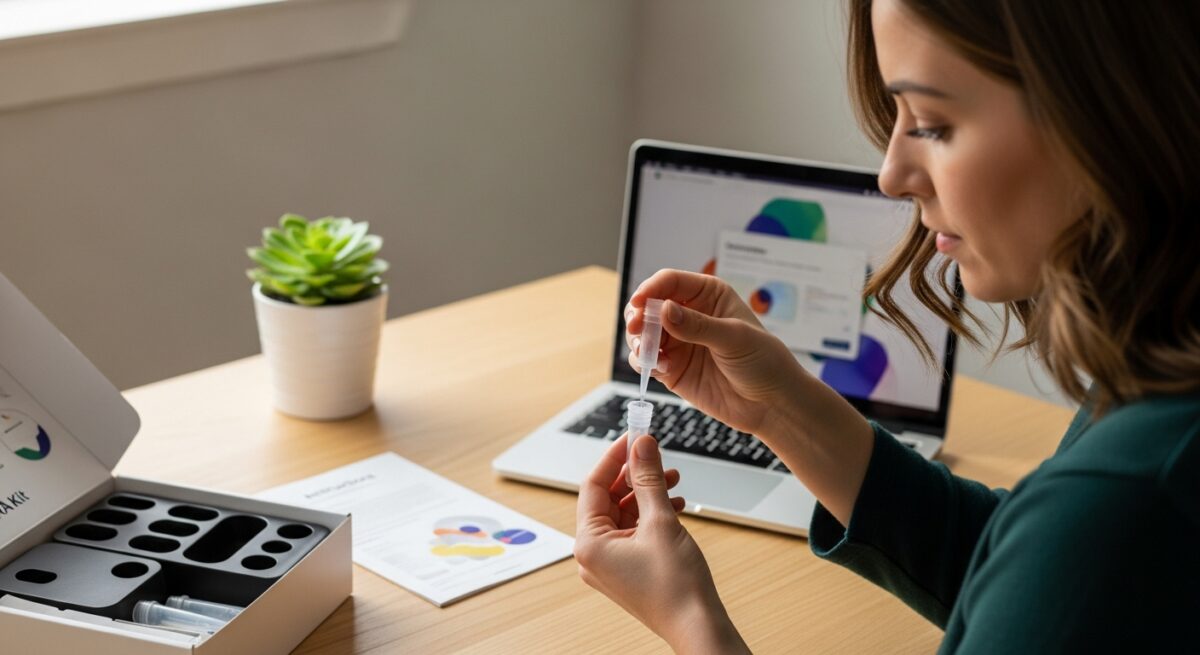
You hold a small tube in your hand, a simple tool that promises to unlock the deepest secrets of your biological identity. At home DNA test kits have moved from science fiction to a mainstream reality, offering unprecedented access to personal genetic information. These direct-to-consumer tests provide a fascinating window into ancestry, health predispositions, and even family connections, all from the comfort of your living room. But what exactly happens after you swab your cheek or spit into a tube? How does that sample transform into a detailed report about who you are and where you come from? This guide demystifies the entire process, from the science behind the analysis to the practical insights you can gain, empowering you to understand the capabilities and limitations of modern genetic testing.
The Science Behind the Swab: How At Home DNA Analysis Works
The journey of an at home DNA test begins with a simple collection kit. Most companies use one of two primary methods: a buccal (cheek) swab or a saliva collection tube. The goal is to collect cells from your body that contain your complete DNA blueprint. Once you’ve completed the collection, you seal the sample in a provided container and mail it back to the company’s certified laboratory in a prepaid package. This is where the complex science begins. At the lab, technicians extract the DNA from your cells, a process that isolates the genetic material from other cellular components.
The extracted DNA is then prepared for analysis using a technology called genotyping. This process does not sequence your entire genome, which would be incredibly costly and time-consuming. Instead, it examines specific, predetermined points on your DNA known as Single Nucleotide Polymorphisms, or SNPs. These are locations where a single building block of DNA (a nucleotide) can differ from person to person. The testing chip is designed to read hundreds of thousands, or even millions, of these SNP markers. Your unique pattern of SNPs is then compared against vast reference databases. These databases contain genetic information from populations around the world and from individuals with known health conditions or traits. Through sophisticated algorithms and statistical modeling, the company generates your personalized reports on ancestry, health, and wellness.
Decoding Your Results: What an At Home DNA Test Can Reveal
The reports generated from your home dna analysis can be broadly categorized into three main areas: ancestry and genealogy, health and wellness predispositions, and trait analysis. Each category offers a different type of insight, with varying levels of scientific certainty and personal utility.
Ancestry composition is often the most popular feature. By comparing your SNP data to reference panels from global populations, the test estimates the geographic regions your ancestors likely came from, often breaking it down by percentage. Many services also include a DNA relative matching feature, which identifies other users in their database who share significant segments of DNA with you, suggesting a familial relationship. This can reveal close relatives like cousins or, in some cases, connect adoptees with biological family.
Health and wellness reports are a more complex offering. These sections analyze SNPs associated with certain genetic predispositions. It is critical to understand that these tests screen for predispositions and carrier status, not diagnoses. For example, a test might indicate you have a slightly elevated genetic risk for developing celiac disease or a higher likelihood of metabolizing caffeine slowly. It may also tell you if you carry a genetic variant for conditions like cystic fibrosis or sickle cell anemia, which is important information for family planning. These reports are intended for informational and discussion purposes only and should always be reviewed with a healthcare professional who can provide context and recommend any necessary clinical follow-up. This is where telemedicine services like Doctors Home become invaluable, as they provide convenient access to licensed professionals who can help interpret these results within the broader context of your personal and family health history.
Understanding the Limitations and Ethical Considerations
While at home dna testing kits offer remarkable insights, they are not a crystal ball. Acknowledging their limitations is crucial for setting realistic expectations. First, the ancestry estimates are just that, estimates. They are based on current scientific knowledge and reference populations, which are continually improving but not exhaustive. Your reported ethnicity percentages can change slightly as companies update their algorithms and databases. Second, the health reports are probabilistic, not deterministic. Having a genetic variant associated with a higher risk does not mean you will develop the condition, as lifestyle, environment, and other genetic factors play massive roles. Conversely, not having a known risk marker does not guarantee you won’t develop a disease.
Privacy is a paramount concern. Before purchasing a test, you must thoroughly review the company’s privacy policy. Understand what happens to your genetic data: how it is stored, who it might be shared with (e.g., for research purposes), and your options for deleting it. Consider the potential for unexpected discoveries, such as uncovering misattributed parentage or unknown close relatives. Being mentally prepared for such possibilities is an important part of the testing process.
The Step-by-Step Process: From Ordering to Understanding
Engaging with an at home DNA test is a multi-step journey that extends beyond the initial swab. Here is a typical sequence of events from start to finish.
- Ordering and Registration: You order a kit online and it arrives at your home. Before providing your sample, you must register the kit’s unique barcode online, linking it to your account. This step is essential for ensuring your sample is correctly identified.
- Sample Collection: Follow the instructions precisely. For a saliva test, this usually means not eating, drinking, or smoking for 30 minutes prior. For a swab, it involves vigorously rubbing the inside of your cheek. Improper collection can lead to sample failure and delays.
- Mailing and Lab Processing: Place the sample in the stabilizer solution, seal it in the return bag, and mail it. Lab processing typically takes 4 to 8 weeks. The DNA is extracted, amplified, and placed on a genotyping chip for analysis.
- Result Generation and Notification: Once analysis is complete, the company’s algorithms generate your reports. You receive an email notification that your results are ready to view in your secure online portal.
- Interpretation and Next Steps: This is the most important phase. Review your reports carefully. For health-related findings, consider discussing them with a doctor. Telemedicine platforms offer a streamlined way to consult a healthcare provider who can help you understand the clinical relevance, if any, of your genetic information and recommend appropriate actions, which may include confirmatory clinical testing or lifestyle adjustments.
It’s worth noting that the landscape of at-home health testing is broader than just genetics. For a comprehensive look at another popular category, our guide on at-home blood test kits explains how they function and what they screen for, offering another layer of personal health insight.
Frequently Asked Questions About At Home DNA Tests
Are at home DNA test results accurate?
The genotyping technology used is highly accurate for reading the specific SNPs it targets. However, the interpretation of that data, especially for ancestry estimates and health predispositions, is based on statistical models and current science, which has limitations. They are a reliable source of genetic information but not an infallible medical diagnostic tool.
Can my DNA data be used against me for health insurance?
In the United States, the Genetic Information Nondiscrimination Act (GINA) prohibits health insurers and most employers from discriminating based on genetic information. However, GINA does not cover life insurance, disability insurance, or long-term care insurance. It is vital to read the testing company’s privacy policy to understand how your data is protected and used.
What is the difference between ancestry-only and health + ancestry tests?
Ancestry-only tests analyze SNPs relevant to geographic origins and family matching. Health + ancestry tests analyze a broader set of SNPs, including those linked to certain health predispositions, carrier status for hereditary conditions, and wellness traits like sleep or nutrition. The health tests require more rigorous scientific validation and regulatory compliance.
How long does it take to get results?
The total timeline, from mailing your kit to receiving results, is typically 6 to 8 weeks. The lab processing stage is the longest part, often taking 4 to 6 weeks depending on the company’s volume.
Should I take action based on my health results?
Do not make significant medical decisions based solely on a direct-to-consumer DNA test result. Any concerning finding, especially related to hereditary disease risk or carrier status, should be discussed with a healthcare professional. They can evaluate the result in the context of your personal and family history and may recommend a confirmatory test through a clinical laboratory.
At home DNA tests are a powerful tool for curiosity-driven discovery and personal awareness. They offer a unique narrative about your past and probabilistic clues about your future health. The true value of this information is unlocked not in isolation, but when integrated into a broader conversation about your wellbeing. By combining the data from your home dna analysis with professional medical guidance, you can move from simple curiosity to informed, proactive health management. The journey from a small saliva sample to a deeper understanding of yourself is a profound example of modern science meeting personal empowerment, all facilitated from the comfort of your home.
About the Author: Sarah Thompson




Sign up for our newsletter and Save 20% on Test Kits
"*" indicates required fields