
At Home Diagnostic Test Kits: A Complete Patient Guide
At Home Diagnostic Test Kits: A Complete Patient Guide

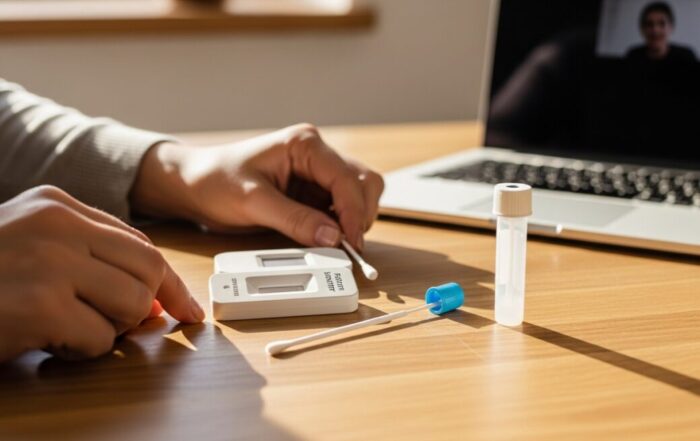
Imagine knowing your cholesterol levels, checking for a vitamin deficiency, or screening for a common infection without leaving your living room. This is the reality offered by the rapidly expanding world of at home diagnostic test kits. For patients seeking greater control, convenience, and insight into their health, these direct-to-consumer tools represent a significant shift in personal healthcare. However, navigating this new landscape requires understanding what these kits can and cannot do, how to use them correctly, and how to integrate the results into a comprehensive care plan. This guide is designed to empower you with that knowledge, transforming you from a passive patient into an informed participant in your own health journey.
Understanding the Types of At Home Diagnostic Tests
The market for at home lab test kits is diverse, catering to a wide range of health interests and concerns. Broadly, these tests fall into several key categories, each with different purposes, methodologies, and levels of clinical significance. It is crucial to understand these distinctions before selecting a test.
First, there are wellness and lifestyle tests. These are among the most popular and include kits that measure biomarkers like vitamin D, B12, iron, cortisol (stress hormone), and cholesterol panels. They are often used by individuals looking to optimize their diet, fitness, or general well-being. Second, there are screening tests for specific conditions. Examples include tests for sexually transmitted infections (STIs), urinary tract infections (UTIs), colon cancer screening (FIT tests), and even certain genetic risk markers. These are designed to provide early detection, though positive results typically require confirmation through a traditional healthcare provider. Third, there are monitoring tests for chronic conditions. While less common as direct-to-consumer products, some kits allow for monitoring of indicators like HbA1c for diabetes or INR for those on blood thinners, though these should always be used under a doctor’s supervision.
How to Choose the Right Test Kit for You
With hundreds of options available, selecting the right at home diagnostic test can feel overwhelming. A thoughtful, step-by-step approach will help you make a safe and useful choice. Your decision should be guided by your personal health goals, the credibility of the test, and a clear plan for what to do with the results.
Start by defining your “why.” Are you curious about a general wellness metric, following up on a specific symptom, or seeking peace of mind through screening? Your goal will narrow the field significantly. Next, research the test’s validity and the company behind it. Look for kits that are CLIA-certified, meaning the laboratory analyzing your sample meets federal quality standards. Check if the test is FDA-authorized, cleared, or approved, which indicates a higher level of regulatory scrutiny, especially for tests that diagnose conditions. Read the fine print on methodology: some tests require a finger-prick blood sample, others use saliva or urine, and some, known as “self-collection” kits, have you collect a sample (like a vaginal swab or stool sample) that you then mail to a lab for professional analysis.
Consider the following key factors before purchasing any at home diagnostic test kit:
- Clinical Relevance: Does the test measure something actionable? Will the result lead to a meaningful change in your behavior or treatment?
- Accuracy and Reliability: Look for data on the test’s sensitivity and specificity. Reputable companies will publish this information.
- Post-Test Support: Does the company offer a consultation with a healthcare professional to explain your results? This is a critical component of safe testing.
- Cost and Insurance: Most at home tests are not covered by insurance. Understand the full cost, including any potential follow-up consultations.
- Privacy and Data Security: Review the company’s privacy policy to understand how your sensitive health data will be stored and used.
Platforms like Doctors Home integrate this process seamlessly by providing access to reputable at-home testing kits alongside the essential telemedicine support to interpret results, a model that aligns with comprehensive digital healthcare.
The Step-by-Step Process: From Ordering to Results
Once you’ve selected a test, knowing what to expect can alleviate anxiety and ensure you get an accurate result. The journey typically follows a standardized process, though details may vary by company and test type.
The first step is ordering and receiving the kit. After your online purchase, the kit is shipped directly to your home with all necessary components: collection devices, detailed instructions, a biohazard bag, and a pre-paid return shipping label. The second, and most critical, step is sample collection. It is imperative to follow the instructions meticulously. This may involve timing (e.g., first-morning urine), preparation (fasting for a lipid panel), or specific collection techniques to avoid contamination. Any deviation can compromise the result. After collection, you securely package the sample and mail it back to the designated laboratory using the provided materials.
The laboratory then processes your sample. For CLIA-certified labs, this involves the same technologies used by hospital and doctor’s office labs. Once analysis is complete, you are notified that your results are ready, usually via a secure online portal or mobile app. This leads to the final and most important phase: understanding your results. A good report will not only show your numbers but also provide reference ranges and plain-language explanations. However, data alone is not diagnosis. This is where the integration with clinical guidance becomes non-negotiable. A numeric result outside the “normal” range can be due to many factors, and its clinical significance must be interpreted in the context of your full health picture by a qualified professional.
Interpreting Results and Next Steps
Receiving your results can evoke a range of emotions, from relief to concern. Proper interpretation is the bridge between raw data and actionable health intelligence. It is vital to approach your results with a balanced perspective, avoiding both panic and complacency.
First, review the report carefully. Most reports will flag results that are outside the standard reference range, often with terms like “high,” “low,” or “abnormal.” Remember that “abnormal” is not synonymous with “diseased.” Many factors can cause a temporary fluctuation, including recent diet, exercise, stress, or even the time of day. Your age, sex, and ethnicity can also influence reference ranges. Do not make drastic lifestyle changes or self-diagnose based solely on this single data point. The essential next step is to share these results with a healthcare provider. They can correlate your at-home test findings with your medical history, symptoms, and potentially other tests to form a complete clinical picture. This step transforms isolated data into a powerful tool for personalized care. For instance, a slightly elevated cholesterol reading from an at-home test might lead your doctor to order a more comprehensive lipid panel and then co-create a management plan with you.
Benefits, Limitations, and Important Cautions
At home diagnostic tests offer transformative benefits but also come with inherent limitations that patients must acknowledge to use them safely and effectively.
The benefits are compelling. Convenience and accessibility top the list, breaking down geographical and scheduling barriers to basic health information. They promote proactive health engagement, allowing individuals to check indicators before symptoms arise. For some, the privacy and discretion offered, particularly for sensitive tests like STI screenings, encourage testing that might otherwise be avoided. These tests can also facilitate more productive conversations with healthcare providers, as you arrive at appointments with specific data in hand.
However, the limitations are serious. There is a significant risk of misinterpretation without clinical guidance, potentially leading to unnecessary anxiety or false reassurance. Test accuracy, while generally good, is not infallible; false positives and false negatives can occur. These tests provide a snapshot of a single moment in time and do not capture the dynamic nature of your health. Crucially, they are not a substitute for a doctor’s visit, physical exam, or professional diagnosis. A major caution is against using these tests for diagnosing acute symptoms. If you are experiencing chest pain, severe abdominal pain, high fever, or any other urgent symptom, you must seek immediate in-person medical care, not an at-home test kit.
Integrating At Home Testing into Your Overall Healthcare
The true value of at home diagnostic tests is realized not when they replace traditional care, but when they are thoughtfully integrated into it. Think of them as one tool in a larger toolbox, a way to gather data points between regular check-ups.
To integrate them effectively, maintain an open dialogue with your primary care physician. Inform them that you are using these tools and share the results. They can help you determine which tests might be useful and which are redundant or unnecessary. Use the tests to track trends over time, not just single results. For example, monitoring your vitamin D levels seasonally can be more informative than a one-time check. Furthermore, platforms that combine testing with telemedicine, like Doctors Home, create a built-in integration pathway. You can take a test, receive the results on a secure platform, and then promptly discuss them with a licensed professional who can provide context, order confirmatory tests if needed, and recommend next steps, all within a single ecosystem. This model, as detailed in resources like our guide on at-home health tests for modern patients, effectively bridges the gap between self-collected data and professional medical advice.
Frequently Asked Questions (FAQs)
Are at home test kits as accurate as lab tests done at a doctor’s office?
Many reputable at-home kits use the same CLIA-certified laboratories and methodologies as traditional labs, so the analysis itself can be equally accurate. The variable is the sample collection. If you follow the instructions perfectly, accuracy can be comparable. Self-collection errors are the primary cause of inaccurate results.
Will my health insurance pay for an at home diagnostic test?
Typically, no. Most direct-to-consumer health kits are considered elective and are not covered by insurance. Some companies may accept HSA or FSA funds. It is always best to check with your insurer and the test company beforehand.
What should I do if my test result is abnormal or concerning?
Do not panic. The first step is to consult with a healthcare professional. Share your results with your primary care doctor or use a telemedicine service connected to the testing platform. They will help interpret the result in context and may recommend confirmatory testing or a specific course of action.
How is my privacy protected when I use these kits?
Reputable companies are bound by HIPAA regulations, just like your doctor’s office. Before purchasing, review the company’s privacy policy to understand how your personal health information and genetic data (if applicable) will be stored, used, and protected. Ensure they do not sell your data without explicit consent.
Can I use an at-home test to get a prescription?
In some cases, yes, but not directly. The test result itself is not a prescription. However, many telemedicine platforms that offer testing, like Doctors Home, use the results as part of a virtual consultation. A licensed provider reviewing your results and your health history may determine that a prescription is appropriate and can issue one electronically if deemed medically necessary.
At home diagnostic test kits are powerful instruments for modern health empowerment, placing unprecedented access to personal health data directly into your hands. Their responsible use hinges on selecting validated tests, following procedures meticulously, and, most importantly, partnering the results with professional medical insight. By understanding both the potential and the pitfalls, you can leverage these tools to foster more informed, proactive, and collaborative dialogues with your healthcare team, ultimately steering your health journey with greater confidence and clarity.
About the Author: Laura Simmons




Sign up for our newsletter and Save 20% on Test Kits
"*" indicates required fields