

At Home Diabetes Test Kits: Convenient Monitoring Explained
At Home Diabetes Test Kits: Convenient Monitoring Explained
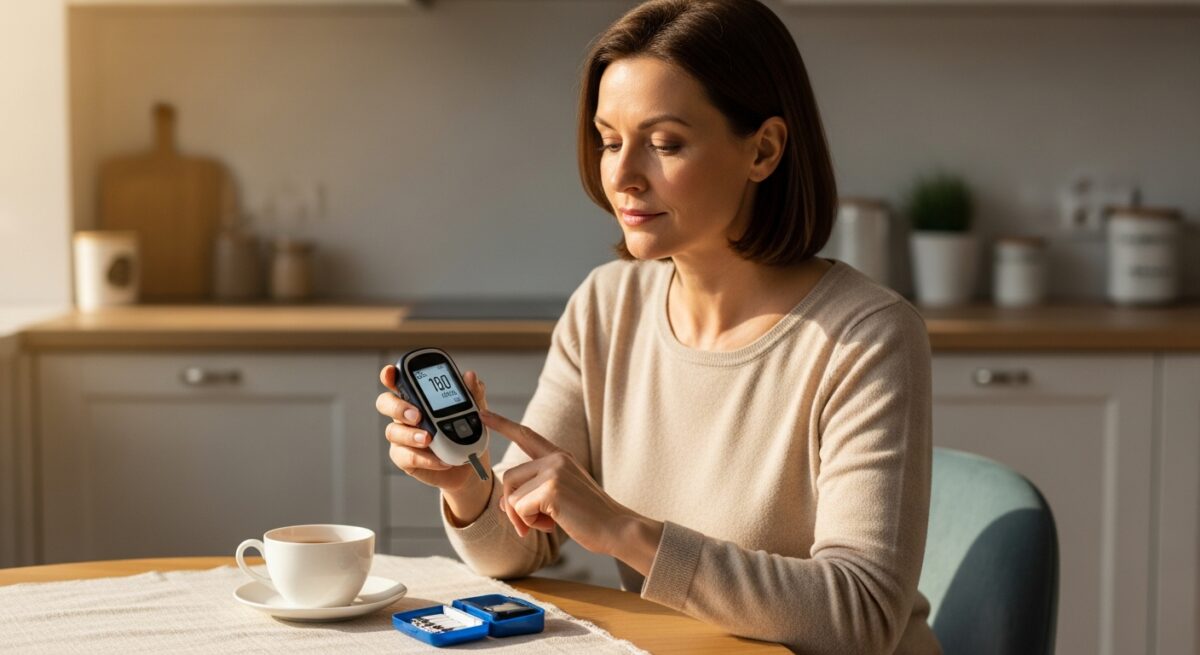
Managing diabetes effectively requires consistent, reliable data about your blood sugar levels. For millions of Americans, this has traditionally meant frequent trips to a lab or clinic for blood draws, a process that can be time-consuming, inconvenient, and sometimes anxiety-inducing. The rise of at-home diabetes test kits represents a significant shift in personal healthcare, empowering individuals to take a more active and convenient role in monitoring their metabolic health. These kits, which range from simple finger-prick glucose meters to comprehensive laboratory-analyzed panels, offer a bridge between occasional doctor visits and daily self-management. They provide the critical information needed to make informed decisions about diet, medication, and lifestyle, all from the comfort and privacy of one’s own home. This accessibility is transforming diabetes care from a reactive to a proactive endeavor, enabling earlier intervention and better long-term outcomes.
Understanding the Types of At Home Diabetes Tests
The term “at home diabetes test kit” encompasses several distinct types of tests, each serving a different purpose in the spectrum of diabetes care and prevention. It is crucial to understand these differences to select the right tool for your specific needs. The most common and immediate tool is the blood glucose meter, designed for daily or multiple-times-daily use. This device requires a small drop of blood, typically obtained from a fingertip via a lancet, and provides a reading of your current blood sugar level in seconds. This real-time data is indispensable for managing insulin doses, understanding food impacts, and preventing acute highs (hyperglycemia) or dangerous lows (hypoglycemia).
Beyond daily monitoring, another category of at home diabetes test kit includes mail-in laboratory tests. These kits allow you to collect a blood sample via a finger-prick or, in some cases, a venous blood draw collection kit you can use at home or have done at a local partner lab. You then mail the sample to a certified laboratory for analysis. These tests often measure Hemoglobin A1c (HbA1c), which provides an average of your blood sugar levels over the past two to three months. This is a key metric for assessing long-term glucose control and the effectiveness of your overall management plan. Some comprehensive panels may also include tests for related markers like fasting insulin or C-peptide, offering a broader view of your metabolic health. For a deeper look at how at-home lab testing works for other conditions, our guide on kidney health home test kits explains the process and benefits in detail.
Who Can Benefit from Home Diabetes Testing?
The utility of at home diabetes test kits extends across a wide population, not just those with a confirmed diagnosis. For individuals diagnosed with Type 1, Type 2, or gestational diabetes, these kits are non-negotiable tools for daily management. They provide the feedback loop necessary to adjust food intake, physical activity, and medication. For those in a prediabetes stage, identified by elevated but not yet diabetic blood sugar levels, home testing can be a powerful motivational and educational tool. Seeing direct, tangible results of dietary changes can reinforce positive lifestyle modifications aimed at preventing progression to full Type 2 diabetes.
Furthermore, people with a strong family history of diabetes or other risk factors, such as obesity or a history of gestational diabetes, may use periodic at home A1c test kits for proactive screening. This allows for earlier detection and intervention. The convenience factor cannot be overstated: for elderly patients, those with mobility issues, individuals in remote areas, or anyone with a demanding schedule, the ability to test at home removes significant barriers to consistent monitoring. It fosters a sense of autonomy and reduces the burden of chronic disease management.
How to Choose the Right Home Test Kit
Selecting an appropriate at home diabetes test kit requires careful consideration of your specific goals, technical comfort, and budget. The first decision point is identifying your primary need: immediate, daily feedback or long-term trend analysis. For daily glucose monitoring, a traditional blood glucose meter is essential. When evaluating these devices, consider factors like the cost of the ongoing test strips and lancets, the size of the blood sample required, the speed of the result, and connectivity features. Many modern meters sync with smartphone apps to log data, create reports, and even share results directly with your healthcare provider.
For long-term trend analysis, a mail-in HbA1c test kit is the standard. When choosing one, verify that the kit uses a CLIA-certified laboratory for analysis, ensuring the results are clinically valid. Check the sample collection method: some require a few drops of blood from a finger prick, while others may use a different method. Also, review the company’s support structure. Do they offer telehealth consultations to discuss results? Is there a doctor available to review abnormal findings? Consider the following key features when comparing options:
- Accuracy and Certification: Look for kits that use FDA-cleared devices or labs with proper certifications (CLIA).
- Ease of Use: Clear instructions, all-inclusive components, and a simple sample collection process are vital.
- Data Integration: The ability to download or share results electronically with your doctor enhances care coordination.
- Cost and Insurance: Understand the full price, including shipping and any doctor review fees. Check if your insurance covers any portion of home test kits or if you can use FSA/HSA funds.
- Clinical Support: Determine if the service includes access to a healthcare professional to interpret results.
Ultimately, the best at home diabetes test kit is one that you will use consistently and that integrates seamlessly into your care plan. It is always advisable to discuss your choice with your doctor or endocrinologist, as they can recommend specific models or services that align with your treatment protocol.
Integrating Home Test Results into Your Healthcare Plan
Collecting data is only the first step; the real value of an at home diabetes test kit lies in effectively using that information to improve your health. For daily glucose readings, this means looking for patterns. Are your levels consistently high after certain meals or at specific times of day? This pattern recognition allows you and your doctor to tailor your medication timing, insulin regimen, or dietary choices. Many diabetes educators recommend keeping a log that includes not just glucose numbers, but also notes on food, exercise, stress, and medication. This holistic view is invaluable.
For HbA1c results, which you might get a few times a year, the number serves as a report card on your average glucose control. The American Diabetes Association generally recommends an A1c goal of less than 7% for many adults, but your personal target should be set by your healthcare team. If your at-home A1c test result is higher than your goal, it’s a signal to revisit your management strategy. It is critical to share all home test results, both daily logs and lab results, with your doctor during your regular appointments. This data forms the evidence base for adjusting your treatment plan. Never make significant changes to your medication, especially insulin, based on home test results without consulting your provider first.
Limitations and Important Safety Considerations
While at home diabetes test kits are powerful tools, they come with important limitations and safety caveats that users must understand. First, no home test, even from a certified lab, is a substitute for a comprehensive medical evaluation by a licensed professional. These kits are designed for monitoring and screening, not for definitive diagnosis. A new diagnosis of diabetes should always be confirmed and managed under the guidance of a physician. Second, the accuracy of home glucose meters can be affected by various factors, including improper storage of test strips, insufficient blood sample size, or the presence of certain substances on the skin.
It is also vital to recognize what these tests do not tell you. A glucose meter gives a snapshot in time; it does not provide information about kidney function, nerve health, eye health, or cardiovascular risk, all of which are critical areas for diabetes management. Regular in-person check-ups that include blood pressure monitoring, foot exams, and other assessments remain absolutely essential. Furthermore, if you experience symptoms of extremely high blood sugar (excessive thirst, frequent urination, confusion) or hypoglycemia (shaking, sweating, dizziness, confusion), you should seek immediate medical attention. Do not rely solely on a home test kit in an emergency situation.
Frequently Asked Questions
Are at home A1c test kits as accurate as lab tests?
When purchased from a reputable company that uses CLIA-certified laboratories for analysis, at home A1c test kits are generally considered very accurate and comparable to tests done in a doctor’s office. The key is the laboratory processing, not the collection method.
How often should I test my blood sugar at home?
The frequency of testing is highly individualized and determined by your doctor based on your type of diabetes, treatment plan (especially if you use insulin), and how stable your levels are. It can range from multiple times daily to a few times per week.
Can I use an at home test kit to diagnose diabetes myself?
No. While an at home HbA1c or glucose test can indicate elevated levels and suggest you may have diabetes or prediabetes, a formal diagnosis requires confirmation through standardized testing ordered and interpreted by a healthcare provider. Self-diagnosis and self-treatment can be dangerous.
Will my insurance pay for at home diabetes test kits?
Many insurance plans, including Medicare, cover blood glucose monitors, test strips, and lancets for diagnosed diabetics with a prescription. Coverage for direct-to-consumer mail-in lab test kits varies widely. It’s best to check with your insurance provider and, for monitors, ask your doctor to write a prescription specifying the brand and supplies.
What is a normal blood sugar reading at home?
Target ranges are personalized, but general guidelines from the American Diabetes Association suggest a fasting blood sugar (before eating) between 80 and 130 mg/dL. A reading 1-2 hours after the start of a meal should typically be less than 180 mg/dL. Your doctor will give you specific targets.
The landscape of diabetes management is being reshaped by the accessibility and sophistication of at home diabetes test kits. By delivering crucial health data directly into the hands of patients, these tools foster engagement, enable personalized adjustments, and can lead to significantly improved glycemic control. They represent a perfect synergy of modern technology with the fundamental principle of chronic disease management: consistent, informed self-care. When used responsibly as part of a comprehensive healthcare plan developed with your doctor, an at home diabetes test kit is more than just a device, it is a partner in your journey toward long-term health and well-being.
About the Author: Robert Hayes




Sign up for our newsletter and Save 20% on Test Kits
"*" indicates required fields