
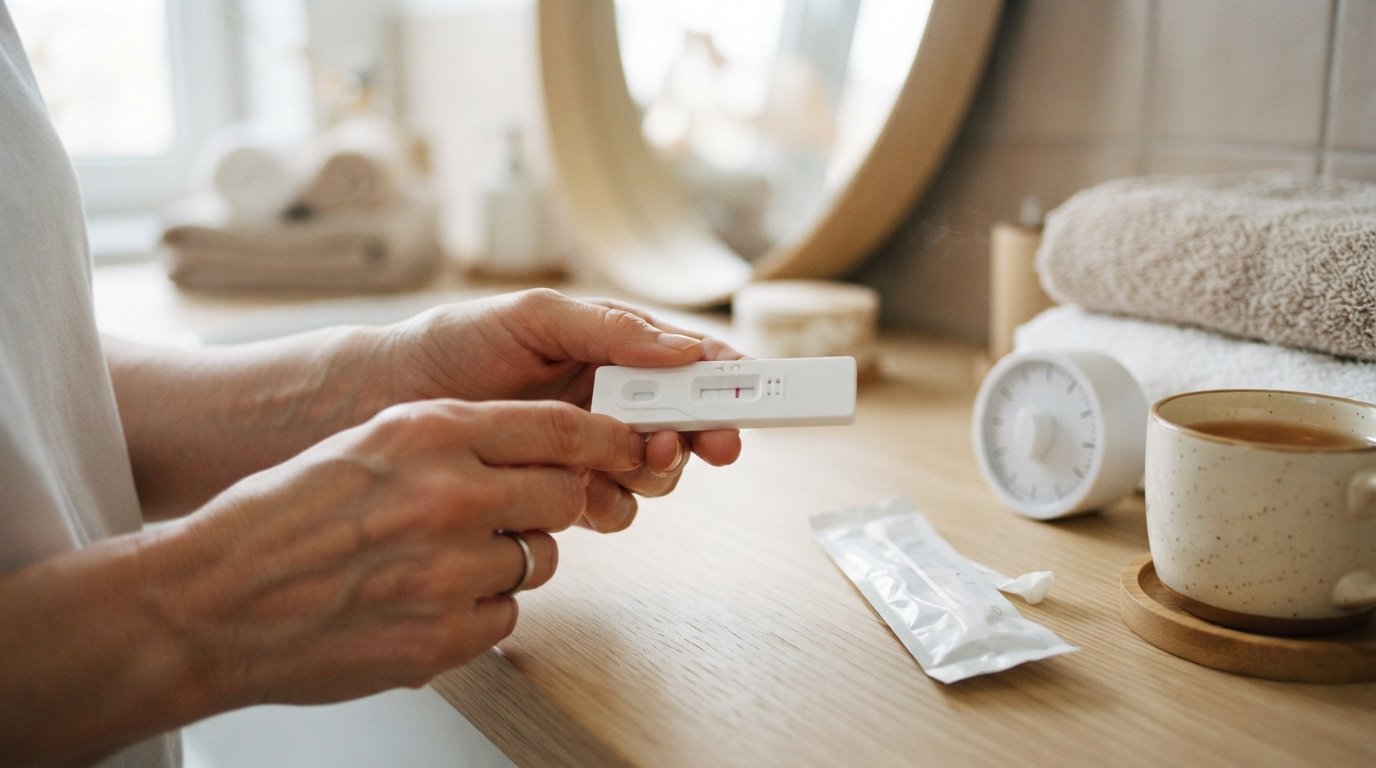
At Home Covid Test Results: Questions and Next Steps
Get clear answers to your at home covid test result questions and next steps, from reading faint lines to knowing when to repeat testing and seek care.

You just swabbed your nose, waited the long 15 minutes, and now you are staring at a faint line, a bright line, or no line at all. Your mind races with questions: Is it really positive? Do I need to isolate? Should I test again? What if I feel fine? At home covid tests have become a normal part of life, but interpreting the results and knowing what to do next can still feel confusing. This guide walks you through the most common questions people have after taking an at home covid test, explains how to read positive, negative, and invalid results, and outlines practical next steps. Whether you are managing symptoms, planning a visit with a vulnerable family member, or simply trying to make sense of a surprise line, the information below will help you move forward with confidence and clarity.
How to Read Positive, Negative, and Invalid At Home Covid Test Results
At home covid tests are designed to detect the presence of the SARS-CoV-2 virus through a simple color change on a test strip. Most rapid antigen tests come with a control line (often labeled C) and a test line (labeled T). The control line must appear for the test to be valid. If the control line does not show up, the test is invalid and should be repeated with a new kit. The test line indicates the presence of viral proteins. Even a faint test line counts as positive, according to the U.S. Food and Drug Administration. This is one of the most common at home covid test result questions: does a faint line mean I am positive? The answer is yes. Any visible test line, no matter how light, should be treated as a positive result. A negative result means the control line appears but no test line is visible. However, a negative result does not completely rule out infection, especially if you have symptoms or have been exposed to someone who tested positive. An invalid result occurs when the control line is absent, or when the test appears streaky or unclear due to improper swabbing or timing. In that case, you should discard the test and use a new one. Always follow the specific instructions included with your test kit, as different brands may have slightly different reading windows and line interpretations.
Understanding these three outcomes is the first step in answering your at home covid test result questions and next steps. Once you know what your test is telling you, you can decide on the appropriate course of action. It is also important to remember that at home tests are not perfect. False negatives can happen, particularly early in the infection when viral load is low. False positives are rare but possible. That is why timing and repeat testing matter, which we will cover next.
Timing Your Test After Exposure and When to Repeat
The timing of your at home covid test significantly affects the accuracy of the result. If you have been exposed to someone with covid, it can take several days for the virus to build up enough for a rapid antigen test to detect it. The Centers for Disease Control and Prevention (CDC) recommends testing at least five days after exposure, or as soon as symptoms appear. If you test too early, you may get a negative result even though you are infected. This is a common source of confusion and one of the top at home covid test result questions: why did I test negative on day two but positive on day five? The answer lies in viral load. Early in infection, the amount of virus in your nasal passages may be below the test's detection threshold. Repeat testing is often suggested to improve accuracy. For example, if you have symptoms but test negative, the CDC suggests testing again 48 hours later. If you have no symptoms but were exposed, you might test at day five and then again at day seven or eight if the first test is negative. Some tests are authorized for serial testing, meaning you test yourself two or three times over a few days. Always check the instructions for your specific test to see if repeat testing is recommended. If you have a positive result, there is generally no need to repeat the test to confirm, unless your healthcare provider advises otherwise. Positive results are highly reliable when using an at home test correctly.
Another timing consideration is the window for reading the test. Most rapid antigen tests must be read within 15 to 30 minutes. Reading too early or too late can lead to inaccurate results. Set a timer and follow the instructions precisely. If you are unsure whether your test is still valid, do not guess: use a new test. When in doubt, repeat testing after the recommended interval is a safe and sensible next step.
What a Positive Result Means and Immediate Next Steps
A positive at home covid test means you are very likely infected with the virus that causes covid-19. Even if you feel fine, you can still spread the virus to others. The first next step is to isolate yourself from others to prevent transmission. The CDC recommends staying home for at least five days after the start of symptoms or after the date of a positive test if you have no symptoms. You can end isolation after day five if you are fever-free for 24 hours without fever-reducing medication and your symptoms are improving. However, you should continue to wear a high-quality mask around others through day 10. These guidelines may change, so check the CDC website for the most current recommendations. If you have a positive result, you should also inform close contacts so they can monitor for symptoms and test if needed. This is especially important if you live with or care for someone at high risk for severe illness.
Beyond isolation, a positive result raises several at home covid test result questions and next steps regarding treatment. Most people with mild illness can manage symptoms at home with rest, hydration, and over-the-counter fever reducers. However, if you are at high risk for severe covid (for example, if you are older, have a weakened immune system, or have chronic conditions like diabetes or heart disease), you should contact a healthcare provider promptly to discuss whether you are eligible for antiviral medications. These medications work best when started early, within five to seven days of symptom onset. A virtual visit can be a convenient way to discuss your symptoms and risk factors with a licensed clinician, who can advise you on whether antiviral treatment is appropriate and where to seek care. DoctorsHome is an educational site and does not provide medical advice or prescriptions, but we encourage you to reach out to a telehealth provider or your primary care doctor if you have concerns. If you develop severe symptoms such as difficulty breathing, persistent chest pain, confusion, or bluish lips, seek emergency care immediately.
What a Negative Result Means and When to Test Again
A negative at home covid test result is reassuring but not definitive. If you have symptoms, a negative result could be a false negative, meaning you still have covid. The CDC recommends repeating the test 48 hours later if your first test is negative and you have symptoms. If you have no symptoms but were exposed, a negative result may simply mean you tested too early. In that case, testing again in a few days is wise. A negative result does not mean you can ignore precautions if you are feeling unwell. Continue to monitor your symptoms and consider other respiratory viruses like the flu or common cold. If your symptoms worsen, contact a healthcare provider. A virtual visit can help you determine whether you need further testing, such as a PCR test, which is more sensitive than rapid antigen tests. PCR tests are typically available at pharmacies, urgent care centers, and healthcare providers. Your clinician can advise you on the best course of action based on your symptoms, exposure history, and test results.
It is also important to consider the context of your negative test. If you tested negative but are in close contact with someone who has covid, you should continue to wear a mask and monitor for symptoms for the full incubation period (up to 10 days). Repeat testing can provide additional peace of mind and help you make informed decisions about social interactions, travel, or visiting vulnerable individuals. When in doubt, erring on the side of caution is always reasonable. A negative result is good news, but it is not a free pass to ignore public health guidance.
Invalid Results and What They Mean
An invalid result occurs when the control line does not appear on the test strip. This means the test did not function properly, and you cannot rely on the result. Invalid results can happen for several reasons: you may not have swabbed your nose correctly, the test may have been stored improperly, or the test may have expired. If you get an invalid result, do not panic. Simply discard the test and repeat the process with a new kit, carefully following the instructions. If you continue to get invalid results, consider using a different brand of test or seeking a test at a pharmacy or clinic. An invalid result is not a negative result; it tells you nothing about whether you have covid. It is purely a technical failure. Therefore, you should not use an invalid test to make decisions about isolation or social distancing. Always treat an invalid result as if you have not been tested and proceed accordingly.
One common at home covid test result question is whether an invalid test can be caused by user error. Yes, improper swabbing is a frequent culprit. Make sure you insert the swab far enough into your nostril and rotate it against the nasal wall several times, as directed. Also, check the expiration date on the test kit before use. Expired tests may produce unreliable results. If you are unsure whether your test is still valid, do not use it. It is better to spend a few dollars on a new test than to rely on an invalid one.
When a Virtual Visit Can Help with Symptoms and Next Steps
At home covid tests are convenient, but they are not a substitute for professional medical advice. If you have questions about your results, symptoms, or next steps, a virtual visit with a licensed clinician can be extremely helpful. Telehealth providers can review your symptoms, exposure history, and test results, and offer guidance on isolation, symptom management, and whether you need further testing. They can also discuss whether you are a candidate for antiviral medications and, if appropriate, prescribe them. DoctorsHome does not provide these services, but we educate you on what to expect from a telehealth visit. A virtual visit is especially useful if you are at high risk for severe illness, if your symptoms are worsening, or if you are unsure about the reliability of your at home test. Many telehealth platforms offer same-day appointments, which can save you a trip to urgent care. During the visit, be prepared to share your test result, the date you tested, your symptoms, and any underlying health conditions. The clinician can then provide personalized recommendations. Remember, a virtual visit is not for emergencies. If you are experiencing severe symptoms, call 911 or go to the nearest emergency department.
For those who test positive and are eligible for antiviral therapy, a virtual visit can be the fastest way to access treatment. Antivirals like Paxlovid must be started within five days of symptom onset, so time is of the essence. A telehealth clinician can assess your eligibility and send a prescription to your pharmacy if appropriate. This is a key next step for many people who test positive. However, not everyone needs antiviral treatment, and a clinician will weigh the risks and benefits. If you are unsure whether you should seek a virtual visit, consider your risk factors and the severity of your symptoms. When in doubt, reaching out is a safe choice.
When to Seek Emergency Care
While most people with covid-19 recover at home, some develop severe complications that require immediate medical attention. It is crucial to recognize the warning signs so you can act quickly. Seek emergency care immediately if you or someone you are caring for experiences any of the following: difficulty breathing or shortness of breath, persistent pain or pressure in the chest, new confusion or inability to wake or stay awake, bluish lips or face, or other severe symptoms. These could be signs of low oxygen levels, pneumonia, or other life-threatening conditions. Do not wait for an at home test result to confirm covid before seeking emergency care if you have severe symptoms. Emergency departments are equipped to handle all medical emergencies, including those unrelated to covid. If you are unsure whether your symptoms warrant emergency care, call your healthcare provider or a nurse hotline for guidance. In an emergency, always err on the side of caution and call 911.
It is also important to remember that at home covid tests are not designed to detect other respiratory viruses, such as influenza or respiratory syncytial virus (RSV). If you have severe symptoms but a negative covid test, you could still have another serious infection. Emergency care providers can run tests to identify the cause of your symptoms and provide appropriate treatment. Do not delay care because of a negative at home test. Your health and safety are the top priority.
Practical Tips for Managing Your At Home Test Experience
To get the most accurate result from your at home covid test and to reduce confusion, follow a few practical tips. First, read the instructions thoroughly before you begin. Each test kit has specific steps for swabbing, mixing, and reading the result. Second, store your tests at room temperature and away from direct sunlight. Extreme temperatures can damage the test components. Third, check the expiration date. If your test is expired, it may not work correctly. Fourth, set a timer for the reading window. Reading too early or too late can lead to misinterpretation. Fifth, if you get a positive result, report it to your local health department if required or recommended. Some jurisdictions use self-reporting to track cases and allocate resources. Finally, keep a few extra tests on hand if possible, so you can repeat testing when needed without scrambling to find a kit.
For those who are planning to travel or attend gatherings, at home testing can add a layer of safety. Testing immediately before an event, especially if you will be around vulnerable people, can help identify asymptomatic infections. However, a negative test is not a guarantee. Continue to follow other precautions like masking and hand hygiene. If you test positive, do not attend the event, even if you feel well. The risk of spreading the virus to others is too high.
Understanding the Limitations of At Home Tests
At home rapid antigen tests are a valuable tool, but they have limitations. They are less sensitive than PCR tests, meaning they may miss early infections or low viral loads. This is why repeat testing is often recommended. A negative result from a rapid antigen test does not rule out covid, especially if you have symptoms. Additionally, the accuracy of at home tests can vary depending on how well you follow the instructions and how well you swab. Improper swabbing can lead to false negatives. It is also important to note that at home tests are not all the same. Some may perform better than others. The FDA maintains a list of authorized tests and provides information on their performance. If you have a choice, consider using a test that has been evaluated for accuracy. Finally, at home tests do not tell you which variant you have, nor do they provide information about immunity. They are simply a snapshot of whether you are currently shedding viral proteins. Understanding these limitations helps you interpret your results in context and make informed decisions about next steps.
When you have a positive result, you can be confident that you are infected and should take precautions. When you have a negative result, you should consider the context and repeat testing if you have symptoms or a known exposure. By combining test results with your symptoms, exposure history, and public health guidance, you can navigate the uncertainty with greater confidence.
At home covid tests are a convenient and important tool for managing your health and protecting others. By understanding how to read your results, knowing when to repeat testing, and recognizing when to seek professional care, you can take the right next steps with confidence. Remember that DoctorsHome is here to provide educational information, not medical advice. If you have specific concerns about your health or test results, consult a licensed healthcare provider. They can help you interpret your at home covid test result questions and next steps in the context of your personal health situation.