
At Home COVID PCR Test Accuracy and Usage Guide
At Home COVID PCR Test Accuracy and Usage Guide
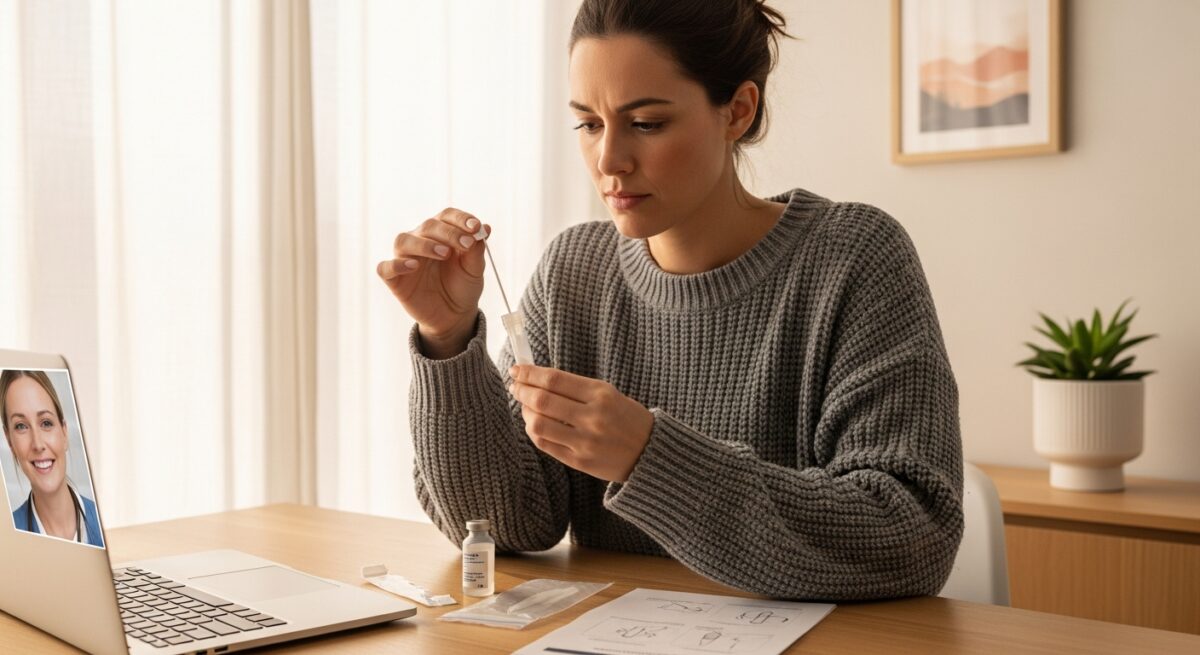
In the evolving landscape of digital healthcare, at home COVID PCR tests represent a significant advancement, merging laboratory-grade accuracy with the convenience of remote care. These tests, often referred to as molecular home collection kits, have become a cornerstone for individuals needing definitive results for travel, medical clearance, or peace of mind. However, their effectiveness hinges entirely on proper usage and a clear understanding of their capabilities and limitations. This comprehensive guide delves into the science behind at home PCR test accuracy, provides a step-by-step usage protocol, and explains how these tools integrate seamlessly with modern telemedicine platforms like Doctors Home to deliver a complete, remote care solution.
Understanding At Home PCR Test Technology and Accuracy
An at home COVID PCR test is not a rapid antigen test. It is a molecular diagnostic kit that allows you to collect a sample (typically a nasal swab or saliva) at home, which is then mailed to a certified laboratory for analysis using Polymerase Chain Reaction (PCR) technology. This process amplifies tiny amounts of viral genetic material to detectable levels, making it the gold standard for COVID-19 detection due to its high sensitivity and specificity. The “at home” component refers to the sample collection, not the analysis, which is why these tests are sometimes called “home collection kits.”
The advertised accuracy of these kits, often above 98% sensitivity and specificity, reflects the laboratory PCR process itself. However, the real-world accuracy of your result is contingent on several factors you control: the timing of the test relative to exposure, the quality of the sample you collect, and how quickly you ship it to the lab. A poorly collected sample can lead to a false-negative result, even with a perfect lab assay. Therefore, while the underlying technology is exceptionally accurate, the user-dependent collection phase is the critical variable that this guide aims to optimize.
Step by Step Guide to Using Your At Home PCR Test Kit
To ensure your at home covid test kit yields a reliable result, meticulous attention to the process is required. Before you begin, read all instructions thoroughly, register your kit online as directed (this is mandatory for receiving results), and ensure you have all components. The following steps outline a general protocol, but always defer to the specific instructions included with your kit.
- Preparation and Registration: Wash your hands thoroughly. Create an account and register your kit on the provider’s website or app using the unique ID number. This links your sample to your profile for result reporting.
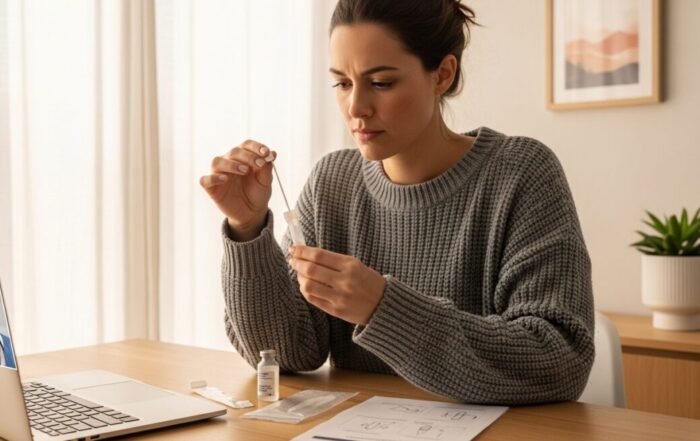
- Sample Collection: Follow the swabbing technique precisely. For nasal swabs, this usually means inserting the swab a specified distance (not just the nostril rim) and rotating it against the nasal wall for the full duration stated (often 15 seconds per nostril). Avoid touching the swab tip to anything but your nasal passage.
- Sample Storage and Shipping: Immediately place the swab into the provided stabilization tube, snap off the excess handle, and close the tube securely. Place it in the pre-labeled biohazard bag and then into the prepaid return shipping box. Drop it at a designated carrier location or schedule a pickup promptly, as delays can degrade the sample.
- Awaiting and Receiving Results: Laboratory processing typically takes 24-48 hours from receipt. Results are delivered securely via email, SMS, or a patient portal. A positive result indicates detection of SARS-CoV-2 RNA. A negative result means the virus was not detected in your sample at the time of collection.
It is crucial to isolate if you have symptoms or suspect infection while awaiting results. For a broader understanding of testing options, including those for co-circulating viruses, our guide on at home COVID and flu test kits compares the accuracy and use cases for multiplex tests.
Maximizing Accuracy: Timing, Technique, and Interpretation
Even the best at home pcr covid test can be rendered ineffective by poor timing. PCR tests are most accurate when viral loads are highest. For individuals with symptoms, testing immediately is advisable. For those testing after a known exposure but without symptoms, the optimal window is generally 3-5 days post-exposure. Testing too early may miss an incubating infection. Furthermore, a single test provides a snapshot in time, it does not guarantee you are not infected if exposed later.
Interpreting results requires context. A positive result from a certified lab is highly reliable and indicates an active COVID-19 infection, requiring isolation and consultation with a healthcare provider. A negative result is reassuring but not an absolute guarantee, especially if collected poorly or very early in infection. If symptoms persist after a negative result, repeat testing or consultation with a doctor is recommended. This is where the integration with telemedicine becomes invaluable, a topic we will explore next.
Integrating At Home Testing with Telemedicine for Complete Care
The true power of an at home COVID PCR test is unlocked when it is part of a connected healthcare journey. Platforms like Doctors Home bridge the gap between taking a test and receiving clinical guidance. Once you receive your results, especially if positive or confusing, you can immediately schedule a virtual consultation with a licensed healthcare professional. This seamless integration transforms raw data into actionable medical advice.
During a telemedicine consultation, a provider can officially interpret your lab result, discuss your symptoms, and recommend a treatment plan. This may include guidance on over-the-counter medications for symptom relief, advice on isolation protocols to protect others, and, when clinically appropriate, prescriptions for antiviral treatments like Paxlovid. This end-to-end process, from ordering a covid pcr test at home to discussing results and treatment options virtually, epitomizes the convenience and efficiency of modern digital healthcare. It eliminates unnecessary trips to clinics or urgent care, reducing exposure risk and saving time while ensuring you receive professional medical support.
Frequently Asked Questions
How accurate are at home PCR tests compared to clinic tests?
The laboratory analysis is identical, offering the same high accuracy (often >98%). The variable is the sample collection. A properly self-collected sample following instructions can yield accuracy comparable to a clinician-collected sample.
Can I use an at home PCR test for travel documentation?
Many kits are approved for travel, but you must verify this before purchase. The test must typically be a PCR or NAAT test from a provider that provides a result document meeting the destination country’s requirements (including your name, date of birth, test type, collection date, and result).
What should I do if my at home PCR test is positive?
Begin isolation immediately to prevent spreading the virus. Schedule a telemedicine appointment to review the result, discuss your symptoms, and explore treatment options. Notify close contacts so they can monitor for symptoms and consider testing.
How long does it take to get results from a home collection PCR kit?
The timeline usually includes 1-2 days for shipping to the lab, plus 24-48 hours for processing. Most providers deliver results within 2-3 days of you shipping your sample, though some offer expedited services.
Are at home PCR tests covered by insurance?
Coverage varies by insurer and plan. Many insurers continued to cover the cost of at-home COVID-19 tests, including PCR collection kits, through specific programs. Check directly with your insurance provider or the test kit seller for the most current reimbursement information.
Navigating COVID-19 testing from home is a straightforward process when armed with the right knowledge. By understanding the technology, executing proper collection technique, and leveraging integrated telemedicine services, you can obtain laboratory-confirmed results and professional medical guidance without leaving your home. This approach not only provides clarity and peace of mind but also represents the proactive, patient-centered future of healthcare management.
About the Author: Laura Simmons

Sign up for our newsletter and Save 20% on Test Kits
"*" indicates required fields