
At Home Blood Type Test Accuracy and Process Guide
At Home Blood Type Test Accuracy and Process Guide
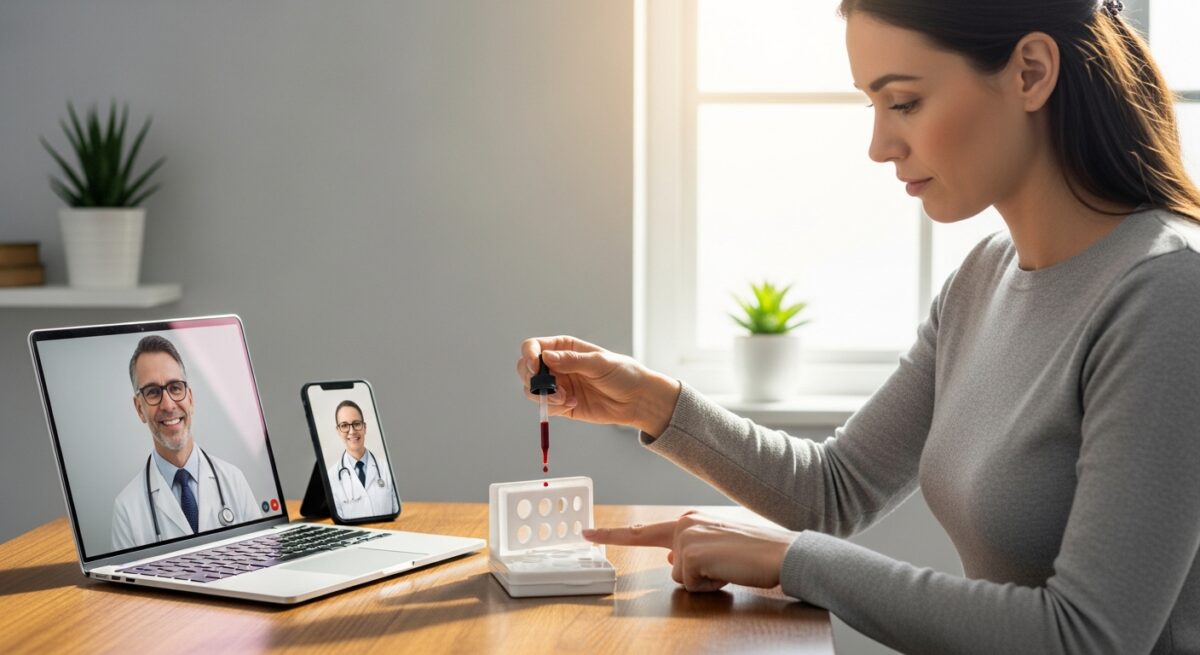
Knowing your blood type is a fundamental piece of personal health information, relevant for everything from emergency preparedness to understanding potential health risks. While traditionally determined in a clinical lab, the rise of direct-to-consumer health technology has made discovering your blood group as simple as ordering a kit online. This comprehensive guide will walk you through everything you need to know about at home blood type test accuracy, the step-by-step process, and how to interpret your results with confidence. We will examine the science behind these kits, their reliability compared to lab tests, and the practical steps to ensure you get a correct reading from the comfort of your home.
Understanding Blood Typing and Its Importance
Your blood type, or blood group, is determined by the presence or absence of specific antigens, which are protein molecules on the surface of your red blood cells. The two most critical systems are the ABO system (which gives you type A, B, AB, or O) and the Rh system (which gives you a positive or negative sign). This information is crucial for safe blood transfusions, as mismatched blood can trigger a severe immune reaction. It is also important in pregnancy (to manage Rh incompatibility), may influence susceptibility to certain diseases, and is a key identifier in medical records and emergencies.
For most people, their blood type remains a mystery until they donate blood, undergo surgery, or get a specific lab test. At home blood typing kits have emerged to fill this knowledge gap, offering privacy, convenience, and immediate results. These kits typically use a method called agglutination, where a small sample of your blood is mixed with antibodies against the A and B antigens. If the blood clumps (agglutinates) when mixed with Anti-A serum, you have type A. If it clumps with Anti-B, you have type B. Clumping with both indicates AB, and no clumping indicates type O. A separate test card area checks for the Rh factor.
Evaluating the Accuracy of Home Blood Typing Kits
The primary question for anyone considering this route is: how accurate are these tests? The short answer is that most FDA-cleared or CE-marked home blood type tests are highly accurate when used exactly according to the manufacturer’s instructions. They employ the same fundamental immunological principle (hemagglutination) used in hospital blood banks for preliminary typing. However, the accuracy is not 100% and is highly dependent on user technique and kit quality.
Several factors can influence the accuracy of a blood group test at home. User error is the most significant variable. This includes using an insufficient blood sample, improper mixing with the reagents, misreading the reaction times, or contaminating the test card. The quality and sensitivity of the antibodies in the kit are also critical; reputable brands use clinical-grade reagents. Furthermore, certain medical conditions, like being immunocompromised or having a recent blood transfusion, can potentially interfere with results. For absolute, medically definitive typing, a professional lab test that includes a “reverse typing” step (checking your serum for antibodies) is the gold standard.
To maximize accuracy, follow these key guidelines when selecting and using a kit:
- Choose a Reputable Brand: Opt for kits that are FDA-cleared or have a CE mark, indicating they meet regulatory standards for safety and performance.
- Check Expiry Dates: Never use an expired home blood typing kit, as the reactive antibodies may degrade.
- Follow Instructions Meticulously: Read the entire guide before starting. Adhere strictly to the blood sample volume, mixing procedure, and timing for reading results.
- Ensure a Clean Workspace: Contamination from dust, food, or other substances can skew results.
- Understand the Limitations: Recognize that this is a screening test. For any critical medical decision (like prior to a transfusion or surgery), your blood type must be confirmed by a certified laboratory.
A Step-by-Step Process Guide for Home Testing
Performing a home blood typing test is straightforward, but attention to detail is paramount. While each kit has its own specific instructions, the general process is consistent. Here is a detailed walkthrough of what you can expect.
Preparation and Safety First
Begin by washing your hands thoroughly with warm water and soap to minimize the risk of infection. Dry them with a clean towel. Gather all components from the kit, which usually includes a test card with pre-applied antibodies, a sterile lancet for finger-pricking, a capillary tube or pipette for blood collection, alcohol swabs, and a mixing stick. Clear a clean, well-lit, flat surface to work on. Read the instructions completely before touching any of the components.
Sample Collection and Application
Clean your chosen fingertip (typically the ring or middle finger) with the provided alcohol swab and let it air dry. Use the sterile lancet to make a quick, firm prick on the side of your fingertip, where there are more capillaries and it’s often less painful. Gently massage your finger to form a good-sized drop of blood. Using the collection device, touch it to the blood drop to draw the sample up by capillary action. Then, carefully apply one drop of blood to each of the marked circles on the test card (usually labeled Anti-A, Anti-B, and Anti-D for Rh). Avoid touching your skin or the card with the collection device.
Mixing and Reading Results
Immediately use the separate end of the mixing stick (or a clean stick for each circle) to gently but thoroughly stir the blood within each circle for the time specified in the instructions, usually 10-30 seconds. This ensures the blood mixes with the antibodies. After mixing, you may need to tilt the card back and forth slightly. Wait for the exact recommended time, typically 1-2 minutes. Do not wait too long, as the blood can dry and make interpretation difficult. Look for agglutination, which appears as a grainy, clumpy texture within the circle. A smooth, even dispersion of blood indicates no reaction. Match the pattern of clumping to the result chart provided. For a broader understanding of how at-home blood tests work, you can explore our detailed resource on at home blood test kits and their applications.
Interpreting Your Results and Next Steps
Correct interpretation is the final, crucial step. The test card will have a clear guide. For example, clumping only in the Anti-A circle means blood type A. Clumping in both Anti-A and Anti-B means AB. Clumping in the Anti-D circle means Rh-positive. It is possible to get ambiguous results, such as very faint clumping or a result that seems unclear. If this happens, do not guess. The safest course of action is to consider the test inconclusive. You may repeat the test with a new kit, ensuring even stricter technique, or seek a professional lab test.
Once you have a clear result, record it in a personal health record, tell your primary care physician, and consider sharing it with close family members. Remember, while this home test is excellent for personal knowledge, it is not a legally valid document for medical procedures. Hospitals and blood banks will always perform their own typing before a transfusion. If your at-home result is unexpected (e.g., you thought you were O+ but the kit says B-), it is advisable to confirm with a clinical test, which can be ordered through your doctor or a telemedicine service like Doctors Home that connects you with licensed professionals who can order definitive lab work.
Frequently Asked Questions
Are at home blood type tests as accurate as hospital tests?
While they use a similar scientific principle, hospital tests are more comprehensive and include controls and reverse typing. Home tests are highly accurate for screening when used correctly but are not considered medically definitive for procedures like transfusion.
Can I use my home test result for medical purposes?
No. Home test results should not be used to make medical decisions, for blood donation, or prior to surgery. They are for personal knowledge only.
What does it mean if my blood clumps in all circles?
This could indicate a technical error, contamination, or, rarely, a blood condition. The test should be repeated with a new kit. If the pattern persists, consult a healthcare provider.
How often should I test my blood type?
Your blood type is genetically determined and does not change. One accurate test is sufficient for a lifetime.
Do these tests work for everyone?
Most people can get a clear result. However, individuals who have received a bone marrow transplant or a recent blood transfusion may get a false result reflecting the donor’s blood type. Very young infants may also have unclear results due to underdeveloped antigens.
At home blood type tests represent a powerful tool for taking control of your basic health information. By understanding their accuracy parameters, meticulously following the process guide, and respecting their limitations, you can safely and effectively discover your blood group. This knowledge, while simple, completes an important part of your health profile and empowers you to have more informed conversations with your healthcare providers, whether in-person or through digital health platforms that prioritize accessible patient education and care.
About the Author: Kevin Ramirez




Sign up for our newsletter and Save 20% on Test Kits
"*" indicates required fields