
At Home Blood Test Kits Explained: A Complete Guide
At Home Blood Test Kits Explained: A Complete Guide
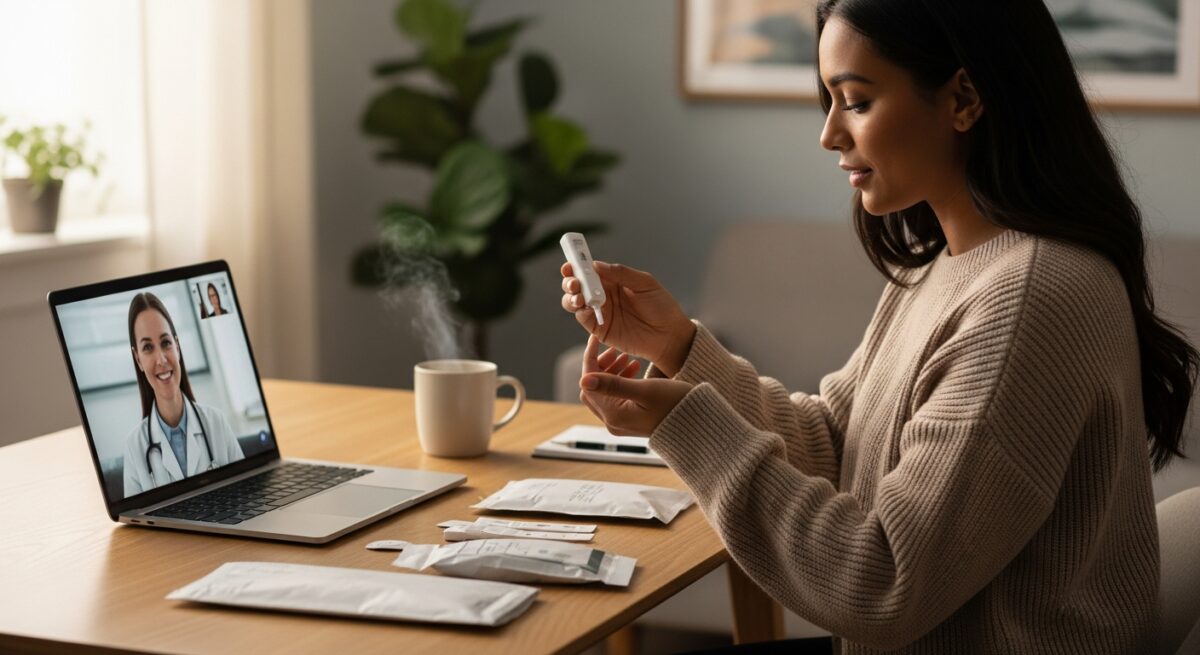
Imagine getting a detailed snapshot of your health without leaving your couch, scheduling an appointment, or sitting in a waiting room. This is the promise of at home blood test kits, a rapidly growing segment of digital health that puts powerful diagnostic information directly into the hands of consumers. These kits offer a convenient and often more accessible pathway to understanding everything from cholesterol levels and vitamin deficiencies to hormonal balances and genetic predispositions. For individuals managing chronic conditions, tracking wellness goals, or simply seeking proactive health insights, these tools represent a significant shift from reactive to preventive care. However, navigating the world of direct-to-consumer lab testing requires a clear understanding of how these kits work, what they can and cannot tell you, and how to integrate the results into a responsible healthcare plan.
What Are At Home Blood Test Kits and How Do They Work?
At their core, at home blood test kits are diagnostic tools designed for self-collection. A user orders a kit online from a licensed laboratory or telemedicine platform, receives it by mail, performs a simple blood sample collection (typically via a finger prick), and then mails the sample back to a CLIA-certified lab for analysis. Within days or weeks, the results are delivered through a secure online portal, often accompanied by explanations or, in some cases, a consultation with a healthcare professional. The process demystifies and democratizes access to laboratory data that was once gatekept by the traditional clinical visit. It’s crucial to understand that these are not over-the-counter toys, but serious medical devices that generate clinical-grade data. The laboratories processing these samples must adhere to the same stringent federal standards (CLIA certification) as those used by your doctor’s office, ensuring the analytical validity of your results.
The technology behind sample collection has evolved significantly. Most kits now use a method called capillary blood sampling. Instead of drawing venous blood from a vein in your arm, you use a small lancet to prick your fingertip and collect drops of blood onto a special card or into a micro-container. This method is far less invasive and, with clear instructions, can be performed safely and effectively by most adults. The key to accuracy lies in following the preparation and collection instructions meticulously. Factors like hydration, time of day, fasting status, and even recent exercise can influence certain biomarkers, so adhering to the kit’s pre-test guidelines is paramount for obtaining meaningful results.
The Major Benefits and Potential Drawbacks
The appeal of at home blood test kits is multifaceted, offering tangible advantages for modern healthcare consumers. The most obvious benefit is unparalleled convenience. You can order a test, collect your sample, and receive results entirely on your own schedule, eliminating travel time, missed work, and clinic wait times. This is particularly valuable for people in remote areas, those with mobility issues, or individuals with demanding schedules. Furthermore, these kits can empower individuals to take a more active role in their health. By providing direct access to data, they encourage health literacy and proactive monitoring. For example, someone might track their vitamin D levels seasonally or monitor their HbA1c (a marker for blood sugar control) as part of a diabetes management plan. This data-driven approach can facilitate more informed conversations with healthcare providers.
However, this new model is not without its caveats and potential risks. The foremost concern is the lack of immediate clinical context. Receiving a flagged “abnormal” result without a professional to interpret it can cause significant anxiety, a phenomenon sometimes called “scanxiety.” A result outside the reference range is not always a diagnosis, it can be influenced by temporary factors, and it requires expert interpretation. There is also a risk of false reassurance from a “normal” panel that misses a condition not covered by the test. Another critical consideration is data privacy. You must research how the testing company stores, uses, and potentially shares your sensitive health information. Finally, cost is a factor. While some kits may seem affordable upfront, they are often not covered by insurance, unlike traditional lab work ordered by a physician. Users must pay out-of-pocket, which can be prohibitive for comprehensive panels.
Choosing the Right Kit for Your Needs
The market for at home blood test kits has exploded, offering tests for a vast array of health concerns. Making an informed choice requires aligning the test with your specific health questions and goals. Start by asking yourself why you want the test. Are you looking for general wellness screening, insight into a specific symptom (like fatigue), monitoring of a known condition, or information on genetic predispositions? Your intent will guide you toward the appropriate panel.
Common categories of at home blood test kits include:
- General Wellness and Metabolism: These panels often check cholesterol (lipid panel), blood sugar (glucose, HbA1c), liver and kidney function, and complete blood count (CBC). They provide a broad overview of systemic health.
- Hormone Testing: Popular for assessing thyroid function (TSH, T3, T4), sex hormones (testosterone, estrogen, progesterone), cortisol (stress hormone), and fertility markers.
- Nutrition and Vitamin Deficiency: Tests for levels of key vitamins like D, B12, and minerals like iron and magnesium. Ideal for individuals with dietary restrictions or unexplained fatigue.
- Sexual Health and STI Screening: Discreet testing for common sexually transmitted infections like HIV, syphilis, chlamydia, and gonorrhea.
- Genetic and DNA Testing: While often involving saliva, some panels include blood-based genetic insights into carrier status, wellness traits, or predispositions to certain health conditions.
Once you’ve identified the type of test, vet the provider. Choose companies that use CLIA-certified, CAP-accredited labs, employ licensed physicians to review orders and results where required by law, and have transparent privacy policies. Review whether they offer any form of result interpretation or follow-up consultation, as this bridges the gap between data and actionable health insight. Platforms like Doctors Home integrate this process seamlessly, providing access to both the testing kit and licensed professionals who can help interpret results and recommend next steps within a single, secure telemedicine ecosystem.
The Critical Step: What to Do After You Get Your Results
Receiving your lab report is not the end of the journey, it is the beginning of a more informed health dialogue. The most important rule is to avoid self-diagnosis and self-treatment based solely on your at home blood test kit results. Use the information as a tool for engagement, not as a definitive answer. First, review the results carefully alongside the reference ranges and any educational materials provided. Note any values that are flagged as high or low.
Your next step should be to share these results with a healthcare professional. This is where the value of a telemedicine platform becomes evident. You can schedule a virtual consultation to discuss the findings without the hassle of an in-person visit. A licensed provider can put the numbers into the context of your full medical history, current symptoms, lifestyle, and medications. They can explain whether an abnormal result is clinically significant, suggest potential causes, and recommend appropriate follow-up actions. These actions might include confirmatory testing through a traditional lab, lifestyle modifications, starting or adjusting a medication, or a referral to a specialist. The at home test serves as a powerful conversation starter and data point that enables more personalized and efficient care.
Frequently Asked Questions
Are at home blood test kits accurate?
When from a reputable company using CLIA-certified labs, the analytical accuracy of the lab test itself is comparable to a traditional blood draw. Accuracy in collection depends on you following instructions precisely. Clinical accuracy, or what the result means for your health, requires a doctor’s interpretation.
Do I need a doctor’s order for an at home kit?
It depends on the test and your state’s laws. Many general wellness tests are available directly to consumers. Tests for diagnosing specific diseases often require a doctor’s order. Reputable companies have licensed physicians review and approve all test orders to ensure medical appropriateness.
How much blood do I need to collect?
Very little. Capillary collection from a finger prick typically requires only a few drops of blood, much less than a standard venous draw.
Will my insurance cover the cost?
Most direct-to-consumer kits are not covered by insurance, as they are not ordered through a traditional clinical pathway. Some companies may provide a receipt you can submit for possible reimbursement, but you should plan to pay out-of-pocket. Some telemedicine services that include a consultation and lab order may have different billing practices.
Is my health data safe?
You must review the company’s privacy policy. Reputable companies use HIPAA-compliant platforms, encrypt your data, and are clear about whether they sell or share your de-identified data for research. Never use a service that does not have a clear and strong privacy commitment.
At home blood test kits are a transformative tool in personalized healthcare, offering convenience, access, and empowerment. They represent a shift towards a more collaborative model where patients are equipped with data to partner with their providers. By choosing a reputable kit, following instructions carefully, and most importantly, integrating the results into a professional healthcare dialogue through platforms like telemedicine, you can safely unlock valuable insights into your well-being and take more confident steps on your health journey.
About the Author: Kevin Ramirez



Sign up for our newsletter and Save 20% on Test Kits
"*" indicates required fields