
At Home Blood Draw Services: What to Expect From Start to Finish
At Home Blood Draw Services: What to Expect From Start to Finish
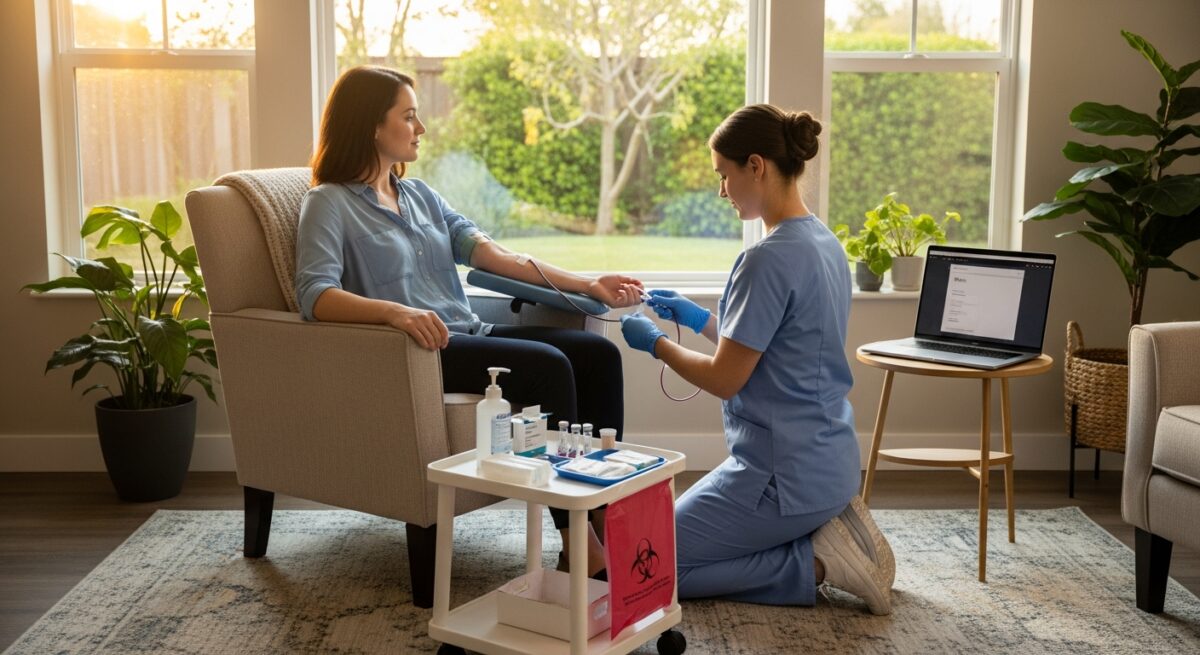
Imagine completing a comprehensive blood panel without leaving your couch, avoiding the traffic, the crowded waiting room, and the anxiety that often accompanies a clinic visit. At home blood draw services are transforming routine and specialized lab work from a chore into a seamless component of modern healthcare. This model, which pairs the convenience of telemedicine with professional phlebotomy, is designed for busy professionals, parents, individuals with mobility challenges, or anyone who values their time and comfort. If you’re considering this service for the first time, understanding the process from scheduling to results can help you prepare and maximize the benefits of mobile blood testing.
The Core Process of a Mobile Phlebotomy Visit
While the concept of a nurse coming to your home might seem straightforward, a professional at home blood draw service follows a detailed, patient-centric protocol. It begins not with the needle, but with digital coordination. After a service like Doctors Home facilitates a telemedicine consultation and a provider orders necessary labs, you can schedule a phlebotomist visit through a partnered network or service. You will typically receive a confirmation with a window for the appointment, not just a single time, as travel between appointments is factored in. On the day of your visit, the phlebotomist, who is a licensed and trained professional specializing in mobile blood testing, will arrive with all necessary supplies: needles, collection tubes, labels, coolers for transport, and biohazard disposal containers. Their kit is a portable, fully-equipped lab station.
The phlebotomist’s first task is to verify your identity and the test requisition, ensuring absolute accuracy. They will then assess your environment, typically asking to use a clean, well-lit table or counter space. A key part of what to expect is the emphasis on safety and comfort. The professional will walk you through each step, ask about any history of fainting or difficult draws, and ensure you are seated or lying in a position that prevents injury. The actual draw technique is no different from a top-tier clinic, but the atmosphere is uniquely relaxed because you are in control of your setting. After the draw, they will properly label and package the samples for secure transport to a certified laboratory, often the same national labs used by hospitals and clinics.
Preparing for Your At Home Blood Test
Preparation is crucial for obtaining accurate results, and your responsibilities are similar to those for a lab visit. The specific instructions will depend on the tests ordered, such as fasting for a lipid panel or glucose test. Generally, you should stay well-hydrated by drinking plenty of water beforehand, as this makes veins easier to access. Wear loose-fitting clothing with sleeves that can be easily pushed up above the elbow. Have your government-issued ID and insurance information handy for verification. It’s also wise to create a clear, comfortable space for the draw, such as a kitchen or dining room table. Inform the service in advance if you have known difficult veins, a fear of needles, or a history of vasovagal reactions (fainting), so the phlebotomist can be prepared with additional techniques or equipment.
Beyond the physical prep, manage your schedule. While home lab testing services offer incredible convenience, they require you to be present for the appointment window. Ensure someone is home to let the phlebotomist in if needed, and keep pets in another room to minimize distractions and ensure a sterile field. If you are fasting, schedule an early appointment to minimize discomfort. Confirming these details the day before ensures a smooth, efficient visit for both you and the healthcare professional.
Safety, Credentials, and Data Security
Entrusting someone to enter your home and perform a medical procedure rightly raises questions about safety and qualifications. Reputable at home blood draw services mitigate these concerns through rigorous standards. First, every phlebotomist is thoroughly vetted, licensed, and insured. They undergo background checks and specific training for in-home care. During the visit, they use single-use, sterile equipment opened in front of you and follow strict protocols for infection control. After the draw, they are responsible for the proper biohazard disposal of all used materials, leaving nothing behind.
Data security is another pillar of the service. Your personal health information (PHI) and test results are protected under HIPAA regulations, just as in a physical clinic. The phlebotomist will have secure, encrypted means of transmitting your sample data to the lab. Results are typically delivered through a secure online patient portal or directly to your ordering healthcare provider. For a deeper understanding of the types of tests available through these services, our guide on at home blood test kits explains the range of options and their purposes. When choosing a service, verify their privacy policy and ensure they partner with CLIA-certified laboratories to guarantee the accuracy and reliability of your results.
Costs, Insurance, and Value Considerations
The financial aspect of home lab testing services varies widely. Some telemedicine platforms, like Doctors Home, integrate the cost of the phlebotomy draw into a broader service package or offer it as a standalone fee. It is critical to understand the billing structure upfront. Here is a breakdown of common cost components:
- Phlebotomy Service Fee: This covers the travel, time, and skill of the professional coming to your location. It may be a flat rate or vary by distance.
- Laboratory Test Fees: These are the charges from the lab for processing and analyzing your samples. These fees are separate from the draw fee.
- Physician Order/Review Fee: If you used a telemedicine service to obtain the lab order, this may be a separate consultation charge.
Insurance coverage for at home blood draws is expanding but not universal. Many private insurers and Medicare may cover the lab test fees if the tests are medically necessary and ordered by a physician, but they often do not cover the convenience fee for the mobile phlebotomy service itself. Always contact your insurance provider with the specific CPT codes for both the draw and the tests to understand your out-of-pocket responsibility. The value proposition, however, extends beyond insurance reimbursement. The time saved, the reduced stress, the avoidance of potential exposure to illness in waiting rooms, and the comfort of receiving care in your own home represent significant non-monetary benefits that many find worth the investment.
After the Draw: Receiving and Understanding Results
Once your samples are collected, the phlebotomist’s role is complete, but the service continuum continues. The samples are transported to the lab, usually via a medical courier, for processing. Turnaround times for results are typically identical to in-person draws, ranging from 24 hours for standard tests to several days for more specialized panels. You will receive a notification when results are available, usually via a secure patient portal. It is essential to review these results with the healthcare provider who ordered them. A telemedicine platform is ideal for this follow-up, as you can quickly schedule a virtual consultation to discuss the findings, their implications for your health, and any next steps, such as medication adjustments or further testing. This closed-loop system, from virtual consult to in-home draw to virtual results review, epitomizes the integrated efficiency of modern digital healthcare.
Frequently Asked Questions
How far in advance do I need to schedule an at home blood draw?
It depends on the service provider and your location, but scheduling 24 to 72 hours in advance is common. For specific time-sensitive tests, planning a few days ahead is advisable.
What if my veins are hard to find?
Experienced mobile phlebotomists are skilled in difficult draws. Informing the service beforehand allows them to send a specialist if needed. Techniques like using a warm compress or a different type of needle can often successfully collect the sample.
Can I get any blood test done at home?
Most routine tests (CBC, metabolic panel, cholesterol, hormone tests) and many specialty tests are available. However, tests requiring immediate processing or highly specialized handling may still require a visit to a dedicated lab center. Your healthcare provider or the service can confirm.
Are children eligible for at home blood draw services?
Yes, many services will draw blood from children. The comforting home environment can significantly reduce anxiety for young patients. Parental consent and presence are required.
What happens if I feel faint during the draw?
This is a common concern. The phlebotomist is trained to handle vasovagal reactions. They will ensure you are in a safe, reclined position before starting and will monitor you throughout. Having you lie down on a sofa or bed for the procedure is a standard precaution.
At home blood draw services represent a significant step forward in patient-centered care, merging clinical precision with personal convenience. By demystifying the process and setting clear expectations, from preparation to payment, patients can confidently choose this option to integrate essential diagnostic testing into their lives with minimal disruption. This model, especially when paired with comprehensive telemedicine, creates a cohesive healthcare experience that respects your time, prioritizes your comfort, and supports your long-term wellness goals entirely on your terms.
About the Author: Megan Patel


Sign up for our newsletter and Save 20% on Test Kits
"*" indicates required fields