
Are At-Home Thyroid Test Kits Accurate? What to Know
Are At-Home Thyroid Test Kits Accurate? What to Know
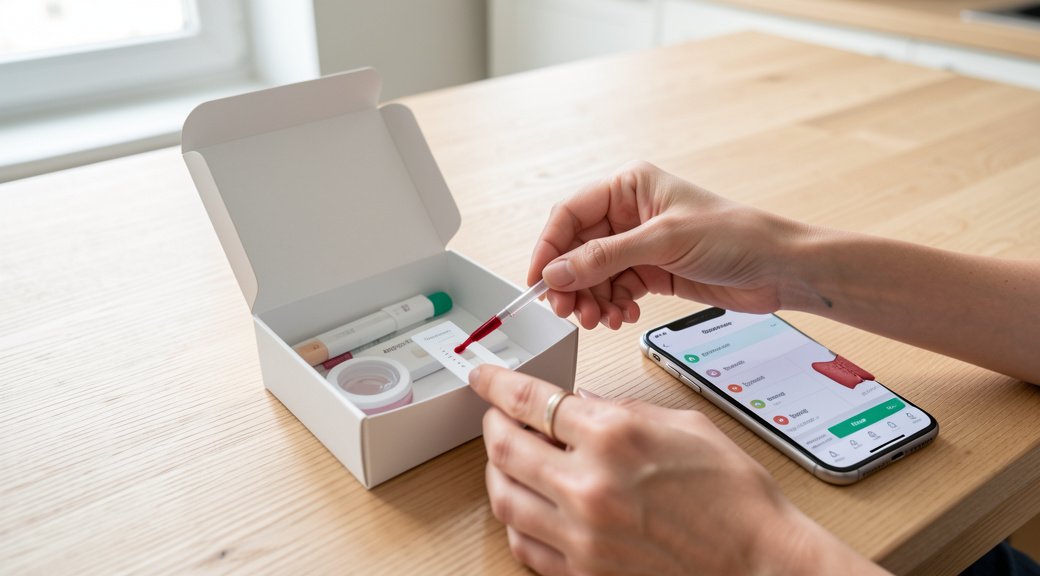
You have likely seen advertisements for at-home thyroid test kits that promise to check your hormone levels from the comfort of your living room. These kits have become increasingly popular as more people seek convenient ways to monitor their health without scheduling a doctor’s appointment or visiting a lab. But a critical question remains: are at-home thyroid test kits accurate enough to trust for making health decisions? The short answer is that many of these kits provide reliable results when used correctly, but there are important nuances regarding sample quality, lab processing, and interpretation that you must understand before relying on them.
Your thyroid gland produces hormones that regulate metabolism, energy levels, heart rate, and body temperature. When something goes wrong, symptoms like fatigue, weight changes, hair loss, or anxiety can appear. Testing your thyroid typically involves measuring thyroid-stimulating hormone (TSH), T3, and T4 levels. At-home kits allow you to collect a blood sample via a finger prick or a dried blood spot, mail it to a certified laboratory, and receive your results online. However, accuracy depends on several factors including the quality of the kit, the laboratory’s certifications, and how carefully you follow the instructions.
How At-Home Thyroid Test Kits Work
Most at-home thyroid test kits follow a similar process. You order a kit online, it arrives in discreet packaging, and you collect a small blood sample at home. The sample is typically obtained by pricking your finger with a lancet and placing drops of blood onto a collection card or into a small tube. You then mail the sample to the lab using a prepaid envelope. Within a few days to a week, you receive your results through a secure online portal or mobile app.
The laboratories that process these samples are often the same ones that hospitals and clinics use. Many kits are CLIA-certified (Clinical Laboratory Improvement Amendments), which means they meet federal quality standards. This certification is a strong indicator that the lab can produce accurate results. However, the chain of custody from your finger to the lab introduces variables that do not exist when a phlebotomist draws blood in a controlled setting.
For example, if you do not fill the blood collection tube properly, if the sample is exposed to extreme temperatures during shipping, or if you contaminate the collection card, the results may be inaccurate. Some kits compensate for these risks by including detailed instructions, barcodes for tracking, and temperature-stable packaging. In our guide on Home Thyroid Test Kits: How They Work and Accuracy Explained, we break down each step in more detail.
Accuracy Compared to Traditional Lab Testing
Multiple studies have compared at-home thyroid test results with venous blood draws performed in a clinical setting. The evidence generally shows that when the kit is used correctly, the results are comparable. For example, a 2020 study published in the Journal of Clinical Endocrinology and Metabolism found that dried blood spot testing for TSH showed strong correlation with standard serum testing. The correlation coefficients were above 0.90, which is considered excellent in laboratory medicine.
However, there are caveats. Finger prick samples can be affected by hemolysis (breakdown of red blood cells), which may alter hormone measurements. Additionally, TSH levels fluctuate throughout the day and can be influenced by recent meals, stress, or medications. At-home kits that allow you to test at a specific time of day and instruct you to fast can reduce these variables. Some kits also measure multiple markers (TSH, free T3, free T4, and thyroid antibodies) to provide a more complete picture.
It is also worth noting that no test, whether at home or in a lab, is 100% perfect. There is always a small margin of error. For screening purposes or routine monitoring of a known condition, at-home kits can be very useful. For initial diagnosis or when symptoms are severe, a traditional venous draw in a medical setting is still the gold standard because it allows for immediate sample handling and reduces the risk of user error.
Factors That Can Affect Accuracy
Before you decide to use an at-home thyroid test kit, you should be aware of the specific factors that can influence the reliability of your results. Understanding these variables will help you interpret your numbers correctly and decide whether to share them with a healthcare provider.
Here are the most important factors to consider:
- Sample quality: Insufficient blood volume, clotting, or hemolysis can skew results. Always follow the instructions exactly and ensure the collection card or tube is filled to the indicated line.
- Shipping conditions: Extreme heat or cold during transit can degrade the sample. Choose a kit that uses insulated packaging and ships on days when temperatures are moderate.
- Time of day: TSH follows a circadian rhythm and is typically highest in the early morning. Testing at a consistent time each day (preferably before 10 a.m.) improves comparability.
- Medications and supplements: Biotin (vitamin B7) can interfere with thyroid hormone assays. Stop taking biotin supplements at least 72 hours before collecting your sample. Thyroid medications like levothyroxine should be taken as usual unless your doctor advises otherwise.
- Lab certification: Only use kits processed by CLIA-certified labs. This ensures the lab meets federal standards for quality and accuracy.
By paying attention to these details, you can maximize the chances of getting a reliable result. If you have any doubts about your sample quality, many companies will send a replacement kit at no extra cost.
When to Choose an At-Home Test Versus a Doctor-Ordered Test
At-home thyroid test kits are not a replacement for professional medical care, but they can serve specific purposes very well. For example, if you have already been diagnosed with hypothyroidism or hyperthyroidism and your doctor wants to monitor your levels between visits, an at-home test can provide valuable data without requiring an extra trip to the lab. Similarly, if you are experiencing mild symptoms and want to check your thyroid function before deciding to see a specialist, a home test can give you preliminary information.
On the other hand, if you have severe symptoms such as rapid heart rate, significant weight loss, extreme fatigue, or a visible goiter, you should see a doctor immediately rather than waiting for a mail-in test. At-home kits are also not ideal for diagnosing thyroid cancer or for patients who have had thyroid surgery and require precise monitoring of thyroglobulin levels. In those cases, venous blood draws and imaging studies are necessary.
Another consideration is cost. At-home thyroid test kits typically range from $30 to $100, depending on how many markers they measure. A doctor-ordered lab test may cost more or less depending on your insurance. For uninsured individuals, at-home kits can be a more affordable option. However, the test does not include a consultation with a healthcare provider. If your results come back abnormal, you will need to see a doctor for interpretation and treatment, which may incur additional costs.
How to Choose a Reliable At-Home Thyroid Test Kit
With so many options on the market, selecting a trustworthy kit can feel overwhelming. To make an informed choice, look for the following features:
- CLIA certification: This is non-negotiable. Confirm that the lab processing your sample is CLIA-certified and CAP-accredited (College of American Pathologists) if possible.
- Comprehensive markers: The best kits measure TSH, free T3, free T4, and thyroid antibodies (TPO and Tg). This gives a more complete picture than TSH alone.
- Clear instructions: The kit should include step-by-step guidance with pictures or videos. Some companies also offer a free consultation with a nurse or health coach to discuss your results.
- Positive user reviews: Look for reviews that mention ease of use, shipping speed, and customer support. Be wary of kits with consistently negative feedback about sample collection difficulties.
- Doctor support: Some companies provide a telehealth consultation if your results are abnormal. This can be a valuable bridge to professional care.
If you are already a patient of DoctorsHome, you can also explore their range of at-home testing kits, which include thyroid testing as part of a broader wellness panel. The platform allows you to order a test, collect your sample, and receive results that can be shared with a licensed provider during a virtual visit. This integration of testing and telemedicine creates a streamlined experience that many patients find convenient.
Frequently Asked Questions
Can at-home thyroid test kits detect hypothyroidism or hyperthyroidism?
Yes, these kits can detect abnormal thyroid hormone levels that suggest hypothyroidism (low thyroid function) or hyperthyroidism (overactive thyroid). However, a single abnormal result should be confirmed by a venous blood draw ordered by a doctor. At-home tests are best used for screening or monitoring, not for final diagnosis.
How long does it take to get results from an at-home thyroid test?
Most companies provide results within 3 to 7 business days after the lab receives your sample. Some offer expedited processing for an additional fee. You will typically receive an email or app notification when your results are ready.
Do I need to fast before taking an at-home thyroid test?
Some tests recommend fasting for 8 to 12 hours before collecting your sample, especially if the kit also measures cholesterol or glucose. For thyroid-specific tests, fasting is not strictly required, but it can improve consistency. Always follow the instructions provided with your specific kit.
Can I use an at-home thyroid test if I am already taking thyroid medication?
Yes, many people use at-home tests to monitor their thyroid levels while on medication. Do not stop taking your medication before the test unless your doctor instructs you to do so. Take your medication as usual and note the time of your last dose when you collect the sample.
What should I do if my results are abnormal?
If your results show elevated or suppressed TSH, or abnormal T3/T4 levels, you should schedule a visit with a healthcare provider. Do not self-treat or adjust your medication based on at-home test results alone. A doctor can interpret the numbers in the context of your symptoms and medical history and recommend appropriate next steps. For more information on managing your health through telemedicine, you can also explore resources on financial planning for unexpected medical costs at StartAutoLoan.com.
Making an Informed Decision
At-home thyroid test kits offer a convenient and generally accurate way to check your thyroid function from home. The technology behind these kits has improved significantly in recent years, and when you choose a CLIA-certified lab and follow the instructions carefully, you can trust the results for screening and monitoring purposes. However, they are not a substitute for professional medical evaluation, especially when symptoms are severe or when a new diagnosis is needed.
The best approach is to use an at-home test as a starting point. If your results are normal and you feel well, you can have peace of mind. If your results are abnormal, share them with a doctor who can order confirmatory testing and guide your treatment. By combining the convenience of home testing with the expertise of a healthcare provider, you can take a proactive role in managing your thyroid health without sacrificing accuracy or safety.
About the Author: Laura Simmons




Sign up for our newsletter and Save 20% on Test Kits
"*" indicates required fields