
Are At-Home Thyroid Test Kits Accurate? Key Facts
Are At-Home Thyroid Test Kits Accurate? Key Facts
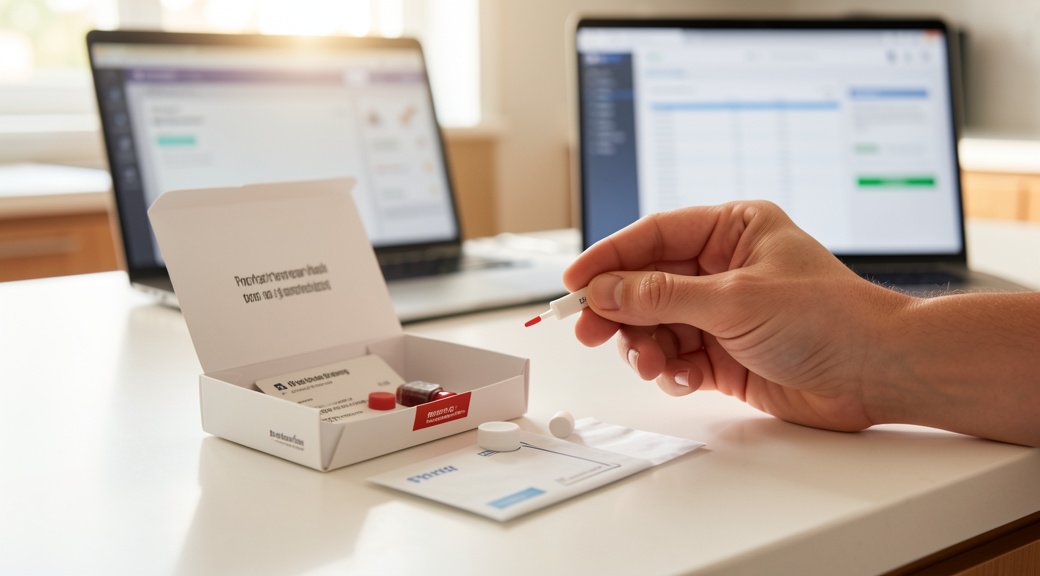
If you are feeling tired, gaining weight unexpectedly, or struggling with brain fog, you may wonder whether your thyroid is to blame. The convenience of an at-home thyroid test kit is appealing. You can collect a sample in private, mail it to a lab, and receive results without a doctor visit. But the critical question remains: how reliable are these kits? Understanding at home thyroid test kit accuracy is essential before you trust the results to guide your health decisions.
At-home thyroid test kits typically measure Thyroid-Stimulating Hormone (TSH), and sometimes T3 and T4, using a finger-prick blood sample. Many are CLIA-certified (Clinical Laboratory Improvement Amendments), meaning the lab meets federal quality standards. However, accuracy depends on several factors including sample quality, handling during shipping, and the specific biomarkers measured. While these kits can provide useful screening data, they are not a substitute for comprehensive diagnostic testing ordered by a healthcare professional.
How At-Home Thyroid Test Kits Work
Most at-home thyroid kits follow a similar process. You order the kit online, receive it in discreet packaging, and prick your finger to collect a few drops of blood on a special card. After drying, you mail the sample to a lab in a prepaid envelope. Within a few days, you receive digital results, often with a reference range. Some services also offer a telemedicine consultation to discuss the findings.
The key advantage is convenience. You avoid scheduling a lab appointment and waiting in a clinic. For people who are busy or prefer privacy, this is a significant benefit. However, the process requires careful adherence to instructions. Factors like improper blood collection, insufficient sample volume, or contamination can affect accuracy. If the sample degrades during transit, the results may be skewed.
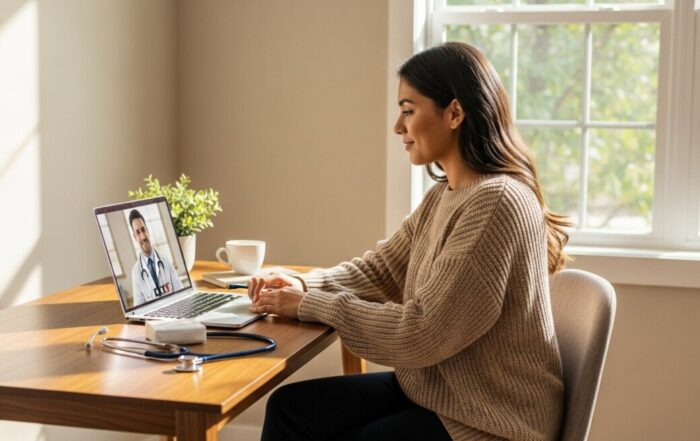
DoctorsHome offers a range of at-home thyroid test kits designed for convenience and reliability, with results reviewed by licensed professionals. This integration of testing with telemedicine helps ensure that your results are interpreted in context.
Factors That Influence Accuracy
Laboratory Certification and Methodology
The most important factor in at home thyroid test kit accuracy is the laboratory used. Reputable companies use CLIA-certified labs that follow rigorous quality control. Some kits use dried blood spot (DBS) testing, which is less invasive than venipuncture but may have slightly different reference ranges. DBS tests are generally reliable for TSH, but may show more variability for T3 and T4 compared to standard serum tests. Always check that the kit specifies the lab’s certification and the method of analysis.
Sample Quality and Handling
Your own technique matters. If you do not clean the finger properly, residual alcohol can dilute the blood. If you squeeze too hard, you may release tissue fluid instead of capillary blood. The blood must fully saturate the collection card and dry completely before sealing. Temperature extremes during shipping can degrade thyroid hormones. Most kits include a desiccant pack and a sealed bag to protect the sample, but delays in mailing can still compromise results.
Biomarkers Measured
Basic kits measure only TSH. While TSH is a good first-line screening tool, it does not tell the whole story. Comprehensive kits include free T4 and free T3, and sometimes thyroid antibodies. Without these additional markers, you might miss a condition like Hashimoto’s thyroiditis (autoimmune) or a conversion problem where T4 is not converting to the active T3. A normal TSH does not rule out all thyroid dysfunction. For a complete picture, a panel is more reliable than a single marker.
Comparing At-Home Kits to Lab Tests
Standard blood draws from a vein (venipuncture) are the gold standard for thyroid testing. They provide larger, more consistent samples and are processed immediately in a laboratory. At-home kits using dried blood spots have been validated in many studies, showing high correlation with venipuncture for TSH. However, the correlation is slightly lower for T3 and T4. The difference is usually small and may not change clinical decisions, but it is worth noting.
Another difference is the reference range. Labs establish ranges based on large populations, and these can vary slightly between labs. At-home kits provide their own reference ranges, which may differ from what your doctor uses. If you are monitoring a known thyroid condition, consistency in the testing method is important. Switching between at-home kits and lab draws can introduce variability that makes trend tracking harder.
For initial screening, at-home kits are reasonably accurate. For diagnosis and ongoing management, many endocrinologists still prefer in-lab testing. However, a growing number of telemedicine platforms combine at-home kits with virtual consultations, bridging the gap. DoctorsHome, for example, offers testing and follow-up care through licensed providers, which can help you act on abnormal results.
When an At-Home Test Is Useful
At-home thyroid test kits are best suited for specific situations. Here are the scenarios where they offer the most value:
- Initial screening: If you have mild symptoms and want to check your TSH before scheduling a doctor visit, a kit can provide a baseline.
- Monitoring after medication adjustment: If your doctor has changed your levothyroxine dose and wants to check your levels in a few weeks, an at-home test can save a trip to the lab.
- Convenience for busy schedules: For people who cannot easily take time off work or who live far from a lab, at-home testing is practical.
- Privacy concerns: Some people prefer not to discuss thyroid issues in public settings, and home testing offers discretion.
Each of these scenarios works best when you have a healthcare provider who can interpret the results and recommend next steps. Without professional guidance, abnormal results can cause unnecessary anxiety or be dismissed incorrectly.
Limitations and Risks
At-home thyroid test kits are not perfect. One major limitation is the lack of clinical context. A single TSH value does not account for factors like pregnancy, recent illness, medications (including biotin), or time of day. TSH levels fluctuate naturally, and a one-time measurement may not reflect your average state. Some kits recommend testing in the morning for this reason, but not everyone follows that advice.
Another risk is false reassurance. A normal result might lead you to ignore persistent symptoms. Conversely, a borderline abnormal result might prompt unnecessary worry or self-medication. Thyroid medications require careful dosing, and taking them without a doctor’s supervision can cause serious side effects like heart palpitations or bone loss.
Finally, not all kits are created equal. Some may use unvalidated methods or lack clear instructions. Always choose a kit from a reputable company that provides transparent information about its lab certification, validation studies, and customer support.
Frequently Asked Questions
Can at-home thyroid tests detect Hashimoto’s disease?
Only if the kit includes thyroid antibody testing (TPO antibodies and thyroglobulin antibodies). Basic TSH-only kits cannot detect autoimmune thyroiditis. If you have a family history of Hashimoto’s, choose a comprehensive panel that includes antibodies.
How accurate are at-home TSH tests compared to lab draws?
Studies show that dried blood spot TSH tests correlate well with venipuncture, typically within 10-15% variability. For screening purposes, this is acceptable. For precise monitoring, in-lab testing is still preferred. Always discuss the results with a healthcare provider.
Do I need to fast before using an at-home thyroid test?
Most kits do not require fasting for TSH. However, biotin supplements can interfere with thyroid hormone assays. Stop taking biotin at least 48 hours before collecting your sample. Check the kit instructions for specific preparation steps.
What should I do if my results are abnormal?
Do not self-treat. Contact a healthcare provider to review the results and order confirmatory testing if needed. Telemedicine services like DoctorsHome can connect you with a licensed professional who can explain the results and recommend appropriate follow-up care.
How much do at-home thyroid test kits cost?
Prices range from $30 to $150 depending on the number of biomarkers included. Some insurance plans may reimburse the cost if ordered by a doctor, but many plans do not cover at-home kits. Check with your provider and insurance company before purchasing.
Making an Informed Choice
At-home thyroid test kits offer a convenient starting point for assessing your thyroid health. Their accuracy is generally good for screening TSH levels, especially when using a CLIA-certified lab and following instructions carefully. However, they have limitations and should not replace professional medical evaluation. A normal result does not guarantee a healthy thyroid, and an abnormal result requires clinical correlation.
If you decide to use an at-home kit, choose one that includes multiple biomarkers and pair it with a telemedicine consultation. This combination gives you the convenience of home collection with the expertise of a licensed provider. For ongoing thyroid management, maintain consistency in your testing method and share all results with your doctor. When used wisely, at-home thyroid testing can be a valuable tool in your wellness routine, but it works best as part of a broader healthcare strategy that includes professional guidance. Learn more
About the Author: David Reynolds




Sign up for our newsletter and Save 20% on Test Kits
"*" indicates required fields