
A Practical Guide to Managing Chronic Conditions for Seniors at Home
A Practical Guide to Managing Chronic Conditions for Seniors at Home
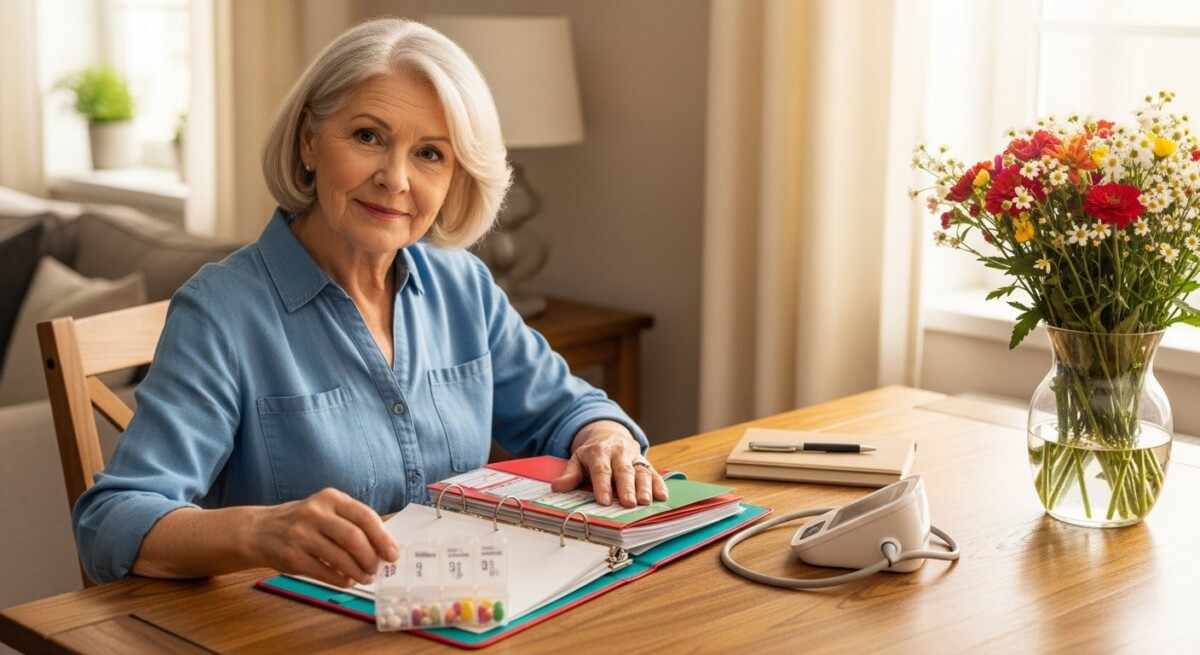
For millions of seniors, aging in place is the ultimate goal, a chance to maintain independence and comfort in familiar surroundings. Yet, this desire often coexists with the reality of managing one or more chronic health conditions, such as diabetes, heart disease, arthritis, or COPD. Successfully navigating this balance requires more than just medication, it demands a proactive, organized, and holistic approach to daily care. This comprehensive guide provides actionable strategies for seniors and their families to create a sustainable, effective system for managing chronic conditions at home, ensuring safety, improving quality of life, and promoting long-term well-being.
Building the Foundation: Organization and Knowledge
The cornerstone of effective chronic disease management is a solid organizational system. Disorganization can lead to missed medications, forgotten symptoms, and poor communication with healthcare providers. Start by creating a centralized health hub. This can be a physical binder or a dedicated digital folder on a secure device. Within this hub, maintain an updated list of all current medications, including dosages and prescribing doctors. Include a log for vital signs like blood pressure, blood sugar, or weight if they are part of the care plan. A simple symptom diary can also be invaluable for tracking patterns and identifying triggers.
Equally important is understanding the conditions themselves. Seniors and their care partners should invest time in learning about the diseases from reputable sources. Knowledge empowers individuals to recognize warning signs, understand the purpose of their treatments, and make informed daily choices. This foundational step transforms passive patients into active participants in their own care.
Medication Management: Safety and Adherence
Medication errors are a leading cause of hospital admissions for older adults. Complex regimens with multiple pills taken at different times create significant risk. Implementing a reliable system is non-negotiable. The gold standard is a weekly pill organizer, filled during a quiet, distraction-free time. For added safety, consider a locked electronic dispenser that alerts when it’s time for a dose and only opens the correct compartment. These tools are especially helpful for those with memory concerns.
Beyond organization, regular medication reviews are critical. At least once a year, or with any change in health status, bring all medications, including over-the-counter drugs and supplements, to a primary care physician or pharmacist. This “brown bag review” can identify dangerous interactions, unnecessary medications, or opportunities to simplify the regimen. Adherence is not just about taking pills, it’s about taking the right pills at the right time, safely.
Leveraging Technology and Telehealth
Modern technology offers unprecedented support for aging in place with chronic illness. Digital tools can bridge gaps in care and provide constant monitoring. Consider these essential categories:
- Health Monitoring Devices: Bluetooth-enabled blood pressure cuffs, glucometers, and pulse oximeters can sync data directly to smartphone apps, creating easy-to-share trends for doctors.
- Personal Emergency Response Systems (PERS): Wearable buttons or fall detection pendants provide immediate access to help, offering peace of mind for seniors living alone.
- Medication Management Apps: Apps can send reminder alerts, track adherence, and provide refill notifications.
- Telehealth Platforms: Virtual visits have become a cornerstone of modern chronic care. They allow for frequent, convenient check-ins without the burden of travel. This model is particularly effective for routine follow-ups, medication adjustments, and basic consultations. For a deeper look at this approach, explore our resource on managing chronic disease with telemedicine as a sustainable care model.
Integrating these technologies creates a connected care ecosystem that supports independence while maintaining a link to professional support.
Creating a Safe and Supportive Home Environment
The physical home must adapt to meet changing health needs. Falls are a major threat to seniors with chronic conditions, often leading to a catastrophic decline. Conduct a thorough home safety assessment. Key modifications include removing loose rugs, ensuring bright lighting (especially on stairs and in bathrooms), installing grab bars in the shower and near the toilet, and using non-slip mats. For those with mobility issues, consider a shower chair and a raised toilet seat. Keep daily necessities within easy reach to avoid straining or using unstable step stools.
Nutrition is another environmental factor. Maintaining a healthy diet tailored to specific conditions (e.g., low-sodium for heart failure, carbohydrate-controlled for diabetes) is a powerful management tool. Simplify meal preparation by using meal delivery services designed for specific dietary needs, or batch cooking and freezing meals when energy is higher. Dehydration is a common and serious risk, so keeping water easily accessible throughout the day is a simple but vital habit.
The Role of Daily Routine and Mental Well-being
Consistency is therapeutic. Establishing and maintaining a daily routine helps regulate sleep, medication timing, meals, and activity. This predictability reduces stress and makes it easier to manage symptoms. Physical activity, tailored to ability and condition, should be a non-negotiable part of this routine. Even short, daily walks or chair exercises can improve cardiovascular health, muscle strength, mood, and flexibility.
Chronic illness management is not solely physical. The psychological burden can be heavy, leading to feelings of isolation, anxiety, or depression. Prioritizing social connection through regular phone calls, visits, or senior center activities is crucial for mental health. Engaging in hobbies, mindfulness practices, or gentle yoga can also significantly reduce stress. Recognizing and addressing mental well-being is as important as managing blood sugar or blood pressure.
Building Your Care Team and Communication Plan
No one should manage a chronic condition alone. A robust care team extends beyond doctors. It includes family members, friends, pharmacists, and possibly home health aides or care managers. Designate a primary family contact and share the health hub information with them. Schedule regular “care team” meetings, even if just by phone, to keep everyone aligned.
Effective communication with healthcare providers is the final critical piece. Before appointments, write down questions and concerns. Bring the symptom diary and medication list. Be honest about challenges with adherence, side effects, or lifestyle changes. A good physician is a partner, but they can only help with the information they are given. Clear, prepared communication ensures that brief office visits are productive and focused on optimizing the care plan.
Managing chronic conditions while aging in place is an ongoing journey, not a single destination. It requires diligence, adaptation, and support. By building a strong foundation of organization, leveraging tools and technology, optimizing the home environment, and fostering a dedicated care team, seniors can confidently navigate their health challenges. The goal is not just to treat disease, but to cultivate a life at home that is safe, fulfilling, and rich in quality, despite the presence of chronic conditions. The path is built one organized pillbox, one safe home modification, and one clear conversation at a time.
About the Author: Robert Hayes


Sign up for our newsletter and Save 20% on Test Kits
"*" indicates required fields