
Telemedicine Across State Lines: Key Patient Rules
Telemedicine Across State Lines: Key Patient Rules
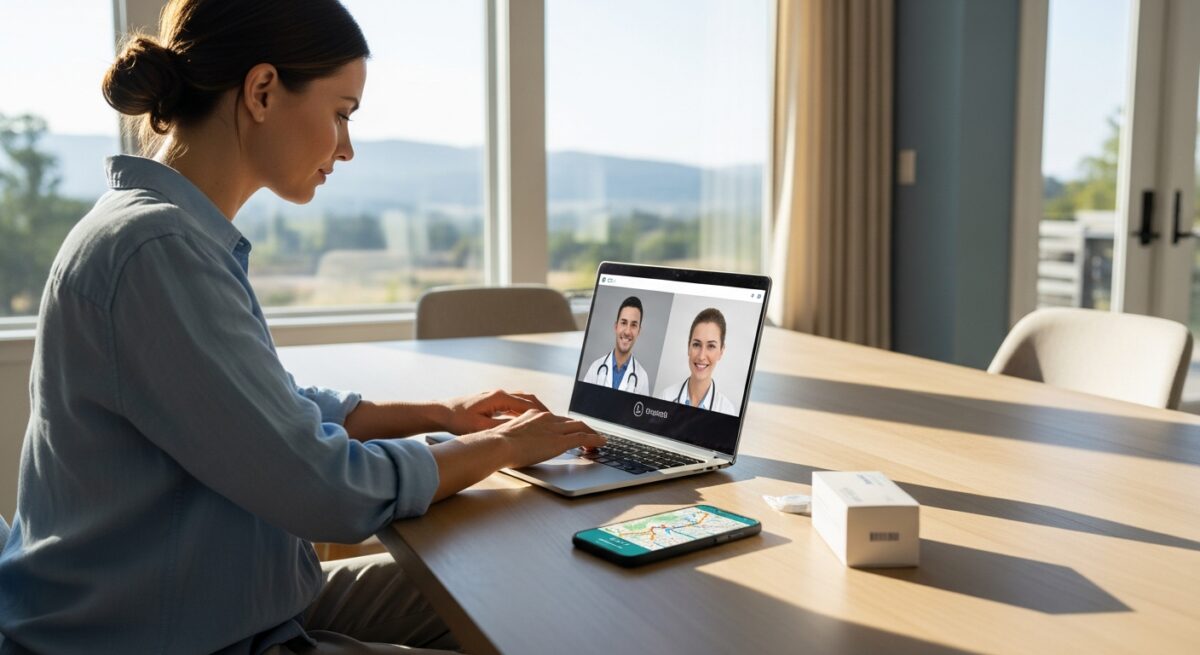
Imagine you are traveling for work, visiting family in another state, or spending the winter in a warmer climate. You develop a sudden eye allergy flare-up or need a refill for a recurring prescription. Your instinct is to open your laptop and connect with a doctor you trust through a telemedicine platform. But then a question stops you: can that doctor treat you if you are physically located in a different state? The answer is not always straightforward, and understanding the rules is essential to avoid delays in care. This article covers telemedicine across state lines what patients should know, including the legal framework, licensing rules, and practical steps to ensure you get the care you need without interruption.
The Licensing Barrier: Why State Lines Matter
In the United States, medical licensing is handled at the state level. A physician licensed in California cannot automatically treat a patient who is physically in Texas. This rule exists because each state sets its own standards for medical practice, and the state medical board wants to protect its residents by ensuring that any doctor treating them meets local requirements. For decades, this system worked fine for in-person visits. But telemedicine has changed the game. Now, a patient might be in one state while their regular doctor is in another, creating a legal gray area.
Telemedicine across states requires the doctor to hold a valid license in the state where the patient is located at the time of the consultation. This is true even if the doctor has never set foot in that state. The rule is based on the patient’s physical location, not the doctor’s location or the state where the patient usually lives. If you are on vacation in Florida and you book a video visit with your primary care doctor who is licensed only in New York, that visit would technically be illegal unless the doctor has a Florida license or uses an interstate compact exception.
The Interstate Medical Licensure Compact (IMLC)
To address this problem, many states have joined the Interstate Medical Licensure Compact (IMLC). This agreement streamlines the process for doctors to obtain licenses in multiple states. As of 2025, over 40 states and territories participate. Under the IMLC, a physician who holds a full license in one member state can apply for expedited licenses in other member states. This does not grant automatic permission to practice across all state lines, but it significantly reduces the administrative burden. For patients, this means that a doctor you see through telemedicine across state lines may be able to treat you in multiple states if they have taken advantage of the compact.
However, not all states participate. Some large states like California and Texas have not joined the IMLC, meaning doctors there must apply for individual licenses in each state where they see patients. This can be costly and time-consuming, which is why many telemedicine platforms limit their services to specific states or require patients to be physically present in a state where the doctor is licensed at the time of the visit.
What This Means for Your Telemedicine Visit
When you schedule a telemedicine appointment, the platform should ask for your current physical location. This is not just a formality. It is a legal requirement that determines whether the doctor can legally treat you. If you tell the platform you are in a state where the doctor is not licensed, the platform will likely cancel the appointment or refer you to a different provider. This can be frustrating, especially if you are in a remote area or need urgent care.
Telemedicine over state lines also affects prescription rules. The Ryan Haight Online Pharmacy Consumer Protection Act requires that a doctor conduct at least one in-person medical evaluation before prescribing controlled substances, unless a valid telemedicine exception applies. During the COVID-19 public health emergency, these rules were relaxed, allowing doctors to prescribe controlled substances via telehealth without an in-person visit. Many of those flexibilities were made permanent or extended through 2025, but the rules vary by state. For non-controlled medications like those for eye allergies or herpes virus, the requirements are less strict, but the doctor must still be licensed in the patient’s state.
Here are the key factors that determine whether your telemedicine visit will proceed smoothly across state lines:
- Doctor’s state licenses: Check whether the doctor holds a license in the state where you are physically located. Many telemedicine platforms list which states they serve.
- Your physical location: You must be in a state where the doctor is licensed at the time of the visit. Lying about your location can result in denial of care or legal issues.
- Type of medication: Controlled substances have stricter rules. Non-controlled prescriptions are easier to obtain via telemedicine across states.
- Platform policies: Each telemedicine provider sets its own rules. Some require you to be in a specific state, while others use a network of doctors licensed nationwide.
Understanding these factors before you book an appointment can save you time and frustration. If you are a frequent traveler or spend part of the year in a different state, it is wise to ask your regular provider whether they hold licenses in the states you visit. Some doctors maintain licenses in multiple states specifically to serve patients who travel.
How Telemedicine Platforms Handle State Lines
Telemedicine companies like DoctorsHome have built their services around these legal realities. They employ networks of licensed physicians who collectively hold licenses in many states. When you fill out an online form, the platform determines your location and matches you with a doctor who is licensed to practice there. This is why the process is often seamless: you do not need to worry about the doctor’s credentials because the platform handles the compliance behind the scenes.
For example, if you are in Michigan and need a prescription for an eye allergy medication, DoctorsHome will route your case to a physician who holds a Michigan medical license. The same applies if you are in Texas, Florida, or any other state the platform serves. This approach allows patients to receive care for conditions like herpes virus or eye allergies without the hassle of finding a local doctor who accepts telehealth. The platform also offers at-home testing kits for a variety of conditions, and these kits can be shipped to most states regardless of the patient’s location.
However, there are limits. Some states have specific telemedicine laws that require a prior in-person relationship with the doctor or restrict the types of conditions that can be treated online. For instance, a few states mandate that the doctor must have examined the patient in person at least once before prescribing certain medications. Telemedicine across state lines becomes more complex in these states because the doctor may need to refer the patient to a local provider for an initial visit.
Practical Steps for Patients Receiving Care Across State Lines
Whether you are a snowbird, a college student studying out of state, or a business traveler, you can take proactive steps to ensure uninterrupted access to telemedicine. First, verify the licensing coverage of your telemedicine platform. Most platforms have a page listing the states where they can provide care. If you plan to travel, check this list before you leave. Second, keep your address and location information up to date in your patient profile. If you move or travel, update the platform so that the system can match you with the correct doctor.
Third, understand the prescription delivery rules. Some medications can be shipped across state lines, but others may be restricted by state pharmacy laws. DoctorsHome delivers prescriptions and test kits via pharmacy within 2 to 5 business days, and the packages are discreet with no signature required. This process works for most states, but if you are in a remote area or a state with strict pharmacy regulations, there may be delays. Planning ahead is essential.
In our guide on telehealth across state lines key rules for patients, we explain how to navigate these challenges and what documentation you may need. Additionally, if you need to secure financing for healthcare expenses, you can explore options such as auto loan refinancing to free up funds for medical costs, though this is separate from the telemedicine process itself.
Frequently Asked Questions
Can I use telemedicine while traveling in another state?
Yes, but only if the doctor is licensed in the state where you are physically located. Most telemedicine platforms can match you with a licensed provider in that state, but you should confirm coverage before your appointment.
Do I need to tell the telemedicine platform my exact location?
Yes. The platform needs your current physical address to ensure the doctor is legally allowed to treat you. Providing false information can lead to denial of care or legal consequences.
What happens if my doctor is not licensed in the state I am in?
The platform will typically cancel the appointment or refer you to a different doctor who holds a license in that state. Some platforms may allow the doctor to consult with you if an interstate compact exception applies.
Are there exceptions for emergencies?
In genuine emergencies, many states have laws that allow out-of-state doctors to provide telemedicine care without a license, but this is limited to the duration of the emergency. For routine care, the standard licensing rules apply.
Staying Informed and Prepared
The rules governing telemedicine across state lines are evolving. New state laws, changes to the Interstate Medical Licensure Compact, and federal updates can all affect your ability to receive care. Patients who travel frequently or live in multiple states should periodically review the licensing policies of their telemedicine provider. Keeping your contact information current and understanding the limitations of telemedicine over state lines will help you get the care you need without surprises. By staying informed, you can continue to enjoy the convenience of virtual healthcare no matter where your travels take you.
About the Author: Megan Patel




Sign up for our newsletter and Save 20% on Test Kits
"*" indicates required fields