
How Electronic Health Records Transform Healthcare
How Electronic Health Records Transform Healthcare
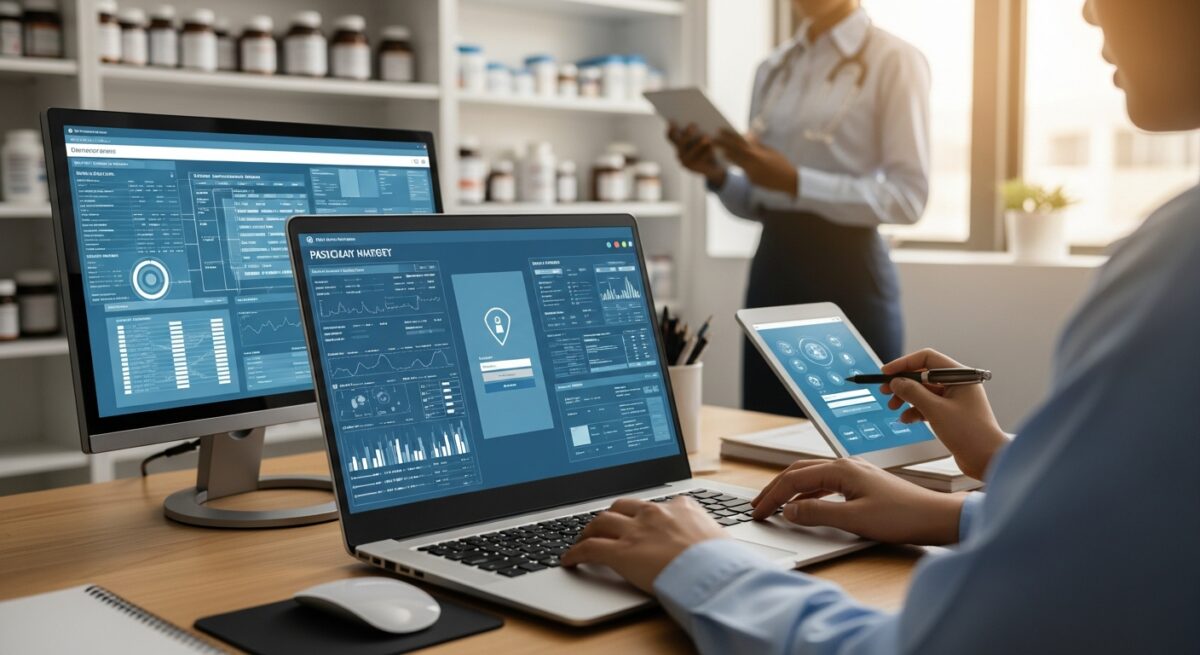
The shift from paper-based medical files to digital systems has fundamentally changed how patient information is stored, accessed, and used. Electronic health records (EHRs) are now the backbone of modern medicine, enabling faster diagnoses, safer prescriptions, and more coordinated care. But what exactly are these systems, and why do they matter to patients and providers alike? This article breaks down electronic health records in healthcare explained in clear terms, covering their core functions, real-world benefits, and the practical impact on hospital workflows. Whether you are a healthcare professional or a patient curious about your own medical data, understanding EHRs helps you navigate the evolving landscape of digital health.
What Are Electronic Health Records?
An electronic health record is a digital version of a patient’s medical history, maintained over time by a specific healthcare provider or network. Unlike an electronic medical record (EMR), which is limited to a single practice or clinic, an EHR is designed to be shared across different healthcare organizations. This means your primary care doctor, a specialist, an emergency room, and even a telemedicine platform like DoctorsHome can access the same up-to-date information if authorized.
EHRs contain far more than basic demographics and visit notes. They include comprehensive data such as diagnoses, medications, immunization dates, radiology images, lab results, and even advance directives. An EHR system is built to support clinical decision-making through alerts, reminders, and integrated evidence-based guidelines. This makes it a powerful tool for improving patient safety and care quality.
Key Features of Modern EHR Systems
Modern EHR platforms are not just digital filing cabinets. They are complex software systems that interact with nearly every aspect of clinical operations. Understanding their core features helps explain why adoption of electronic health records in hospitals has become a national priority.
1. Patient Portal Integration
A patient portal allows individuals to view their own health records, request prescription refills, schedule appointments, and communicate securely with their care team. This feature empowers patients to take a more active role in their health management. For telemedicine services, the portal becomes the primary way patients submit intake forms and receive test results, creating a seamless digital experience from consultation to follow-up.
2. Computerized Provider Order Entry (CPOE)
CPOE is the process by which healthcare providers enter medical orders directly into the EHR system instead of writing them on paper. This includes orders for medications, lab tests, and imaging studies. CPOE reduces errors caused by illegible handwriting and ambiguous abbreviations. When combined with clinical decision support, it can alert a doctor to potential drug interactions, allergies, or duplicate orders before they reach the patient.
3. Clinical Decision Support (CDS)
CDS tools provide clinicians with real-time, evidence-based guidance at the point of care. For example, if a physician prescribes an antibiotic for a patient with a known allergy, the system can flag the order and suggest an alternative. CDS can also prompt reminders for preventive care, such as vaccinations or cancer screenings, based on the patient’s age, gender, and medical history.
4. Interoperability and Health Information Exchange (HIE)
Interoperability refers to the ability of different EHR systems to communicate and share data with one another. Health Information Exchange networks enable hospitals, labs, pharmacies, and clinics to exchange patient records securely. This is especially critical in emergency situations where a patient’s medical history may not be available from a single source.
Benefits of Electronic Health Records in Hospitals
The adoption of electronic health records in hospitals has brought measurable improvements to patient care and operational efficiency. Below are some of the most significant advantages supported by research and real-world implementation.
- Reduced medication errors: EHRs with CPOE and CDS have been shown to cut adverse drug events by more than 50% in some hospital settings.
- Improved care coordination: When a patient is transferred from an emergency department to a specialist, the receiving physician can instantly access notes, lab results, and imaging reports.
- Enhanced patient engagement: Portals give patients direct access to their records, which increases understanding of their conditions and adherence to treatment plans.
- Streamlined billing and coding: Automated coding tools help hospitals capture accurate diagnoses and procedures, reducing claim denials and speeding up reimbursement.
These benefits contribute to both better health outcomes and lower operational costs. For example, by reducing duplicate testing and eliminating paper-based filing, hospitals can redirect resources toward direct patient care. A study from the Journal of the American Medical Informatics Association found that hospitals with advanced EHR systems had 30% lower mortality rates for certain conditions compared to those still relying on paper records.
How EHRs Support Telemedicine and Remote Care
Telemedicine has grown rapidly, and electronic health records are a critical enabler of this shift. When a patient consults with a doctor through a platform like DoctorsHome, the provider needs access to the patient’s history to make informed decisions. EHRs make this possible by storing data in a structured, searchable format that can be securely accessed from any location.
For example, a patient with recurrent herpes simplex virus (HSV) can use an online consultation to request a prescription refill. The telemedicine provider can review the patient’s previous diagnoses, medication history, and any allergies documented in the EHR. This eliminates the need for a physical exam for routine follow-ups and ensures continuity of care. Similarly, at-home testing kits for conditions like vitamin D deficiency or thyroid function can be ordered through the portal, with results automatically uploaded to the patient’s record for review.
For more on how telemedicine integrates with digital health records, see our detailed overview of electronic health records in healthcare explained.
Challenges and Considerations in EHR Implementation
Despite the clear advantages, rolling out an EHR system is not without obstacles. Hospitals and clinics often face significant upfront costs, training burdens, and workflow disruptions during the transition period.
Financial and Time Investment
The cost of purchasing and implementing a comprehensive EHR can range from tens of thousands to millions of dollars depending on the size of the organization. Beyond software licenses, there are expenses for hardware, network infrastructure, data migration, and ongoing maintenance. Many smaller practices struggle to justify these costs without government incentives or subsidies.
Data Privacy and Security Risks
With digital records comes the risk of data breaches. Healthcare data is highly valuable on the black market, and hospitals are frequent targets for ransomware attacks. EHR systems must comply with strict regulations like HIPAA in the United States, which mandate encryption, access controls, and audit trails. Patients also have the right to request copies of their records and to be informed about how their data is shared.
User Burnout and Training Gaps
Physicians and nurses often report that poorly designed EHR interfaces contribute to burnout. Excessive clicking, unintuitive navigation, and data entry requirements can add hours to a clinician’s day. Effective training programs and workflow customization are essential to minimize frustration and ensure the system supports rather than hinders patient care.
Future Trends in Electronic Health Records
The next generation of EHRs will likely incorporate artificial intelligence (AI), predictive analytics, and greater patient control over data. AI algorithms can scan millions of records to identify patterns that help diagnose diseases earlier or predict patient deterioration. For example, an AI model might flag a patient’s lab results and vital signs to suggest the onset of sepsis hours before clinical symptoms appear.
Another emerging trend is the use of blockchain technology for secure, decentralized health data management. This could give patients true ownership of their medical records and allow them to grant temporary access to providers as needed. Meanwhile, interoperability standards like FHIR (Fast Healthcare Interoperability Resources) are making it easier for different systems to exchange data in real time.
At-home testing kits from services like DoctorsHome will also become more tightly integrated with EHRs. When a patient receives a test kit for markers like C-reactive protein or hemoglobin A1c, the results can be automatically sent to their primary care provider’s EHR, enabling proactive management of chronic conditions without an office visit.
Practical Steps for Patients: How to Use Your EHR
If you are a patient, your EHR can be a powerful tool for managing your health. Here are a few steps you can take today to make the most of it.
- Create and verify your patient portal account. Most hospitals and large clinics offer free portal access. Make sure your email and phone number are up to date so you receive notifications about new results or messages.
- Review your medication list. Check that all current prescriptions, dosages, and frequencies are accurately recorded. This is especially important if you see multiple providers.
- Request corrections if you find errors. You have the right under HIPAA to amend your health record if you spot incorrect information, such as a wrong allergy or a mislabeled diagnosis.
- Share access with family members or caregivers. Many portals allow you to grant proxy access to a trusted person who can help manage appointments and medications on your behalf.
By staying engaged with your electronic health record, you reduce the risk of medical errors and ensure that every provider you see has a complete picture of your health history.
Integrating EHRs with Personal Health and Financial Wellness
Managing your health involves more than just clinical data. Financial stress can directly impact your well-being, and many patients find that coordinating medical bills and insurance claims adds another layer of complexity. Just as EHRs streamline clinical information, digital tools for financial management can help you maintain stability. For example, if you are looking to reduce monthly expenses, exploring options like car loan refinancing might free up funds for healthcare costs or insurance premiums. A holistic approach to wellness considers both physical health and financial resilience.
The same principle applies to telemedicine platforms. When you use a service like DoctorsHome for a virtual consultation or an at-home test kit, you are already reducing the time and travel costs associated with traditional office visits. Pairing that convenience with smart financial decisions creates a sustainable framework for long-term health management.
Electronic health records are not just a technological upgrade. They represent a fundamental shift toward more connected, patient-centered care. As these systems continue to evolve, they will play an even greater role in bridging the gap between in-person treatment and remote services, ultimately making healthcare more accessible and safer for everyone.
About the Author: Anthony Collins





Sign up for our newsletter and Save 20% on Test Kits
"*" indicates required fields