Free Online Medical Questions and Answers: Safe Guidance

Free Online Medical Questions and Answers: Safe Guidance

When a health concern arises in the middle of the night or on a busy workday, waiting for a doctor’s appointment can feel impossible. Many people now turn to the internet for quick answers, but finding reliable, free online medical questions and answers can be a challenge. This article explores how to access trustworthy health information online, what to ask, and when to seek professional care. We will also look at how platforms like DoctorsHome provide a bridge between general online advice and actual medical treatment.

Why People Seek Free Online Medical Advice

The search for medical questions and answers free of charge has grown significantly in recent years. Convenience is a major factor. A person can type symptoms into a search engine at any hour and receive thousands of results within seconds. This immediacy offers reassurance for minor concerns and helps users decide whether a condition requires urgent care.

Cost is another powerful driver. Traditional healthcare visits can involve copays, transportation expenses, and time off work. Free online medical advice removes these barriers, making basic health information accessible to everyone regardless of income or insurance status. However, the quality of free advice varies widely. A general web search might return results from reputable medical journals, personal blogs, or unverified forums. Understanding how to filter this information is essential for making safe health decisions.

How to Find Reliable Free Online Medical Questions and Answers

Not all sources are created equal. To get accurate answers, you must know where to look. Government health agencies, major medical institutions, and licensed telemedicine platforms are your best bets. These sources employ or consult with medical professionals to ensure the information is current and evidence-based.

When evaluating a website for health advice, consider these criteria:

  • Attribution and credentials: Look for articles written or reviewed by doctors, nurses, or other licensed healthcare providers. Anonymous posts should be treated with caution.
  • Date of publication: Medical knowledge evolves quickly. Information more than two or three years old may be outdated, especially regarding treatments and medications.
  • Transparency about limitations: Trustworthy sites clearly state that their content is for informational purposes only and does not replace a professional medical consultation.
  • No conflict of interest: Be wary of sites that push specific products or supplements without a balanced discussion of alternatives.

Using these filters helps you separate helpful guidance from misleading or dangerous content. Even with reliable sources, remember that online advice cannot examine you, run tests, or understand your full medical history. It serves as a starting point, not a final diagnosis.

Common Questions People Ask Online

People search for free online medical questions and answers for a wide range of topics. Some of the most frequent categories include symptom checkers, medication side effects, and home remedies for common illnesses. For example, someone might ask about the difference between a cold and allergies, or whether a headache warrants a trip to the emergency room.

Another popular area involves prescription medications. Users want to know how a drug works, what side effects to expect, and whether it interacts with other medicines they take. While general answers can be found online, individual factors like age, weight, liver function, and other conditions can change the answer. This is why a live consultation with a licensed provider remains the gold standard for medication guidance.

Sexual health and reproductive questions are also very common. Stigma and embarrassment often prevent people from discussing these issues with their regular doctor. Anonymous online platforms allow users to ask sensitive questions without fear of judgment. Topics like herpes virus symptoms, testing options, and treatment plans are frequently searched. Platforms like DoctorsHome address this need by offering discreet consultations and prescription services for conditions such as herpes and eye allergies, all from the privacy of home.

The Limits of General Online Advice

While free online medical advice is valuable, it has clear boundaries. No website can perform a physical exam, listen to your heart or lungs, or review laboratory results in real time. For complex or urgent symptoms, relying solely on internet research can delay proper treatment. Chest pain, sudden severe headache, difficulty breathing, and signs of stroke or heart attack require immediate emergency care, not a web search.

Even for non-emergency issues, online advice can be misleading. Two different people searching “rash on arm” might get the same general answer, but one could have contact dermatitis while the other has shingles. Treatment for these conditions is completely different. A doctor’s assessment considers your specific history, appearance of the rash, and other symptoms. This personalized evaluation is something no article or chatbot can replicate.

Another limitation is the risk of self-misdiagnosis. When people read about a condition, they often assume their symptoms match the worst-case scenario. This can cause unnecessary anxiety or, conversely, lead someone to dismiss a serious condition because their symptoms don’t exactly match what they read. A professional consultation provides clarity and peace of mind that general information cannot offer.

When Free Information Becomes a Stepping Stone to Care

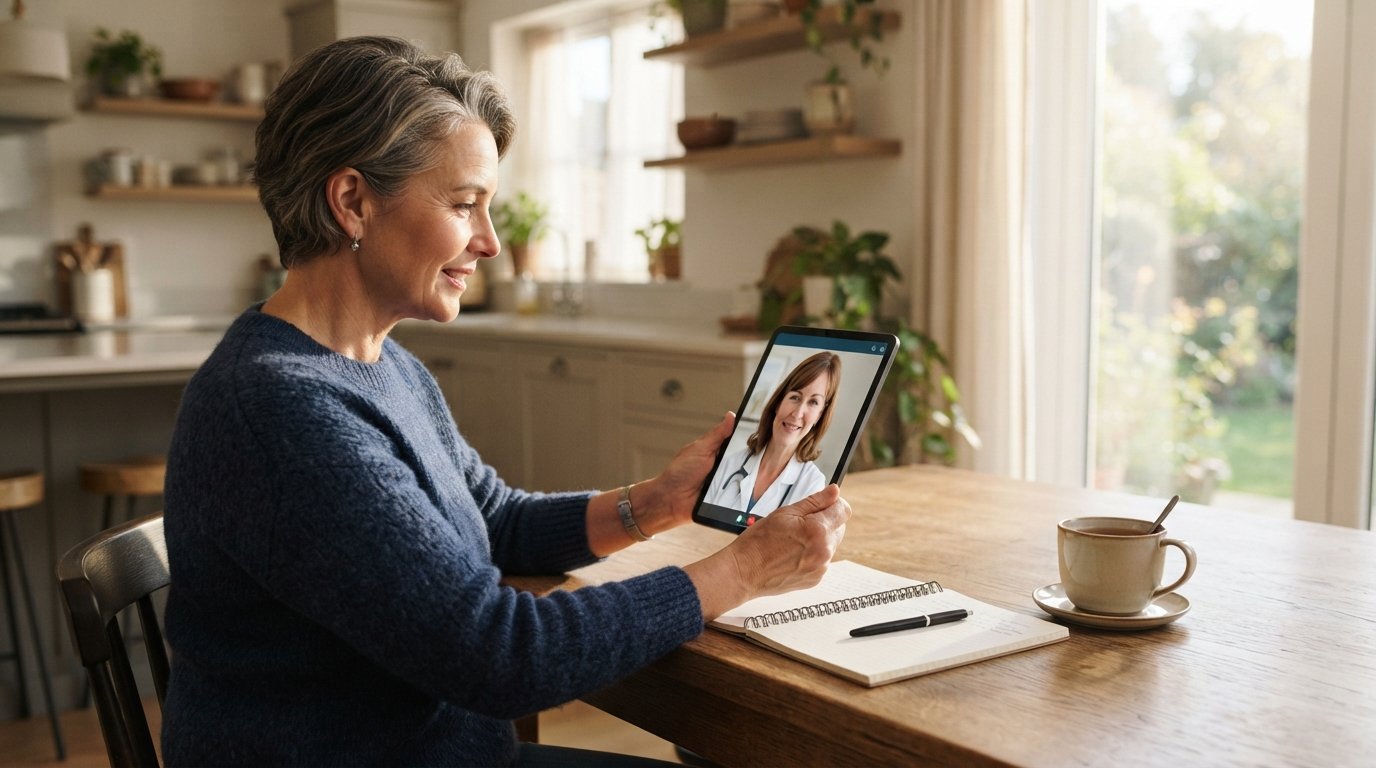
The best use of free online medical questions and answers is as a first step toward informed action. After reading general advice, you may decide to monitor your symptoms, try a home remedy, or schedule a virtual visit. Telemedicine platforms like DoctorsHome make this transition seamless. You can start by reading about a condition on their blog, then fill out a quick online form to speak with a licensed professional who can provide a diagnosis and, if appropriate, prescribe medication.

This model combines the best of both worlds. You get the convenience and low cost of online information, plus the safety and accuracy of professional medical care. For example, if you learn that your symptoms align with an eye allergy, you can use DoctorsHome’s eye allergy prescription medication service to talk to a doctor and get treatment delivered to your door in discreet packaging within two to five business days. The same applies to herpes virus management, where ongoing prescription refills can be handled remotely.

Free Online Medical Questions and Answers: Safe Guidance — Free Online Medical Questions and Answers

This approach also supports chronic condition management. Patients with ongoing needs like thyroid issues, vitamin deficiencies, or high cholesterol can use at-home testing kits to monitor their levels. After receiving results, they can consult with a doctor online to discuss adjustments to their treatment plan. This saves time and reduces the hassle of frequent lab visits.

How to Ask Effective Medical Questions Online

Getting the most out of online health resources requires asking good questions. Vague inquiries like “I feel sick” yield vague answers. Instead, be specific about your symptoms, their duration, and any factors that make them better or worse. For instance, asking “What could cause a persistent dry cough that gets worse at night and is accompanied by heartburn?” is more likely to produce a helpful response than “Why am I coughing?”

When using a telemedicine service, you will typically fill out a detailed intake form. Take time to provide accurate information about your medical history, current medications, and allergies. This data allows the doctor to give you personalized advice. The more complete your information, the better the care you will receive.

For those seeking medical questions and answers free on public forums, consider the source of the response. A reply from a verified healthcare professional carries more weight than advice from an anonymous user. Some platforms now use badges or verification systems to identify doctors and nurses. Look for these indicators before following any treatment suggestions.

Integrating Online Advice with Telemedicine Services

Many people begin their healthcare journey with a simple search. They read about symptoms, learn about treatment options, and then decide on next steps. Telemedicine bridges the gap between general information and specific care. Instead of trying to treat yourself based on something you read, you can use that knowledge to have a more productive conversation with a doctor.

For example, you might read about the benefits of vitamin B12 testing and decide to order an at-home test kit from DoctorsHome. Once your results arrive, you can schedule a virtual visit to discuss them. The doctor can explain what the numbers mean and recommend dietary changes or supplements if needed. This combination of self-education and professional oversight leads to better health outcomes.

It is also worth noting that telemedicine platforms often have their own educational content. The DoctorsHome blog offers articles on telemedicine in the United States, treatment options for specific conditions, and wellness tips. Reading these articles can help you understand what services are available and how to use them effectively. In our guide on free online medical answers, we explain how to identify trustworthy sources and when to transition from reading to booking a consultation.

Frequently Asked Questions

Is it safe to use free online medical questions and answers?

It can be safe if you use reputable sources like government health sites, major medical institutions, and licensed telemedicine platforms. Always verify the credentials of the person providing the answer. Never use online advice as a substitute for emergency care or a professional diagnosis.

Can I get a prescription from a free online medical question service?

No. Free question-and-answer sites provide general information only. To obtain a prescription, you must consult with a licensed healthcare provider who can evaluate your specific condition. Telemedicine platforms like DoctorsHome offer this service through a paid consultation process.

What types of conditions can be treated through online telemedicine?

Many common conditions can be managed virtually, including allergies, herpes virus, urinary tract infections, sinus infections, and skin rashes. Chronic conditions like high blood pressure, diabetes, and thyroid disorders can also be monitored through online visits combined with at-home testing kits. Emergency conditions always require in-person care.

How do I know if I need to see a doctor instead of searching online?

If your symptoms are severe, persistent, or worsening, you should see a doctor. Warning signs include high fever, unexplained weight loss, severe pain, shortness of breath, confusion, or bleeding that will not stop. For milder symptoms that last more than a few days, a telemedicine visit is a reasonable next step.

Are at-home medical test kits as accurate as lab tests?

Many at-home test kits are highly accurate when used correctly. They are processed by certified laboratories. However, they are best used for screening and monitoring rather than initial diagnosis. Always discuss results with a healthcare provider to determine the appropriate treatment or follow-up.

Free online medical questions and answers provide a valuable starting point for managing your health. They offer convenience, privacy, and cost savings. However, they work best when combined with professional care from licensed providers. By using reliable sources for information and platforms like DoctorsHome for actual treatment, you can make informed decisions and get the care you need without unnecessary delay or expense. Remember that your health is too important to leave to guesswork. Use online resources wisely, and consult a doctor when your instincts say something is wrong. Learn more

About the Author: James Patel

James Patel
As a healthcare journalist, I explore how telemedicine is reshaping access to care, from virtual consultations for conditions like herpes and eye allergies to the convenience of at-home testing kits. My goal is to help readers understand the practical steps of managing their health remotely, whether that means filling out an online form or receiving discreet pharmacy delivery. I draw on my background covering digital health innovation and patient advocacy to break down complex topics into clear, actionable information. You won't find medical advice here,just a straightforward look at how platforms like DoctorsHome are making healthcare more private, efficient, and accessible for people across the United States.

Sign up for our newsletter and Save 20% on Test Kits

"*" indicates required fields

This field is hidden when viewing the form