
Top Foods That Help You Sleep Better at Night
Top Foods That Help You Sleep Better at Night
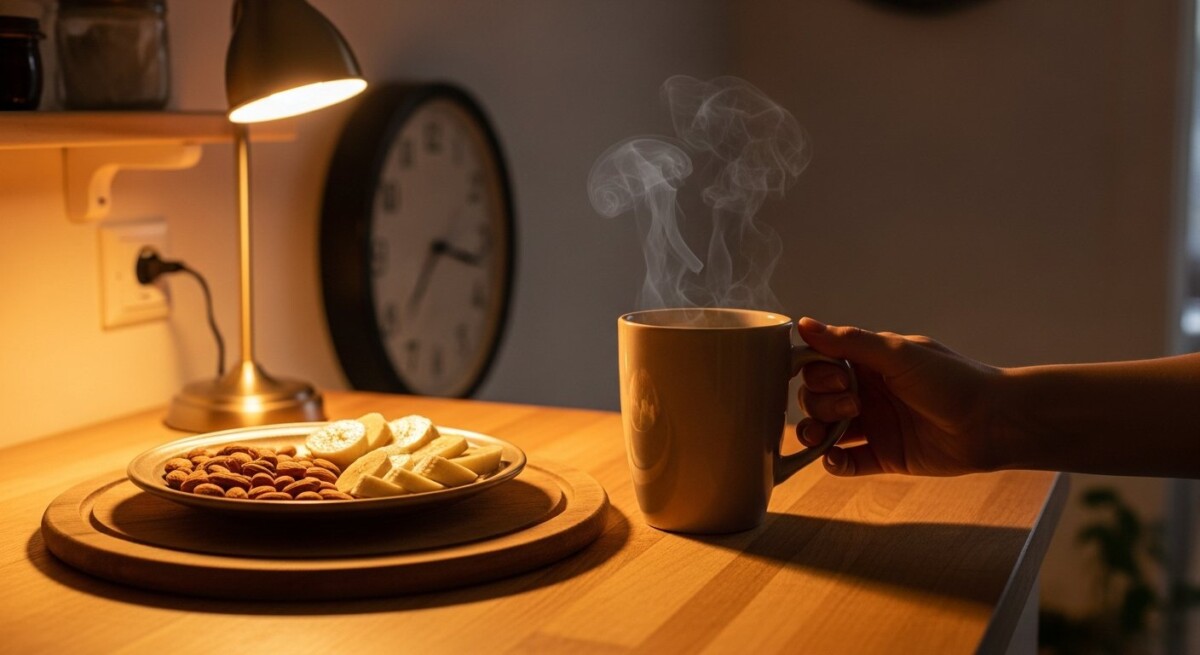
Struggling to fall asleep or stay asleep through the night is a common complaint that affects millions of people. While many factors influence sleep quality, from stress levels to room temperature, the food you eat plays a surprisingly powerful role. What you consume in the hours before bed can either set the stage for deep, restorative rest or leave you tossing and turning. This article explores the science-backed foods that help you sleep better, why they work, and how to incorporate them into your evening routine for more consistent, high-quality sleep.
The Science of Sleep and Nutrition
Your body follows a natural 24-hour cycle known as the circadian rhythm. This internal clock regulates the release of hormones like melatonin, which signals that it is time to sleep. Certain nutrients directly support this process. For example, tryptophan is an amino acid that your body converts into serotonin and then into melatonin. Other nutrients, such as magnesium and calcium, help relax muscles and calm the nervous system. Eating the right combination of foods can gently nudge your body into sleep mode without the need for supplements or medications.
It is also important to understand that the timing and size of your last meal matter. A heavy, greasy meal right before bed can cause indigestion and disrupt sleep. Conversely, going to bed hungry can keep you awake. The goal is a light, nutrient-dense snack about 60 to 90 minutes before you plan to sleep. This approach gives your body enough time to begin digestion while providing the raw materials it needs for sleep chemistry.
Key Nutrients for Better Sleep
Before we look at specific foods, it helps to know which nutrients to prioritize. The following compounds have strong research backing their role in sleep support.
Melatonin
Melatonin is the hormone that regulates your sleep-wake cycle. While your body produces it naturally, certain foods contain melatonin or compounds that boost its production. Tart cherries are one of the richest natural sources.
Magnesium
Magnesium helps activate the parasympathetic nervous system, which is responsible for relaxation. It also binds to GABA receptors in the brain, promoting calmness. Low magnesium levels are linked to insomnia and restless sleep.
Tryptophan
This essential amino acid is a precursor to serotonin and melatonin. Foods high in tryptophan can help increase the availability of these sleep-inducing compounds in your brain.
Potassium and Calcium
These minerals help muscles relax and may reduce nighttime cramps. Calcium also helps the brain use tryptophan to manufacture melatonin.
Top Foods That Help You Sleep Better
Now let us examine the most effective foods to include in your evening diet. These are backed by research and easy to add to your routine.
Tart Cherries and Cherry Juice
Tart cherries are one of the few natural food sources of melatonin. Studies have shown that drinking tart cherry juice can increase melatonin levels and improve sleep duration and quality. Participants in one study who drank tart cherry juice for two weeks experienced significant improvements in sleep efficiency and reduced insomnia severity. A small glass of unsweetened tart cherry juice an hour before bed is a simple and effective strategy.
Bananas
Bananas are a triple threat for sleep. They contain magnesium, potassium, and tryptophan. The potassium helps relax muscles, while the magnesium supports GABA activity. The natural sugars in a banana can also help shuttle tryptophan into the brain more effectively. Eating a banana alone or sliced into a bowl of yogurt makes a great pre-bed snack.
Almonds and Walnuts
Nuts are nutrient-dense sleep aids. Almonds are a good source of magnesium and provide protein to stabilize blood sugar overnight. Walnuts are unique because they contain their own source of melatonin. A small handful of almonds or walnuts (about one ounce) is enough to provide benefits without adding too many calories late in the day.
Fatty Fish
Fish like salmon, tuna, and mackerel are rich in vitamin D and omega-3 fatty acids. These nutrients help regulate serotonin, and omega-3s have been linked to better sleep quality. A study published in the Journal of Clinical Sleep Medicine found that eating fatty fish three times per week led to better overall sleep and daily functioning. While fish is typically a dinner food, aim to have it earlier in the evening rather than right before bed to avoid digestive discomfort.
Kiwi
Kiwis are packed with serotonin, vitamin C, and antioxidants. Multiple studies have shown that eating two kiwis one hour before bed can improve sleep onset, duration, and efficiency. The exact mechanism is not fully understood, but the combination of serotonin and anti-inflammatory compounds likely plays a role. Kiwis are easy to digest and make a sweet, refreshing evening snack.
Turkey and Lean Poultry
Turkey is famously high in tryptophan, which is why many people feel sleepy after a Thanksgiving meal. However, the effect is subtle and works best when combined with carbohydrates. A small turkey or chicken sandwich on whole-grain bread can help deliver tryptophan to the brain. Keep the portion small to avoid overloading your digestive system.
Warm Milk and Dairy Products
The old remedy of a warm glass of milk has some science behind it. Milk contains tryptophan and calcium. Calcium helps the brain use tryptophan to produce melatonin. Yogurt and cheese also provide these nutrients. If you tolerate dairy well, a small bowl of plain yogurt or a warm glass of milk can be a soothing bedtime ritual. For those who are lactose intolerant, lactose-free milk or plant-based alternatives fortified with calcium can work as substitutes.
Oatmeal
A small bowl of oatmeal made with milk is a balanced pre-sleep snack. Oats are a source of complex carbohydrates, which can help transport tryptophan into the brain. They also provide melatonin and B vitamins that support nerve function. Avoid instant oats with added sugar; stick to rolled or steel-cut oats for a slower release of energy.
Foods to Avoid Before Bed
Just as some foods promote sleep, others can sabotage it. Steering clear of these items in the two to three hours before bed is just as important as eating the right ones.
- Caffeine: This stimulant can stay in your system for six to eight hours. Avoid coffee, black tea, green tea, soda, and chocolate in the late afternoon and evening.
- Spicy Foods: Capsaicin, the compound that makes foods hot, can raise body temperature and cause heartburn, both of which interfere with sleep.
- High-Fat and Fried Foods: These take longer to digest and can cause acid reflux or bloating, making it hard to fall asleep comfortably.
- Sugar and Refined Carbs: Foods like candy, pastries, and white bread cause blood sugar spikes and crashes. A rapid drop in blood sugar can wake you up in the middle of the night.
- Alcohol: While alcohol can make you feel drowsy initially, it disrupts the sleep cycle and reduces REM sleep, leading to a less restorative rest.
If you are managing conditions that affect your sleep, it is wise to consult a healthcare professional. For example, if you experience chronic insomnia or sleep disturbances, a telemedicine consultation can help identify underlying causes. You can learn more about how to address sleep issues through convenient online care by reading our guide on 7 Foods That Lower Blood Pressure Naturally, as blood pressure regulation is closely tied to sleep quality.
How to Build a Sleep-Friendly Evening Meal
Creating a meal plan that supports sleep does not require a complete diet overhaul. Focus on combining a source of tryptophan with a complex carbohydrate. This combination helps the tryptophan cross the blood-brain barrier more effectively. Here are a few simple ideas.
Dinner Ideas
For your main evening meal, aim for a balance of lean protein, healthy fats, and vegetables. A baked salmon fillet with roasted sweet potatoes and steamed broccoli provides omega-3s, complex carbs, and fiber. A turkey stir-fry with brown rice and leafy greens is another excellent option. Keep portions moderate to avoid feeling overly full.
Pre-Bed Snacks
About one hour before bed, choose one of these small snacks:
- A banana with a tablespoon of almond butter
- A small bowl of plain yogurt with sliced kiwi
- A handful of walnuts and a few dark chocolate chips (low sugar)
- A small glass of tart cherry juice
- Half a turkey sandwich on whole-wheat bread
Each of these snacks takes less than five minutes to prepare and provides the key nutrients discussed earlier.
Lifestyle Factors That Amplify the Benefits
Food alone cannot fix poor sleep hygiene. For the best results, pair these dietary changes with good sleep habits. Keep a consistent sleep schedule, even on weekends. Make your bedroom dark, quiet, and cool. Limit screen time for at least 30 minutes before bed, as blue light suppresses melatonin production. Gentle stretching or reading a physical book can help signal to your body that it is time to wind down.
Stress management is also critical. High cortisol levels interfere with melatonin production. Practices like deep breathing, meditation, or journaling can lower cortisol and make it easier for your body to transition to sleep. If stress or anxiety is keeping you awake, consider speaking with a licensed professional through a telehealth platform for guidance.
Frequently Asked Questions About Sleep and Diet
Can eating too close to bedtime hurt sleep?
Yes, eating a large meal within two hours of bed can cause indigestion and acid reflux. However, a small, nutrient-dense snack can actually help sleep. The key is portion control and choosing the right foods.
Are supplements necessary for better sleep?
Not for most people. Whole foods provide a complex matrix of nutrients that work together. Supplements like melatonin or magnesium can be helpful in specific cases, but it is best to try food-based approaches first. Always talk to a doctor before starting any new supplement, especially if you take other medications.
How long does it take for dietary changes to improve sleep?
Some people notice improvements within a few days, but it often takes one to two weeks of consistent eating habits to see significant changes. Be patient and give your body time to adjust.
Improving your sleep does not have to involve expensive gadgets or complicated routines. By focusing on whole, nutrient-rich foods that help you sleep better, you can support your body’s natural sleep mechanisms. Start with one or two of the foods listed above and notice how your sleep quality changes. Over time, these small adjustments can lead to more energy, better mood, and improved overall health.
About the Author: James Patel





Sign up for our newsletter and Save 20% on Test Kits
"*" indicates required fields