
High Cholesterol Symptoms and Causes You Should Know
High Cholesterol Symptoms and Causes You Should Know
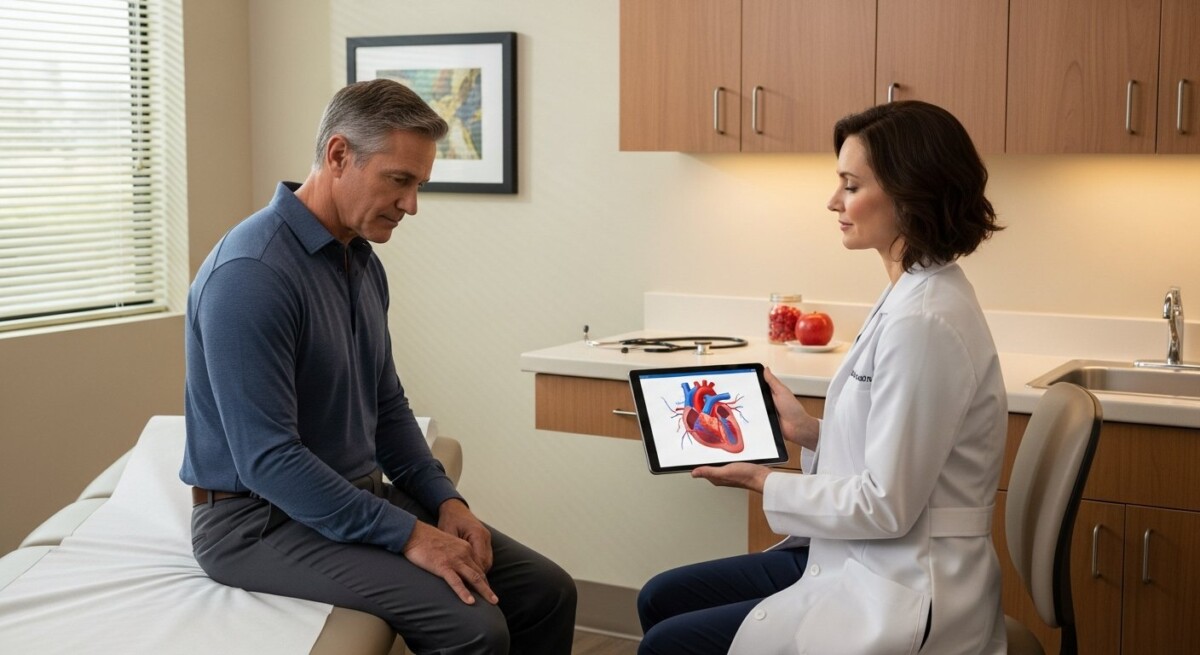
Cholesterol often appears in health headlines as a silent threat. Many people assume they would feel unwell if their cholesterol levels were too high. The reality is more complex and often more surprising. High cholesterol typically produces no noticeable symptoms at all, which is why it frequently goes undetected for years while quietly increasing the risk of serious cardiovascular events. Understanding both the hidden nature of this condition and the factors that drive it upward is the first step toward taking control of your long-term health.
What Is High Cholesterol and Why Does It Matter?
Cholesterol is a waxy, fat-like substance that your body needs to build cell membranes, produce certain hormones, and synthesize vitamin D. Your liver produces all the cholesterol you require, but you also absorb additional cholesterol from animal-based foods such as meat, eggs, and full-fat dairy products. Cholesterol travels through your bloodstream packaged in carriers called lipoproteins.
The two primary types of lipoproteins are low-density lipoprotein (LDL) and high-density lipoprotein (HDL). LDL cholesterol is often labeled as bad cholesterol because it can accumulate on the walls of your arteries, forming plaque. This buildup narrows the arteries and restricts blood flow, a condition known as atherosclerosis. HDL cholesterol, on the other hand, acts as a scavenger, helping to transport excess cholesterol back to the liver for removal. When healthcare providers talk about high cholesterol, they typically mean elevated LDL levels, low HDL levels, or both.
Common High Cholesterol Symptoms You Might Miss
One of the most challenging aspects of high cholesterol is its lack of obvious warning signs. Most people discover they have elevated cholesterol only after a routine blood test. However, when cholesterol levels remain dangerously high for an extended period, complications can produce symptoms. These symptoms are usually related to reduced blood flow caused by arterial plaque buildup.
Chest pain, medically known as angina, can occur when the coronary arteries that supply blood to the heart become narrowed. You might feel pressure, tightness, or a squeezing sensation in your chest, especially during physical activity or emotional stress. Shortness of breath is another possible indicator, as reduced blood flow can make it harder for your heart to pump efficiently. Some people experience numbness or coldness in their extremities, particularly the legs and feet, due to impaired circulation.
A more alarming symptom is a transient ischemic attack or stroke-like symptoms that resolve quickly. These can include sudden weakness or numbness on one side of the body, difficulty speaking, or vision changes. If you experience any of these signs, seek emergency medical attention immediately. The table below summarizes the most common symptoms and what they might indicate.
- Chest pain or angina: Signals reduced blood flow to the heart muscle
- Shortness of breath: Often accompanies angina or early heart failure
- Numbness or coldness in limbs: Suggests peripheral artery disease
- Sudden weakness or slurred speech: Could indicate a stroke or mini-stroke
- Yellowish growths on skin (xanthelasma): Visible deposits of cholesterol under the skin
These symptoms typically appear only after significant arterial damage has already occurred. That is why relying on symptoms alone is not a safe strategy. The best way to know your cholesterol status is through a simple blood test called a lipid panel. For those who prefer convenience and privacy, at-home cholesterol testing kits offer a reliable alternative to lab visits. In our guide on at-home health testing, we explain how to use these kits and interpret the results.
Primary Causes of High Cholesterol
High cholesterol does not have a single cause. Instead, it results from a combination of lifestyle factors, genetic predispositions, and underlying medical conditions. Understanding these causes can help you identify which areas of your life may need adjustment.
Dietary Choices
What you eat plays a central role in your cholesterol levels. Diets high in saturated fats, trans fats, and dietary cholesterol can raise LDL cholesterol. Saturated fats are found in red meat, butter, cheese, and other full-fat dairy products. Trans fats, which are even more harmful, are present in many fried foods, baked goods, and processed snacks. Even healthy-seeming foods like coconut oil and palm oil are high in saturated fat and can contribute to elevated cholesterol when consumed in excess.
Refined carbohydrates and added sugars also influence cholesterol. A diet rich in white bread, sugary cereals, pastries, and sweetened beverages can lower HDL cholesterol and raise triglycerides, a type of fat in the blood that is often measured alongside cholesterol. This combination increases cardiovascular risk even if total cholesterol numbers appear normal.
Physical Inactivity
Regular exercise helps raise HDL cholesterol and can lower LDL and triglycerides. When you are sedentary, your body produces less HDL, allowing LDL to dominate. Physical activity also helps with weight management, which is another critical factor in cholesterol control. Even moderate activities like brisk walking, cycling, or swimming for 30 minutes most days can make a meaningful difference.
Excess Body Weight
Being overweight or obese tends to increase LDL cholesterol, lower HDL cholesterol, and raise triglyceride levels. Carrying extra weight around the abdomen is particularly concerning because it is linked to insulin resistance and metabolic syndrome, conditions that further disrupt normal cholesterol metabolism. Losing even 5 to 10 percent of your body weight can produce measurable improvements in your lipid profile.
Smoking and Alcohol Use
Smoking damages the walls of your blood vessels, making them more susceptible to plaque buildup. It also lowers HDL cholesterol. The chemicals in tobacco smoke cause inflammation and oxidative stress, both of which accelerate atherosclerosis. Quitting smoking can improve HDL levels and reduce cardiovascular risk within months.
Alcohol consumption has a more nuanced relationship with cholesterol. Moderate alcohol intake, particularly red wine, has been associated with higher HDL levels in some studies. However, excessive drinking raises triglycerides and blood pressure, contributing to heart disease. The key is moderation, defined as no more than one drink per day for women and two drinks per day for men.
Genetic Factors
Some people inherit genes that cause their bodies to produce too much cholesterol or to clear it from the bloodstream too slowly. This condition, called familial hypercholesterolemia, can lead to very high LDL levels even in people who eat a healthy diet and exercise regularly. If you have a family history of early heart disease or extremely high cholesterol, you may benefit from genetic testing and more aggressive treatment options.
Underlying Medical Conditions
Several health conditions can disrupt normal cholesterol metabolism. Type 2 diabetes is one of the most common, as high blood sugar damages blood vessels and alters how the body processes fats. Hypothyroidism (underactive thyroid) can increase total and LDL cholesterol. Chronic kidney disease and liver disease also impair the body’s ability to regulate cholesterol. In some cases, treating the underlying condition can bring cholesterol levels back to a healthier range.
How At-Home Cholesterol Testing Fits Into Your Wellness Routine
Regular cholesterol monitoring is essential for anyone concerned about their cardiovascular health. Traditional lab testing requires a visit to a clinic or hospital, which can be inconvenient for people with busy schedules or limited access to healthcare. At-home cholesterol testing kits offer a practical alternative. These kits allow you to collect a small blood sample from your fingertip, mail it to a certified laboratory, and receive your results online within a few days.
DoctorsHome provides a comprehensive at-home cholesterol test that measures total cholesterol, LDL, HDL, and triglycerides. The process is simple: you order the kit online, collect your sample using the provided lancet and collection card, and return it using the prepaid shipping label. A licensed physician reviews your results, and you receive a detailed report that you can share with your primary care doctor. This approach eliminates the need for scheduling appointments and waiting rooms while still providing clinically accurate data.
The convenience of at-home testing is particularly valuable for people who need to monitor their cholesterol regularly, such as those with a family history of heart disease or those who have previously been diagnosed with high cholesterol. It also empowers individuals to take a proactive role in their health without the barriers of traditional healthcare. If your results show elevated levels, you can then consult with a healthcare provider to discuss lifestyle changes or medication options.
When to See a Doctor
Even if you feel perfectly healthy, the American Heart Association recommends that adults aged 20 and older have their cholesterol checked every four to six years. More frequent testing may be necessary if you have risk factors such as diabetes, a family history of heart disease, or a personal history of high cholesterol. If you experience any of the symptoms mentioned earlier, particularly chest pain or shortness of breath, do not wait for a scheduled screening. Seek medical evaluation promptly.
Your healthcare provider can help you interpret your lipid panel results and develop a personalized plan. For many people, lifestyle modifications are sufficient to bring cholesterol under control. Others may benefit from medications like statins, which lower LDL production in the liver. The decision to start medication depends on your overall cardiovascular risk, which your doctor can calculate using your cholesterol numbers, blood pressure, age, smoking status, and other factors.
Telemedicine platforms like DoctorsHome offer a convenient way to discuss your cholesterol concerns with a licensed healthcare professional from the comfort of your home. You can complete an online consultation, review your test results, and receive guidance on next steps without traveling to an office. This option is especially helpful for follow-up visits or for people who live in areas with limited access to specialists.
Preventing and Managing High Cholesterol
Prevention and management rely on the same principles. Adopting a heart-healthy diet that emphasizes fruits, vegetables, whole grains, lean proteins, and healthy fats like those found in olive oil, nuts, and fatty fish can lower LDL and raise HDL. Reducing intake of red meat, processed foods, and sugary drinks is equally important.
Regular physical activity, weight management, and stress reduction also play significant roles. Stress triggers hormonal changes that can raise cholesterol and blood pressure, so incorporating relaxation techniques like meditation, deep breathing, or yoga into your routine can be beneficial. If you smoke, seek resources to help you quit, and if you drink alcohol, do so in moderation.
For those already diagnosed with high cholesterol, consistent monitoring is key. Using an at-home testing kit can help you track your progress between doctor visits and stay motivated. Share your results with your healthcare provider to ensure your treatment plan remains effective. Remember that high cholesterol is a manageable condition. With the right combination of lifestyle changes, regular monitoring, and medical support when needed, you can significantly reduce your risk of heart disease and stroke.
High cholesterol may be silent, but it does not have to be dangerous. By understanding the causes and recognizing the potential symptoms of its complications, you empower yourself to take action before problems arise. Whether you choose in-person care or the convenience of telemedicine and at-home testing, the most important step is the first one. Schedule a screening, talk to a professional, and start building a heart-healthy future today.
About the Author: Olivia Bennett





Sign up for our newsletter and Save 20% on Test Kits
"*" indicates required fields