
7 Gut Health Foods To Eat Every Day For Better Digestion
7 Gut Health Foods To Eat Every Day For Better Digestion
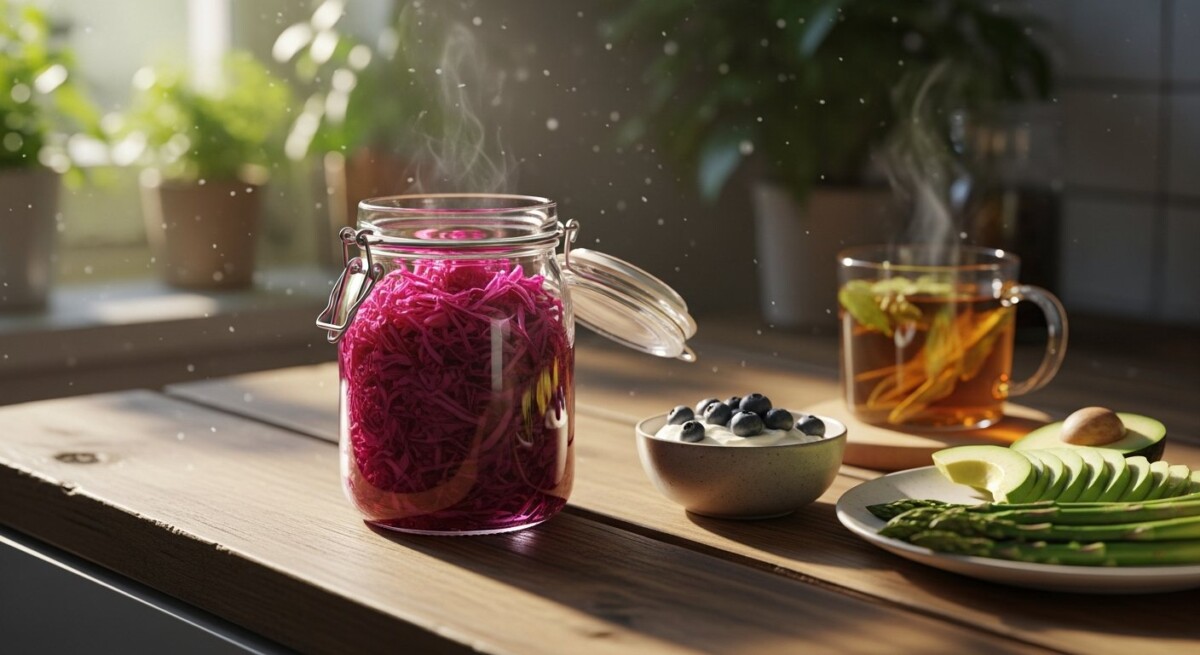
Your gut does far more than process food. It influences your immune system, mood, energy levels, and even your skin clarity. When your digestive system is balanced, you absorb nutrients efficiently and feel vibrant. When it is out of sync, you may experience bloating, fatigue, or brain fog. The good news is that small daily food choices can create a healthier gut environment. By incorporating specific gut health foods to eat every day, you can support the trillions of bacteria living in your digestive tract and improve your overall wellbeing. This article explains which foods to prioritize and why they work, helping you build a sustainable routine for digestive health.
Why Daily Gut Health Foods Matter
Your gut microbiome is a complex community of microorganisms that thrives on what you feed it. A diverse diet rich in fiber, polyphenols, and fermented compounds helps beneficial bacteria flourish. When you consistently eat foods that support these microbes, you reduce inflammation, strengthen your intestinal barrier, and promote regular bowel movements. Consistency is key. Eating a gut-friendly food once a week is helpful, but eating gut health foods to eat every day creates lasting change. Think of your microbiome as a garden. Daily watering and nutrient-rich soil produce a lush ecosystem. Sporadic care leads to weeds and imbalance.
Fermented Foods for Live Cultures
Fermented foods are among the most powerful additions to a gut-friendly diet. They contain live probiotics that directly increase the population of good bacteria in your intestines. Yogurt, kefir, sauerkraut, kimchi, and miso are excellent choices. These foods undergo a natural fermentation process where beneficial bacteria break down sugars and starches. This process not only preserves the food but also creates enzymes and bioactive compounds that aid digestion.
Yogurt and Kefir
Yogurt is one of the most accessible fermented foods. Look for plain, unsweetened varieties with live and active cultures. Greek yogurt is especially rich in protein and probiotics. Kefir is a fermented milk drink that contains a wider range of bacterial strains than yogurt. It is thinner and more tangy, making it easy to blend into smoothies or drink on its own. Both options provide a daily dose of beneficial bacteria that can improve lactose digestion and reduce symptoms of irritable bowel syndrome.
Vegetable Ferments
Sauerkraut and kimchi are cabbage-based ferments that deliver probiotics and fiber. Choose unpasteurized versions from the refrigerated section of your grocery store, because pasteurization kills the live cultures. Kimchi also contains garlic, ginger, and chili, which add anti-inflammatory compounds. Start with a small serving, about two tablespoons per day, and gradually increase as your gut adjusts.
High-Fiber Foods to Feed Your Microbiome
Prebiotic fiber is the fuel that probiotics need to thrive. When you eat fiber-rich foods, your gut bacteria ferment them and produce short-chain fatty acids like butyrate. These fatty acids nourish the cells lining your colon and reduce inflammation. Without enough prebiotic fiber, even the best probiotics cannot survive long-term. Aim to include a variety of fiber sources in your daily meals.
Here are five high-fiber gut health foods to eat every day:
- Oats: Whole oats contain beta-glucan, a soluble fiber that feeds beneficial bacteria and helps regulate blood sugar.
- Bananas: Slightly green bananas are rich in resistant starch, which resists digestion and reaches the colon intact to feed microbes.
- Apples: The pectin in apples is a prebiotic that supports the growth of friendly bacteria. Eat the skin for maximum fiber.
- Leeks and onions: These allium vegetables are packed with inulin, a potent prebiotic fiber that stimulates the growth of bifidobacteria.
- Legumes: Lentils, chickpeas, and black beans provide both soluble and insoluble fiber, promoting regularity and microbial diversity.
Including these foods in your daily diet is straightforward. Add oats to your breakfast, snack on an apple with nut butter, and include lentils in soups or salads. Your gut will respond with less bloating and more consistent energy throughout the day.
Polyphenol-Rich Foods for Gut Diversity
Polyphenols are plant compounds that act as antioxidants. They are not fully absorbed in the small intestine, so they travel to the colon where gut bacteria break them down. This process produces metabolites that reduce inflammation and support cardiovascular health. Dark chocolate, berries, green tea, and extra virgin olive oil are excellent sources. These foods also enhance the growth of beneficial bacteria like Akkermansia muciniphila, which strengthens the gut lining.
Consider this: a handful of blueberries with breakfast, a cup of green tea in the afternoon, and a drizzle of olive oil on your dinner salad. These small additions accumulate into significant benefits for your gut microbiome.
Bone Broth for Gut Lining Support
Bone broth is rich in collagen, gelatin, and amino acids like glutamine. These nutrients help repair the intestinal lining, which is especially important for people with leaky gut syndrome or digestive inflammation. The gelatin in bone broth also attracts digestive juices and supports the smooth movement of food through the digestive tract. Although bone broth is not a probiotic food, it provides the structural support that a healthy gut needs.
You can use bone broth as a base for soups, stews, or simply sip a warm cup in the morning. Many people find it soothing for the stomach and helpful for reducing gas and bloating.
Ginger and Turmeric for Anti-Inflammatory Action
Chronic inflammation damages the gut lining and disrupts the balance of gut bacteria. Ginger and turmeric are natural anti-inflammatory agents that calm the digestive system. Ginger stimulates digestion and reduces nausea, while curcumin in turmeric supports the integrity of the intestinal barrier. Both spices can be used fresh or powdered in cooking, teas, and smoothies.
For best results, combine turmeric with black pepper, which enhances curcumin absorption by up to 2000 percent. A simple golden milk made with turmeric, ginger, black pepper, and a warm milk alternative is a soothing evening drink that supports gut health.
Practical Tips for Building a Gut-Healthy Routine
Adding these foods to your daily diet does not require a complete overhaul of your eating habits. Start with one or two changes and build from there. For example, swap your usual breakfast for oatmeal topped with berries and a spoonful of yogurt. Replace a sugary afternoon snack with an apple or a handful of almonds. Drink a glass of kefir instead of soda. These small shifts create a foundation for better digestion.
It is also important to stay hydrated. Water helps fiber do its job by softening stool and promoting regular bowel movements. Aim for at least eight glasses of water per day, and consider herbal teas like peppermint or chamomile, which can soothe the digestive tract.
If you are managing a specific digestive condition like irritable bowel syndrome or small intestinal bacterial overgrowth, introduce high-fiber foods slowly to avoid discomfort. Some people find that fermented foods initially cause gas or bloating. This is normal as your gut adjusts. Start with small portions and gradually increase over several weeks.
For those seeking a more comprehensive approach to gut health, telemedicine platforms like DoctorsHome offer convenient access to healthcare professionals who can provide personalized guidance. You can discuss your digestive symptoms with a licensed provider from home and receive tailored recommendations. In our guide on perimenopause symptoms and treatment, we explain how hormonal changes affect digestion and what steps you can take to support gut health during that transition.
Your daily food choices have a profound impact on your gut microbiome. By prioritizing fermented foods, high-fiber plants, polyphenol-rich ingredients, bone broth, and anti-inflammatory spices, you create an environment where beneficial bacteria thrive. Consistency is more important than perfection. Even on busy days, a simple bowl of oatmeal with berries or a cup of yogurt can make a difference. Over time, these habits reduce inflammation, improve nutrient absorption, and support your overall health. Start with one change today, and let your gut guide you toward better wellbeing.
About the Author: Olivia Bennett





Sign up for our newsletter and Save 20% on Test Kits
"*" indicates required fields