

24 7 Telehealth Services for Instant Online Doctor Access
24 7 Telehealth Services for Instant Online Doctor Access

Imagine waking up at 2 a.m. with a sharp, unfamiliar pain, or your child spiking a fever on a holiday weekend. The anxiety of not knowing where to turn for immediate medical advice is a feeling many know all too well. This is the precise gap that 24 7 telehealth services are designed to fill, transforming how we access healthcare by making a licensed professional available at any hour, from any location with an internet connection. The concept of instant online doctor access is no longer a futuristic luxury, it is a practical, often essential component of modern healthcare, providing a critical bridge between patients and care when traditional offices are closed, distances are vast, or time is of the essence. This model of care delivers more than mere convenience, it offers peace of mind, timely intervention, and a proactive approach to managing health concerns before they escalate.
The Core Mechanics of Round-the-Clock Virtual Care
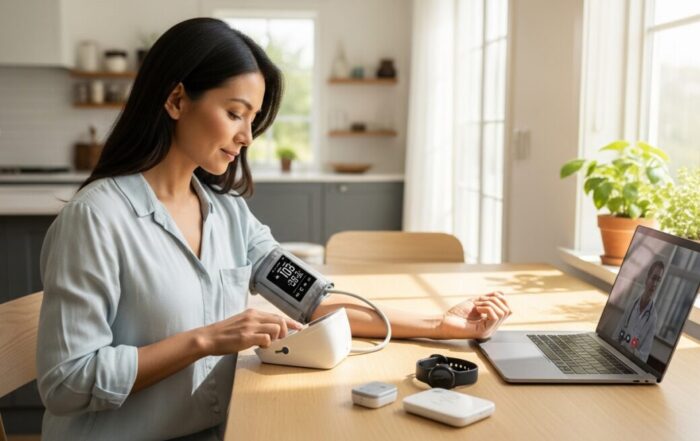
Understanding how 24 hour telehealth services function is key to utilizing them effectively. At its foundation, this model connects patients with a network of licensed healthcare providers, including doctors, nurse practitioners, and physician assistants, through a secure digital platform. The process typically begins when a patient logs into a service’s website or mobile app, completes a brief intake form detailing their symptoms and medical history, and requests a consultation. The platform’s intelligent routing system then matches the patient with an appropriate available provider, often within minutes. The consultation itself occurs via a secure video call, a phone call, or even a text-based chat, depending on the service and the patient’s preference. This streamlined process eliminates the need for travel, waiting rooms, and scheduling conflicts, delivering care directly into the patient’s home, car, or workplace.
The scope of conditions treated through these platforms is broad and continually expanding. While not a replacement for emergency room visits for life-threatening situations (like chest pain or severe trauma), 24 7 telehealth is exceptionally well-suited for addressing a wide array of common acute conditions. Providers can evaluate symptoms, offer diagnoses, recommend treatment plans, and, when clinically appropriate, send prescriptions electronically to a local or mail-order pharmacy. This immediate access can prevent a minor issue, such as a urinary tract infection or sinusitis, from developing into a more serious complication, all without the patient having to rearrange their entire day or seek costly urgent care.
Primary Benefits and Advantages for Patients
The value proposition of instant online doctor access extends far beyond simple after-hours availability. It represents a fundamental shift toward patient-centric care that aligns with the realities of contemporary life. One of the most significant advantages is the dramatic reduction in time to care. A virtual visit can be initiated and completed in the time it would take to drive to a clinic, find parking, and sit in a waiting room. This efficiency is invaluable for working adults, parents with young children, and caregivers who cannot easily step away from their responsibilities. Furthermore, 24 7 telehealth services inherently promote healthcare access equity. They are a lifeline for individuals in rural or underserved areas where specialist care may be hours away, for those with mobility challenges or transportation limitations, and for people who simply cannot take time off work for a routine appointment.
From a financial perspective, these services can also lead to substantial cost savings. While insurance coverage for telehealth continues to evolve and expand, many platforms offer transparent, affordable flat-rate fees for consultations, often significantly lower than a traditional urgent care or emergency department co-pay. This predictability helps patients avoid surprise medical bills. Additionally, by addressing health concerns early, telehealth can help prevent the need for more expensive interventions later. The convenience factor cannot be overstated, it reduces stress, minimizes exposure to other illnesses in waiting rooms, and integrates seamlessly into daily routines. For managing ongoing conditions, the ability to have quick check-ins can improve medication adherence and follow-up, creating a more continuous care loop.
Common Use Cases and When to Utilize Telehealth
Knowing when to leverage 24 hour telehealth services maximizes their benefit and ensures appropriate care. These platforms excel in several specific scenarios. For common acute illnesses and minor injuries, they are an ideal first line of defense. This includes conditions like cold and flu symptoms, sore throats, sinus infections, seasonal allergies, conjunctivitis (pink eye), and mild skin rashes or infections. For follow-up and chronic condition management, telehealth is perfect for medication refills, discussing lab results, or checking in on a stable condition like hypertension or diabetes without requiring an in-person visit. Mental health support has also seen a massive transformation through telehealth, with many services offering immediate access to therapists and counselors for anxiety, depression, and stress, providing critical support during moments of crisis.
Other valuable use cases include travel health, where a patient can consult a provider from a hotel room, and post-operative or hospital discharge follow-ups, which can be conducted comfortably from home. It is also an excellent resource for second opinions or to discuss a new diagnosis. However, clear boundaries exist. True medical emergencies, such as chest pain, difficulty breathing, severe abdominal pain, stroke symptoms, major fractures, or heavy bleeding, require immediate in-person emergency care. Telehealth providers are trained to recognize these red flags and will direct patients to call 911 or go to the nearest emergency room. Understanding this distinction is crucial for safe and effective use. For guidance on selecting the right service for your specific needs, our resource on how to find telehealth services that fit your needs offers a detailed framework.
Choosing a Reputable 24 7 Telehealth Provider
With the proliferation of digital health platforms, selecting a trustworthy service is paramount. Not all 24 7 telehealth services are created equal, and due diligence ensures you receive safe, high-quality care. The first and most critical criterion is licensure. Verify that the platform employs healthcare providers who are fully licensed to practice in your state. Reputable services make this information readily available. Security and privacy are non-negotiable, the platform should use HIPAA-compliant, encrypted technology to protect your personal health information during video calls and data transmission. Review the service’s privacy policy to understand how your data is used and stored.
Transparency in pricing and insurance acceptance is another key factor. Look for clear information about consultation fees, membership costs (if any), and which insurance plans are accepted. Understand what is included in the fee and what might incur additional charges. Evaluate the platform’s usability, the sign-up process should be straightforward, and the interface should be intuitive, especially if you need to use it in a moment of stress. Finally, consider the range of services offered. Some platforms are generalists, while others may have strengths in specific areas like mental health, dermatology, or pediatric care. Reading independent reviews and checking the company’s reputation can provide valuable insights into user experience and provider quality.
Key features to look for in a top-tier 24 7 telehealth service include:
- Board-certified physicians and licensed providers available in your state.
- Secure, high-quality video and audio capabilities.
- Integrated electronic prescription services to your preferred pharmacy.
- Clear cost structure with no hidden fees.
- Ability to access detailed visit summaries and maintain a digital health record.
Integrating Telehealth into Your Overall Health Strategy
24 7 telehealth should not be viewed in isolation but as a complementary tool within a comprehensive healthcare strategy. Its greatest power is realized when used in conjunction with a primary care physician (PCP). Think of instant online doctor access as an extension of your PCP’s office for situations that arise after hours or when an immediate appointment isn’t available. A responsible telehealth provider will always encourage you to follow up with your regular doctor for ongoing care and will send a visit summary to your PCP with your permission, ensuring continuity of care. This hybrid model leverages the speed and accessibility of telehealth while maintaining the deep, longitudinal relationship that is the cornerstone of primary care.
Furthermore, the rise of at-home testing kits, offered by many telehealth platforms, creates a powerful synergy. Patients can order a test for concerns like UTIs, STIs, or cholesterol, collect the sample at home, and then have a virtual consultation to discuss the results and next steps with a provider. This integration of diagnostics and consultation streamlines the care pathway dramatically. For chronic disease management, regular telehealth check-ins can help monitor conditions, adjust medications, and provide education, potentially reducing hospital readmissions and improving quality of life. The goal is to create a seamless ecosystem where in-person care, virtual visits, digital monitoring, and patient education work in harmony.
Frequently Asked Questions
Is a 24 7 telehealth visit as effective as an in-person doctor’s visit?
For the many conditions it is designed to treat, yes. Studies have shown that telehealth outcomes for issues like respiratory infections, urinary tract infections, and mental health counseling are comparable to in-person visits. The key is appropriateness, telehealth is highly effective for evaluations that rely heavily on patient history and visual examination, but it cannot replace physical exams needed for certain conditions.
How much does a typical 24 hour telehealth service consultation cost?
Costs vary by platform and insurance. Many services charge a flat fee between $50 and $80 per visit without insurance. With insurance, your co-pay may be similar to a primary care visit, often between $0 and $40. It is crucial to check with both your insurance provider and the telehealth service beforehand to understand your specific costs.
Can I get a prescription through a telehealth visit?
Yes, if the provider deems it medically appropriate and within their scope of practice. Providers can electronically send prescriptions for a wide range of medications to your local pharmacy. However, they are bound by the same strict regulations as in-person doctors and cannot prescribe controlled substances (like most opioids) or certain other medications without an established in-person relationship in many states.
What technology do I need to use a telehealth service?
At a minimum, you need a reliable internet connection and a smartphone, tablet, or computer with a camera and microphone. Most services work through a dedicated app or a secure web browser. A private, well-lit space where you can speak freely is also recommended for the consultation.
Are my medical records from a telehealth visit kept private?
Reputable, licensed telehealth platforms are required by federal law (HIPAA) to protect your personal health information. They use encrypted, secure connections for video calls and store your data on protected servers. Always review the service’s privacy policy to understand their specific data practices.
The evolution of 24 7 telehealth services marks a significant step toward a more responsive, accessible, and patient-empowered healthcare system. By providing instant online doctor access, these platforms demystify and democratize medical care, placing timely expertise within reach regardless of time zone or location. While they are not a panacea for every medical situation, their role in managing acute concerns, facilitating follow-ups, and bridging gaps in care is undeniable. As technology and regulations continue to advance, the integration of virtual care into our health routines will only deepen, making 24 hour telehealth services an indispensable tool for maintaining well-being in an increasingly connected world.
About the Author: Robert Hayes




Sign up for our newsletter and Save 20% on Test Kits
"*" indicates required fields