
Telemedicine Across National Borders: Key Regulations
Telemedicine Across National Borders: Key Regulations
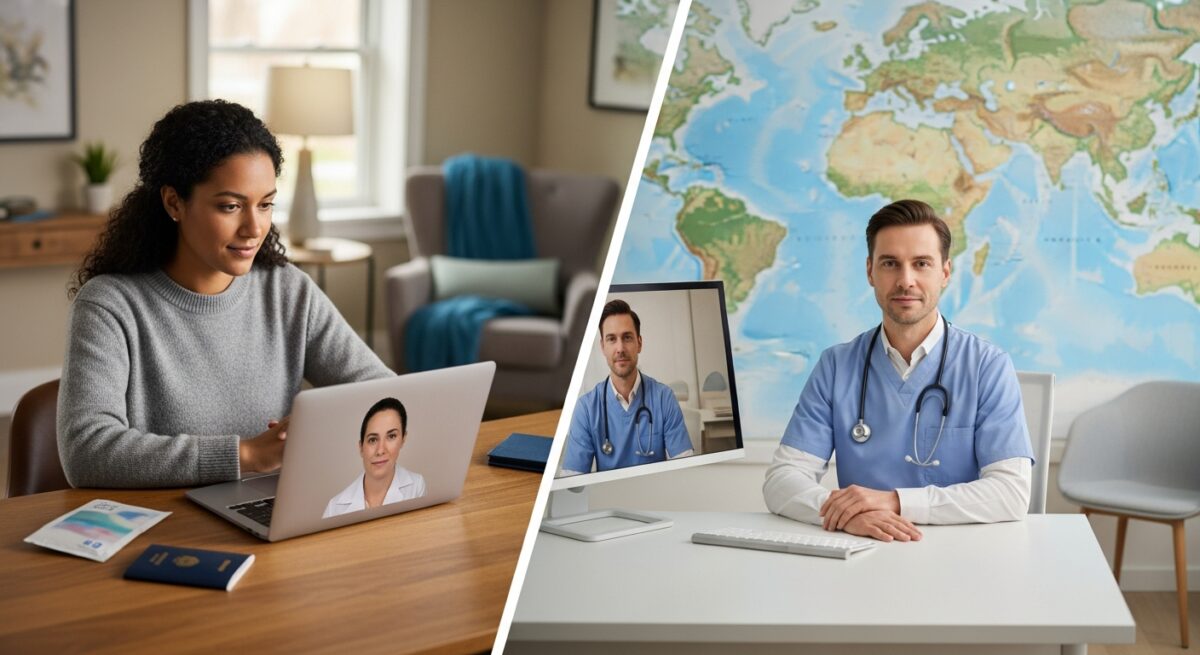
Telemedicine has transformed how patients access healthcare, offering convenience and speed that traditional in-person visits cannot match. However, when a patient in one country consults a doctor licensed in another, a complex web of regulations comes into play. Telemedicine across national borders regulations determine whether a virtual visit is legal, what licenses a doctor must hold, and how prescriptions can be filled. For patients seeking care from providers like DoctorsHome, understanding these rules is essential to receiving safe and lawful treatment. While domestic telemedicine has seen widespread adoption, cross-border care introduces questions about jurisdiction, liability, and patient safety that every user should understand before booking an appointment.
Why Cross-Border Telemedicine Is Growing
The demand for international telemedicine has surged for several reasons. Patients may live in rural areas with limited access to specialists, or they may seek a second opinion from a renowned expert in another country. Expats, digital nomads, and frequent travelers often prefer to continue care with a trusted physician from their home country. Additionally, some patients pursue telemedicine across borders for conditions where treatment is more affordable or discreet abroad. Platforms like DoctorsHome have made it easier to connect with licensed U.S. providers, but the legal framework governing these interactions varies widely. The convenience of virtual care must be balanced against the risk of practicing medicine without proper authorization, which can lead to legal penalties for both the provider and the patient.
Another driver is the rise of specialized at-home testing kits. A patient in Canada, for example, might order a test kit from a U.S.-based telemedicine platform, receive it by mail, and then discuss results with a doctor online. This scenario raises questions about which country’s regulations apply to the test, the consultation, and any resulting prescription. As telemedicine across national borders regulations evolve, patients and providers alike must stay informed to avoid inadvertently breaking the law.
The Core Legal Framework for International Telemedicine
Licensing and Jurisdiction
The most fundamental rule in cross-border telemedicine is that a physician must be licensed in the jurisdiction where the patient is located at the time of the consultation. This principle, known as the location of the patient rule, means that a U.S. doctor cannot legally treat a patient in Germany unless they hold a German medical license or an exception applies. Some countries have created special telemedicine licenses or registration systems to facilitate cross-border care, but these are not universal. For patients, this means that the doctor you see online must be authorized to practice in your current location, not just where the doctor is physically based.
Enforcement of this rule varies. In the United States, individual state medical boards have historically required full licensure for any patient located within their borders. However, during the COVID-19 pandemic, many states temporarily waived these requirements, allowing doctors to treat patients across state lines. Some of these waivers have been extended or made permanent. Internationally, the European Union has taken steps to harmonize telemedicine rules through directives on cross-border healthcare, allowing patients to receive e-prescriptions and follow-up care from providers in other member states. Outside the EU, regulations are less standardized, and patients should verify the legal status of a telemedicine provider before proceeding.
Prescription and Pharmacy Regulations
When a telemedicine consultation results in a prescription, the rules become even more complex. Many countries prohibit a doctor from issuing a prescription without an in-person examination, though telemedicine exceptions are growing. Even where telemedicine is permitted, the prescription may only be valid if filled by a pharmacy licensed in the patient’s country. This can create logistical hurdles for patients who receive a prescription from a U.S. doctor but live abroad. Some telemedicine platforms, including DoctorsHome, partner with pharmacies that can deliver medications directly to the patient’s address, but they must comply with both U.S. export laws and the importing country’s regulations.
Patients should also be aware of controlled substance restrictions. Medications classified as controlled substances in one country may be illegal in another, even with a valid prescription. For example, a U.S. doctor cannot prescribe certain anxiety medications to a patient in Japan, where those drugs are banned. Telemedicine across national borders regulations often include specific provisions about controlled substances, and violating these rules can result in severe penalties, including imprisonment. Patients should always check the legal status of their prescribed medication in their country of residence before ordering.
Common Challenges in Cross-Border Telemedicine
Even when both the patient and provider are willing to comply with all regulations, practical challenges remain. Language barriers, time zone differences, and varying standards of care can complicate the consultation. Additionally, medical records and privacy laws differ significantly between countries. The U.S. Health Insurance Portability and Accountability Act (HIPAA) imposes strict requirements on how patient data is stored and shared, but these rules do not apply to providers based outside the United States. Conversely, the European Union’s General Data Protection Regulation (GDPR) gives patients extensive rights over their data, which may conflict with U.S. data handling practices.
Another challenge is insurance reimbursement. Many health insurance plans only cover telemedicine services provided by in-network doctors who are licensed in the patient’s home state or country. Patients seeking telemedicine across borders may have to pay out-of-pocket, which can be costly. Before scheduling an international telemedicine appointment, patients should confirm their insurance coverage and understand the billing process. Platforms like DoctorsHome provide transparent pricing for consultations and test kits, which helps patients avoid surprise bills.
Key Regulatory Differences by Region
Telemedicine regulations are not uniform, and understanding regional differences is critical for both patients and providers. Here are some notable examples:
- United States: Each state has its own medical board that sets licensing requirements. While interstate compacts like the Interstate Medical Licensure Compact streamline multi-state licensing, they do not cover international practice. Doctors must be licensed in the state where the patient is located, not just where the doctor practices.
- European Union: The EU’s Cross-Border Healthcare Directive allows patients to receive telemedicine services from providers in other member states. E-prescriptions are recognized across borders, and patients can seek reimbursement from their home country’s health system under certain conditions. However, providers must still comply with their own country’s medical regulations.
- Canada: Canadian provinces require doctors to be licensed in the province where the patient resides. Some provinces have created telemedicine-specific licenses, but cross-province care remains restricted. International telemedicine is generally not permitted unless the doctor holds a full provincial license.
- Asia and the Middle East: Countries like Japan, South Korea, and the United Arab Emirates have strict regulations that often require an in-person visit before telemedicine can be used. Some nations ban telemedicine entirely for initial consultations, while others allow it only for follow-up care. Patients should research local laws before seeking care from an international provider.
These regional variations mean that a telemedicine platform cannot offer a one-size-fits-all solution. Instead, providers like DoctorsHome must carefully define the jurisdictions they serve, often limiting consultations to patients physically located in the United States. Patients outside the U.S. should verify whether a platform’s services are legally available in their country before completing an intake form.
How Patients Can Protect Themselves
For patients considering international telemedicine, taking proactive steps can prevent legal and medical complications. First, always verify the provider’s credentials and licensing. Reputable telemedicine platforms will display the licenses of their doctors and the jurisdictions in which they are authorized to practice. If this information is not readily available, request it before the consultation. Second, be honest about your physical location during the intake process. Some patients attempt to circumvent regulations by using a VPN or providing a false address, but this can invalidate the doctor’s malpractice insurance and leave you without legal recourse if something goes wrong.
Third, understand the prescription and delivery process. Ask whether the medication can be legally shipped to your address and whether any import duties or customs restrictions apply. For U.S.-based patients, DoctorsHome offers a streamlined process where medications are delivered within 2-5 business days in discreet packaging, eliminating many of these concerns. For more information on how domestic telemedicine rules differ, refer to our guide on telemedicine across state lines key patient rules, which explains similar principles for interstate care.
Fourth, keep detailed records of your consultation, including the doctor’s name, license number, and the date and time of the visit. This documentation can be crucial if a dispute arises or if you need to transfer your care to a local provider. Finally, consult with a healthcare attorney or a patient advocacy group if you have complex medical needs that require ongoing cross-border care. While telemedicine platforms aim to provide safe and convenient services, the ultimate responsibility for compliance rests with both the patient and the provider.
The Future of Cross-Border Telemedicine Regulations
Governments and international organizations are increasingly recognizing the need for harmonized telemedicine regulations. The World Health Organization has called for global standards, and regional bodies like the EU are leading the way. In the coming years, we may see the creation of international telemedicine licenses or mutual recognition agreements that allow doctors to practice across borders more freely. However, progress is slow, and patients should not expect sweeping changes overnight.
In the meantime, telemedicine platforms are adapting by focusing on the markets where they can operate legally and efficiently. For example, DoctorsHome serves patients within the United States, where its doctors are licensed and its pharmacy delivery network is established. This focus ensures that patients receive compliant, high-quality care without the legal ambiguities of international practice. As regulations evolve, platforms may expand their services to additional countries, but only after thorough legal review. Patients interested in cross-border telemedicine should monitor regulatory updates in their home country and the provider’s country, as laws can change quickly.
Frequently Asked Questions
Can I use a U.S. telemedicine platform if I am traveling abroad?
Generally, no. Most U.S. telemedicine platforms, including DoctorsHome, require that you be physically located in the United States at the time of the consultation. Using a VPN to mask your location is not recommended, as it may violate the platform’s terms of service and could have legal consequences.
What happens if my doctor is not licensed in my country?
The consultation may be considered illegal, and the doctor could face disciplinary action from their medical board. You may also have difficulty filling any prescriptions issued. Always verify licensing before the appointment.
Are telemedicine regulations the same for follow-up care as for initial consultations?
Not always. Some countries allow telemedicine for follow-up care even if they restrict it for initial visits. However, the licensing requirements typically remain the same. Check local laws for specific exceptions.
Can I get a prescription filled in my country if the doctor is abroad?
It depends on local pharmacy laws. Some countries recognize foreign prescriptions if they are issued by a licensed physician, but others require a local doctor to re-prescribe the medication. Contact a pharmacy in your country for guidance.
Does DoctorsHome offer international telemedicine services?
DoctorsHome provides telemedicine services to patients located within the United States. For those seeking affordable online care from a U.S.-licensed provider, the platform offers a convenient and compliant solution with fast delivery of medications and test kits.
For additional resources on telemedicine compliance, you may find useful information at carloanrefinancing.com, which offers financial guidance that can help you budget for healthcare expenses.
Telemedicine across national borders regulations will continue to evolve as technology and patient demand push the boundaries of traditional healthcare. By staying informed and choosing reputable providers, patients can safely enjoy the benefits of virtual care while respecting the legal frameworks designed to protect them. Whether you are a digital nomad, an expat, or simply someone seeking a second opinion, understanding these rules is the first step toward a successful telemedicine experience.
About the Author: Emily Rodriguez




Sign up for our newsletter and Save 20% on Test Kits
"*" indicates required fields