
Telehealth vs Telemedicine: What’s the Difference?
Telehealth vs Telemedicine: What’s the Difference?
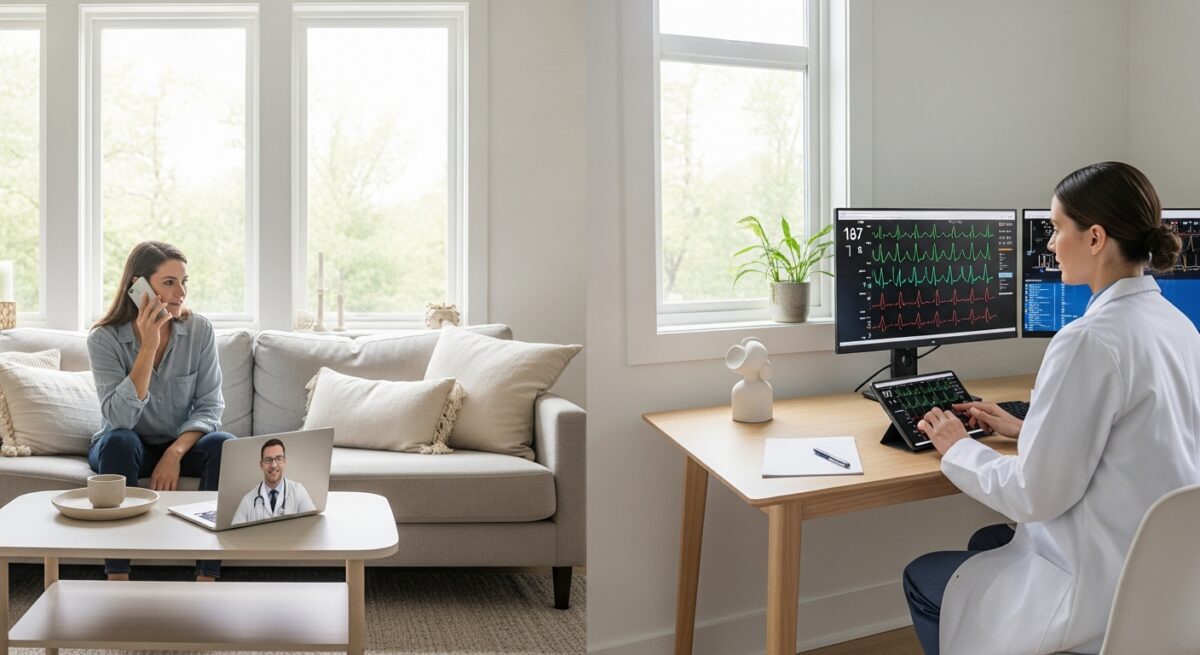
Many people use the terms telehealth and telemedicine interchangeably, but they describe distinct aspects of remote healthcare. Understanding the difference helps you choose the right service for your needs and communicate more effectively with providers. Telehealth is the broader umbrella, while telemedicine refers specifically to clinical care. This article breaks down each concept, highlights their unique benefits, and shows how virtual medical services like those offered by DoctorsHome fit into your healthcare routine.
Defining Telehealth: The Broad Scope of Remote Care
Telehealth encompasses all remote healthcare services that do not involve in-person visits. This includes clinical consultations, patient education, administrative meetings, and even remote monitoring of vital signs. For example, a patient watching a video on managing diabetes or a pharmacist checking a prescription electronically is using telehealth. The term also covers provider-to-provider communication, such as a primary care doctor consulting a specialist via video.
Telehealth has grown rapidly because it improves access for patients in rural areas, reduces travel time, and lowers costs for the entire system. It relies on technology like secure video platforms, phone calls, and mobile apps. Many health systems now offer telehealth portals where patients can message their doctor, view test results, or download educational materials. This broad definition makes telehealth a transformative tool for population health, but it can be confusing when people compare it to telemedicine.
Defining Telemedicine: Remote Clinical Care
Telemedicine is a subset of telehealth focused exclusively on clinical services. It involves diagnosing, treating, and monitoring patients from a distance using real-time or store-and-forward technology. A telemedicine visit typically includes a consultation with a licensed medical professional who can prescribe medication, order tests, or provide a treatment plan. Unlike telehealth, telemedicine always involves a direct patient-provider interaction aimed at medical decision-making.
For instance, when you fill out an online form on DoctorsHome and a doctor reviews your symptoms to prescribe medication for herpes virus or eye allergies, that is telemedicine. The provider examines your condition virtually and issues a prescription that is delivered to your door. Telemedicine is also used for follow-up appointments, chronic disease management, and urgent care for conditions like sinus infections or urinary tract infections. Its growth has been driven by convenience and the ability to receive care without leaving home.
Key Differences Between Telehealth and Telemedicine
Understanding the distinction helps you pick the right service. Below are the core differences in scope, purpose, and technology:
- Scope: Telehealth includes non-clinical activities such as administration, education, and remote monitoring. Telemedicine is limited to clinical diagnosis and treatment.
- Participants: Telehealth can involve providers, patients, administrators, and educators. Telemedicine always involves a licensed healthcare provider and a patient.
- Examples: A virtual wellness class is telehealth; a video appointment to get a prescription is telemedicine.
- Regulation: Telemedicine is heavily regulated by medical boards and requires a valid patient-provider relationship. Telehealth may have fewer legal constraints for non-clinical services.
- Technology: Both use digital tools, but telemedicine often requires HIPAA-compliant platforms for secure video and medical record integration.
These differences matter when you are deciding between a general health app and a dedicated telemedicine platform. For medical care, always choose a service that clearly operates under telemedicine guidelines, like DoctorsHome, where licensed doctors review your case and provide treatment.
Benefits of Telemedicine for Patients
Telemedicine offers several advantages that make it an attractive alternative to traditional clinic visits. First, it saves time. You can complete a consultation in minutes from your office or home, avoiding commutes and waiting rooms. Second, it provides access to specialists who may not be available locally, especially for conditions like herpes virus or eye allergies that require discreet, specialized care.
Another major benefit is convenience for ongoing care. Patients with chronic conditions can use telemedicine for routine check-ins without disrupting their daily schedules. Platforms like DoctorsHome also offer prescription delivery within two to five business days in discreet packaging, so you never have to visit a pharmacy. This combination of speed and privacy makes telemedicine ideal for sensitive health issues.
For those moving to a new city, telemedicine ensures continuity of care. In our guide on Austin Texas telemedicine doctor visits online, we explain how residents can maintain access to their provider even after relocating. That same principle applies nationwide: as long as you have an internet connection, your doctor is just a click away.
When to Use Telehealth vs Telemedicine?
The choice depends on what you need. Use telehealth for non-clinical activities such as scheduling appointments, watching health education videos, or participating in support groups. These services are often free or low-cost and help you stay informed about your health without needing a medical consultation.
Use telemedicine when you need a medical evaluation, prescription, or treatment plan. Common scenarios include minor illnesses (cold, flu, allergies), skin conditions, mental health counseling, and management of chronic conditions like diabetes or hypertension. If you have symptoms that require a doctor’s judgment, telemedicine is the appropriate choice.
For example, if you suspect you have herpes virus or an eye allergy, a telemedicine visit with a licensed provider can confirm the condition and provide a prescription. DoctorsHome specializes in these exact cases, offering a streamlined process: fill an online form, have it reviewed by a doctor, and receive treatment delivered to your home. This is telemedicine at its most effective.
Frequently Asked Questions
Is telemedicine the same as telehealth?
No. Telemedicine is a part of telehealth. Telehealth includes all remote healthcare activities, while telemedicine specifically involves clinical diagnosis and treatment by a licensed provider.
Can I get a prescription through telemedicine?
Yes. In most states, licensed providers can prescribe medication after a telemedicine consultation, provided a proper patient evaluation is conducted. Services like DoctorsHome offer prescriptions for conditions such as herpes virus and eye allergies.
Is telemedicine covered by insurance?
Many insurance plans now cover telemedicine visits, especially after the pandemic. Check with your provider to confirm coverage. Some platforms also offer affordable cash-pay options if you do not have insurance.
What equipment do I need for a telemedicine visit?
Typically, you need a smartphone, tablet, or computer with a camera and microphone and a stable internet connection. Some visits can also be done by phone if video is not required.
Do I need to see a doctor in person first for telemedicine?
Not necessarily. Many states allow an initial telemedicine consultation without a prior in-person visit. However, some conditions or states may require an established patient relationship. Check local regulations.
Making the Right Choice for Your Healthcare
Understanding the difference between telehealth and telemedicine empowers you to make informed decisions about your health. Telehealth offers broad access to information and support, while telemedicine delivers direct medical care when you need it most. If you are looking for convenient, discreet treatment for common conditions, telemedicine platforms like DoctorsHome provide a reliable solution. As you explore your options, remember that whether you need a simple health tip or a prescription, remote care puts healthcare within reach. For those considering a move, planning ahead with resources like moving.homes can help you maintain your healthcare continuity while finding a new home.
About the Author: Laura Simmons




Sign up for our newsletter and Save 20% on Test Kits
"*" indicates required fields