
Minneapolis Telehealth: Remote Medical Appointments Guide
Minneapolis Telehealth: Remote Medical Appointments Guide
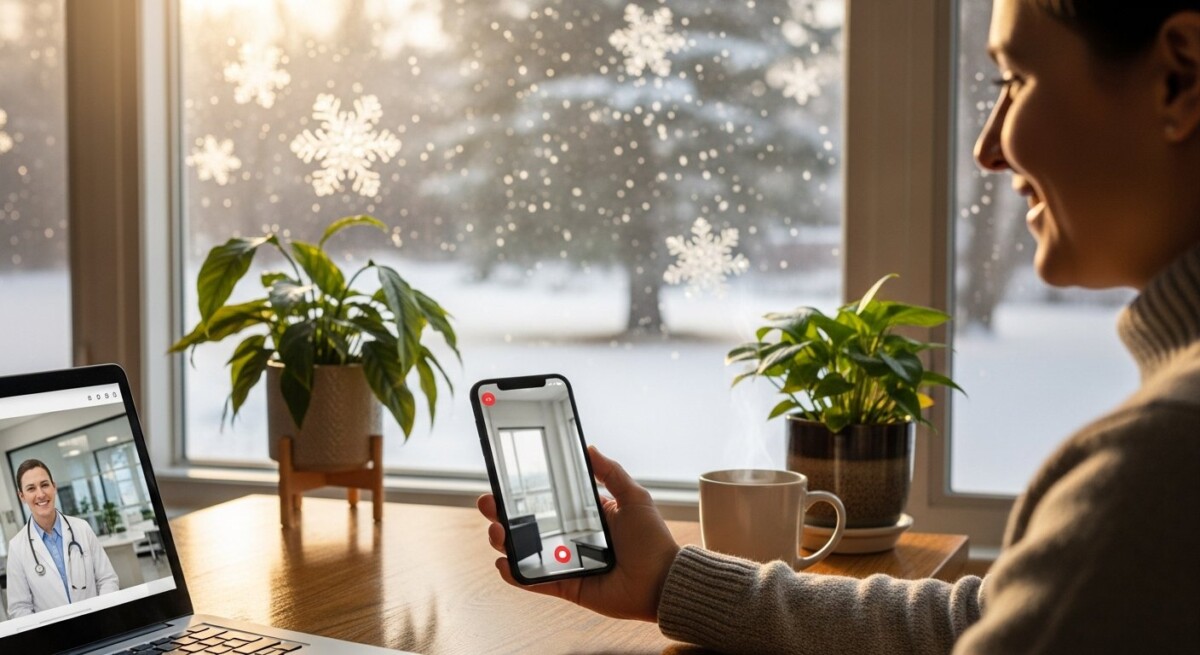
The healthcare landscape in Minneapolis, Minnesota is evolving rapidly, and remote medical appointments via telehealth are at the forefront of this change. For residents navigating busy schedules, harsh winters, or simply seeking more convenient care, virtual visits offer a practical alternative to traditional clinic visits. Instead of spending an hour commuting to a downtown clinic and waiting in a crowded lobby, you can now connect with a licensed provider from your living room, office, or even a quiet corner of a coffee shop. This guide explores how Minneapolis residents can access high-quality care through telehealth, what conditions are commonly treated, and how to choose the right platform for your needs.
Why Telehealth is Thriving in Minneapolis
Minneapolis is a city known for its innovative spirit and robust healthcare infrastructure, including world-class institutions like the Mayo Clinic and the University of Minnesota Medical Center. Yet even in this healthcare-rich environment, barriers to access remain. Long wait times for specialist appointments, transportation challenges during snowstorms, and the difficulty of taking time off work all contribute to delayed care. Telehealth bridges these gaps effectively. A 2023 survey from the Minnesota Department of Health found that over 60% of residents had used some form of virtual care in the previous year, with satisfaction rates exceeding 85%. The convenience is undeniable: no travel, no parking fees, and no exposure to waiting room germs. For families with young children, elderly patients with mobility issues, or professionals with packed calendars, remote medical appointments via telehealth have become a lifeline.
Moreover, Minneapolis has a high concentration of tech-savvy residents who are comfortable using digital tools for everyday tasks. This cultural readiness has accelerated adoption. Local insurance plans, including Blue Cross Blue Shield of Minnesota and HealthPartners, now routinely cover telehealth visits at parity with in-person care. This means that for most insured patients, a virtual visit costs the same as a standard office copay. For those without insurance, platforms like DoctorsHome offer transparent, upfront pricing that often beats the cost of an urgent care visit.
Conditions Commonly Treated Through Telehealth
Telehealth is not just for minor colds and flu. While it is excellent for acute issues like sinus infections, urinary tract infections, and skin rashes, it also supports ongoing management of chronic conditions. For Minneapolis residents, common telehealth consultations include:
- Allergy symptoms and eye irritation, especially during the spring pollen season or when indoor heating dries out eyes
- Herpes virus management, including initial outbreaks and recurrent episodes
- Mental health support, including anxiety, depression, and stress management
- Prescription refills for stable chronic conditions like high blood pressure or asthma
- At-home testing guidance, such as how to collect a sample for a lab test
One of the strengths of telehealth is its ability to connect patients with specialists who might not be available locally. For example, a patient in northeast Minneapolis can consult with a dermatologist based in Rochester without driving 90 miles. This is particularly valuable for conditions that require privacy, such as herpes virus treatment or sexual health concerns. Online platforms offer a discreet way to discuss symptoms, receive a diagnosis, and get a prescription delivered to your door in discreet packaging.
How to Prepare for Your Remote Medical Appointment
Getting the most out of a telehealth visit requires a bit of preparation. First, ensure you have a stable internet connection and a device with a camera and microphone. Most platforms work on smartphones, tablets, or laptops. Second, find a private, well-lit space where you can speak openly. Background noise and poor lighting can make it harder for the provider to assess your condition, especially for skin or eye issues. Third, have a list of your current medications, allergies, and any recent test results handy. If you are using at-home testing kits, follow the instructions carefully before the appointment so you can discuss the results with your doctor.
Before your visit, check with your insurance provider to confirm coverage. Most major insurers in Minnesota cover telehealth, but it is wise to verify your specific plan details. If you are paying out of pocket, platforms like DoctorsHome clearly list their fees upfront, so there are no surprises. Finally, write down your top two or three concerns. Telehealth visits are often shorter than in-person appointments, so focusing on your most pressing issues ensures you get the care you need.
Choosing the Right Telehealth Platform in Minneapolis
Not all telehealth services are created equal. Some are tied to specific health systems, while others operate independently. For Minneapolis residents, the key factors to consider include:
- Provider availability: Can you see a Minnesota-licensed provider who understands local health trends?
- Scope of services: Does the platform treat your specific condition, or is it limited to general wellness?
- Prescription delivery: If you need medication, how is it dispensed and how quickly does it arrive?
- Cost transparency: Are prices listed clearly, or do you have to call to find out?
- Data security: Does the platform use HIPAA-compliant video and encrypted messaging?
DoctorsHome checks all these boxes. It connects you with licensed U.S. providers who can evaluate your symptoms, prescribe appropriate medications for conditions like herpes virus and eye allergies, and arrange for discreet delivery to your home. The entire process is streamlined: you fill out an online form, a doctor reviews your case, and if approved, your prescription is shipped within two to five business days. This model is especially appealing for Minneapolis residents who value speed and privacy. In our guide on remote medical appointments in Rochester Minnesota, we explain how similar services benefit patients across the state, and much of that advice applies directly to the Twin Cities metro area.
The Role of At-Home Testing in Telehealth
At-home medical testing kits have transformed what is possible during a remote visit. Instead of guessing whether you have strep throat, a urinary tract infection, or a vitamin deficiency, you can collect a sample at home and mail it to a lab. The results are then shared with your telehealth provider, who can make an informed diagnosis and recommend treatment. For Minneapolis residents, this is a game-changer during flu season or when winter weather makes travel difficult. DoctorsHome offers a range of at-home testing kits that complement its virtual consultation services. For example, if you are experiencing eye allergy symptoms, you can discuss your situation with a provider, who may recommend an at-home allergy test to identify triggers. This integrated approach saves time and reduces the need for follow-up visits.
It is important to note that not all conditions require a physical exam. Many common ailments can be diagnosed through a detailed history and visual inspection via video. For skin rashes, the provider can ask you to position your camera for a clear view. For eye issues, they can evaluate redness, discharge, and swelling. When a test is needed, the at-home kit fills the gap perfectly. This hybrid model of virtual consultation plus home testing is becoming the new standard for telemedicine.
Addressing Common Concerns About Telehealth
Some Minneapolis residents remain hesitant about remote care. Common worries include the quality of the doctor-patient relationship, the accuracy of diagnoses, and the security of personal health information. These concerns are understandable but largely unfounded when using a reputable platform. Licensed telehealth providers undergo the same training and certification as in-person doctors. They are held to the same standard of care. In fact, studies show that for conditions like uncomplicated urinary tract infections and conjunctivitis, telehealth diagnoses are as accurate as in-person evaluations.
Data security is another top priority. Platforms like DoctorsHome use HIPAA-compliant video software and encrypted data storage to protect your information. You can also take steps on your end: use a private Wi-Fi network rather than public Wi-Fi, log out after each session, and avoid sharing your login credentials. As for the doctor-patient relationship, many patients find that telehealth actually improves communication. Without the pressure of a waiting room or the formality of an office, conversations can feel more relaxed and open. Providers have time to listen carefully, and patients often feel more comfortable discussing sensitive topics from the privacy of their own home.
Telehealth and the Minneapolis Winter
No discussion of healthcare in Minneapolis would be complete without acknowledging the brutal winters. From December through March, subzero temperatures and icy roads make travel hazardous. For residents with chronic conditions like asthma or diabetes, skipping a follow-up appointment in winter can lead to complications. Telehealth eliminates this risk entirely. You can attend a virtual visit from your warm home, even if a blizzard is raging outside. This is not just a convenience; it is a safety measure. The Minnesota Department of Public Safety reports that hundreds of weather-related accidents occur each winter, many involving trips to medical appointments. By choosing remote care, you protect yourself and reduce strain on emergency services.
Beyond safety, telehealth also supports continuity of care. If you are managing a condition like herpes virus, consistent follow-up is essential to prevent outbreaks and manage symptoms. A missed appointment can set back your treatment plan. With virtual visits, you can maintain your schedule regardless of weather conditions. This reliability is one reason why many Minneapolis providers now offer telehealth as a standard option year-round, not just as a pandemic-era stopgap.
Insurance and Cost Considerations
For residents of Minneapolis, telehealth is often more affordable than in-person care. Most insurance plans, including those offered by major employers in the Twin Cities, cover virtual visits at the same rate as office visits. Some plans even offer lower copays for telehealth to encourage its use. If you are uninsured or have a high-deductible plan, telehealth platforms offer transparent pricing. A typical consultation costs between $30 and $75, which is significantly less than an urgent care visit ($100 to $200) or an emergency room trip (often $500 or more).
DoctorsHome goes a step further by including the cost of medication in its consultation fee for many conditions. This means no surprise bills at the pharmacy. The entire process is designed to be upfront and predictable. For Minneapolis residents on a budget, this clarity is invaluable. It allows you to plan your healthcare expenses without fear of hidden charges. Additionally, because prescriptions are delivered to your home, you save on transportation costs and time off work. When you factor in these savings, telehealth often works out to be the most cost-effective option for non-emergency care.
Frequently Asked Questions
Can I use telehealth if I live outside Minneapolis city limits?
Yes. Telehealth services are available to anyone in Minnesota, including the suburbs and rural areas. As long as you have an internet connection, you can connect with a licensed provider. Many platforms, including DoctorsHome, serve patients across the entire state.
What if I need a physical exam?
For conditions that truly require a hands-on exam, your telehealth provider will refer you to a local clinic. However, many common complaints can be evaluated through video. Providers are trained to know the limits of remote care and will always recommend an in-person visit if necessary.
How quickly can I get a prescription?
If your provider determines that medication is appropriate, the prescription is sent electronically to a pharmacy or shipped to your home. With DoctorsHome, medications are typically delivered within two to five business days in discreet packaging.
Is my health information safe?
Reputable telehealth platforms use HIPAA-compliant technology to protect your data. Always check a platform’s privacy policy before your first visit. Avoid sharing sensitive information through unsecured channels like text message or email unless directed by the provider.
Can I use telehealth for mental health care?
Absolutely. Many Minneapolis residents use telehealth for therapy and medication management for conditions like anxiety and depression. It is a convenient way to maintain regular sessions without commuting to an office.
The future of healthcare in Minneapolis is increasingly digital, and remote medical appointments via telehealth are leading the way. Whether you are treating a seasonal allergy, managing a chronic condition, or simply seeking a faster way to get a prescription refill, virtual care offers a safe, affordable, and convenient solution. Platforms like DoctorsHome are making it easier than ever to connect with licensed providers from the comfort of your home. For residents of the Twin Cities, this means better access to care, less time spent in transit, and more control over your health. As telemedicine continues to evolve, one thing is clear: the ability to see a doctor without leaving your home is no longer a luxury, it is a practical necessity. For those looking to explore similar services in other regions, our article on remote medical appointments in Waterbury Connecticut offers additional insights into how telehealth is transforming care across the country.
Take the first step today. Research your options, check your insurance coverage, and find a telehealth platform that meets your needs. Your health is too important to put off, and with remote care, you do not have to.
About the Author: Steven Walker




Sign up for our newsletter and Save 20% on Test Kits
"*" indicates required fields