
Medical Appointment Scheduling Apps and Digital Booking Systems
Medical Appointment Scheduling Apps and Digital Booking Systems
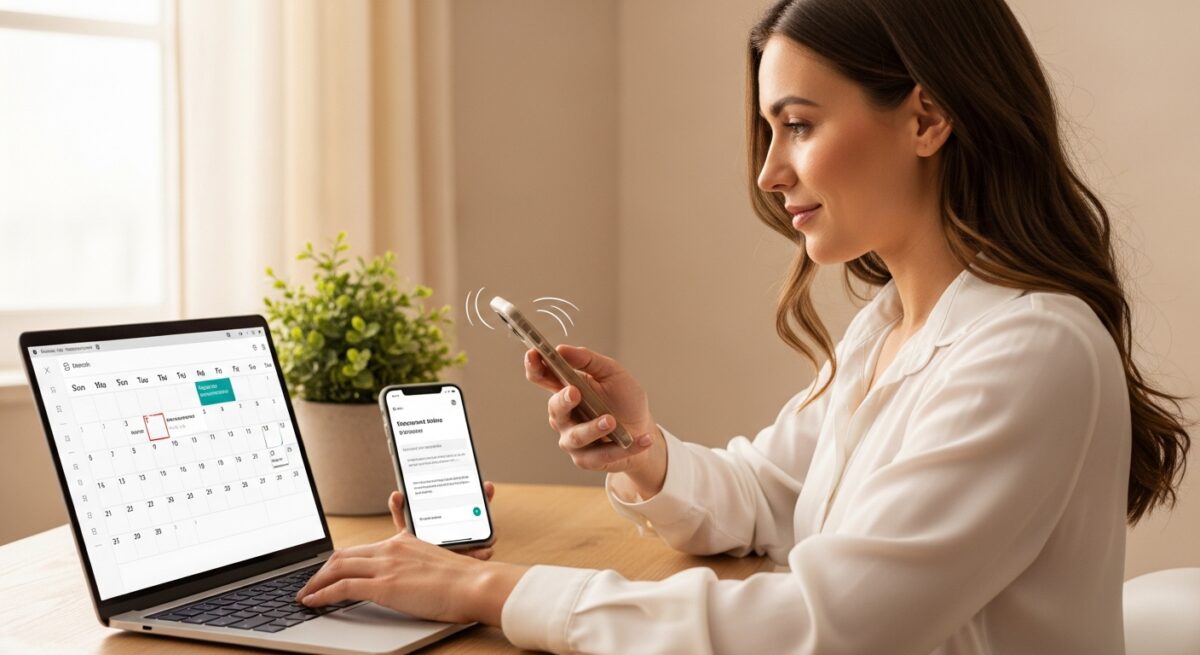
The healthcare industry has experienced a significant transformation in how patients connect with providers, moving from phone-based scheduling to sophisticated digital platforms. Medical appointment scheduling apps and digital booking systems now serve as the primary gateway for millions seeking care, offering convenience that traditional methods cannot match. These tools eliminate phone tag, reduce administrative burdens, and empower patients to take control of their healthcare journey. For telemedicine platforms like DoctorsHome, which provides virtual consultations and at-home testing kits, efficient scheduling is essential for delivering fast, discreet care. Understanding how these systems work and what features matter most can help both patients and providers make informed choices.
How Digital Booking Systems Are Reshaping Healthcare Access
Traditional appointment scheduling often involves multiple phone calls, hold times, and back-and-forth communication to find a suitable time slot. Digital booking systems remove these friction points by allowing patients to view real-time availability and book appointments instantly through an online healthcare scheduling app. This shift has proven especially valuable for telemedicine services, where the goal is to minimize barriers between a patient and a licensed provider.
For example, DoctorsHome offers a streamlined process where patients fill out a simple online form, receive a doctor review, and get prescriptions or test kits delivered within two to five business days. The entire experience depends on a seamless scheduling interface that integrates with clinical workflows. Without an effective digital booking system, delays in appointment confirmation could compromise the speed and discretion that telemedicine patients expect.
Beyond convenience, these systems reduce no-show rates by sending automated reminders via email or text. Patients can reschedule or cancel appointments without human intervention, freeing staff to focus on clinical care rather than administrative tasks. As healthcare continues to embrace virtual visits, the role of medical appointment scheduling apps and digital booking systems will only grow more central to patient satisfaction and operational efficiency.
Key Features of an Effective Medical Appointment Scheduling App
Not all scheduling apps deliver the same level of functionality. When evaluating options for a practice or personal use, certain features distinguish high-performing systems from basic calendar tools. Below are essential capabilities to look for:
- Real-time availability display: Patients see open slots instantly without waiting for staff confirmation, reducing booking friction.
- Two-way sync with provider calendars: The system automatically updates when appointments are booked, canceled, or rescheduled, preventing double-booking.
- Automated reminders and notifications: Customizable messages via email, SMS, or app push reduce missed appointments and improve patient engagement.
- Secure patient portal integration: Patients can access their medical history, upload documents, and complete intake forms before the visit.
- Multi-location and multi-provider support: For larger practices or telemedicine networks, the system must handle complex scheduling across multiple clinicians and locations.
These features directly impact the patient experience. A platform that lacks real-time availability, for instance, forces patients to wait for a callback, undermining the convenience that digital scheduling promises. For telemedicine providers like DoctorsHome, integration with secure patient portals is especially important, as it enables patients to submit health information before a virtual consultation. This preparation allows doctors to review cases ahead of time, making the actual visit more efficient and focused.
Benefits for Patients: Convenience, Choice, and Control
For patients, the primary advantage of a healthcare appointment app is the ability to schedule care on their terms. Instead of working around office hours or waiting on hold, patients can book visits at any time of day or night. This flexibility is particularly valuable for individuals managing chronic conditions or seeking discreet care for sensitive health concerns.
DoctorsHome caters to patients who prefer confidentiality, offering virtual consultations for conditions like herpes virus and eye allergies, as well as at-home testing kits for various health markers. The ability to schedule an online visit without leaving home aligns with the growing demand for convenient, private healthcare. Patients using these digital systems report higher satisfaction because they avoid unnecessary travel, reduce wait times, and receive faster treatment.
Additionally, digital booking systems often provide access to provider profiles, allowing patients to choose a clinician based on specialty, experience, or language preference. This level of choice was previously unavailable in many traditional settings. When patients feel empowered to select their preferred provider and time slot, trust in the healthcare system improves, leading to better adherence to follow-up appointments and treatment plans.
Operational Advantages for Healthcare Providers
Healthcare providers who adopt medical appointment scheduling apps and digital booking systems gain significant operational efficiencies. Automating the scheduling process reduces the workload on front-desk staff, allowing them to focus on more complex patient needs. Many systems also offer analytics dashboards that track appointment volume, cancellation rates, and peak booking times, enabling data-driven decisions about staffing and resource allocation.
For telemedicine platforms, integration between the booking system and electronic health records (EHR) is critical. When a patient schedules a virtual visit, their information should flow seamlessly into the clinical workflow. DoctorsHome achieves this by using a simple online form that captures patient details before the doctor review, ensuring that the provider has context before the consultation begins. This integration minimizes administrative overhead and accelerates the delivery of prescriptions or test kits.
Another operational benefit is reduced no-show rates. Automated reminders have been shown to decrease missed appointments by up to 30 percent in some studies. For a service that relies on timely consultations, such as telemedicine for acute conditions, lower no-show rates translate directly into better patient outcomes and higher revenue. Providers can also use waitlist features to fill canceled slots quickly, maximizing the utilization of clinical time.
Security and Compliance Considerations
When handling patient data, security is non-negotiable. Medical appointment scheduling apps must comply with the Health Insurance Portability and Accountability Act (HIPAA) in the United States, which sets standards for protecting sensitive health information. Encryption during data transmission, secure authentication protocols, and regular security audits are essential components of any compliant system.
Patients should look for platforms that clearly communicate their privacy practices. DoctorsHome emphasizes discretion and confidentiality, assuring patients that their information is safe and secure when using the service. This commitment extends to the scheduling process, where personal details and health history are protected from unauthorized access.
Providers must also consider data storage and backup policies. If a scheduling system experiences downtime, patient access to care should not be disrupted. Redundant servers and disaster recovery plans help maintain continuity. For telemedicine services that operate across multiple states, compliance with state-specific telemedicine laws adds another layer of complexity. A robust digital booking system should be flexible enough to accommodate varying regulatory requirements without compromising user experience.
Integration with Telemedicine and At-Home Testing
The convergence of digital scheduling, telemedicine, and at-home testing represents a powerful shift in healthcare delivery. Patients can now book a virtual consultation, discuss symptoms with a licensed provider, and receive a prescription or testing kit without ever visiting a physical clinic. This model is central to DoctorsHome’s offering, which combines online doctor reviews with pharmacy delivery of medications and test kits.
For example, a patient concerned about vitamin deficiencies can use a healthcare appointment app to schedule a telemedicine visit. During the consultation, the provider may recommend an at-home test kit for vitamin B12, D, or folate levels. The kit is shipped to the patient’s home in discreet packaging, and results are reviewed by the doctor. This seamless integration of booking, consultation, and testing would not be possible without a reliable digital scheduling backbone.
In our guide on online medical appointment scheduling, we explore how these systems streamline the patient journey from initial contact to delivery of care. The guide highlights best practices for both patients and providers seeking to maximize the benefits of digital health tools.
Choosing the Right System for Your Needs
Selecting a medical appointment scheduling app depends on several factors, including the size of the practice, the types of services offered, and the patient population. A solo practitioner may need a simple, affordable solution with basic booking and reminders, while a large telemedicine network requires enterprise-grade features like multi-provider scheduling, EHR integration, and detailed reporting.
Cost is another consideration. Some systems charge a monthly subscription fee based on the number of providers or patients, while others offer free tiers with limited functionality. Providers should evaluate the total cost of ownership, including setup fees, training costs, and any charges for add-on features. For patients, most scheduling apps are free to use, with the cost absorbed by the healthcare provider or included in the consultation fee.
Additionally, the user interface should be intuitive for both patients and staff. A system that is difficult to navigate will frustrate users and reduce adoption rates. Many platforms offer free trials or demo versions, allowing practices to test the software before committing. Reading reviews from other healthcare professionals can also provide insights into reliability and customer support quality.
Frequently Asked Questions
How do medical appointment scheduling apps improve patient access?
These apps provide 24/7 access to real-time availability, allowing patients to book, reschedule, or cancel appointments without phone calls. This reduces wait times and makes it easier for individuals with busy schedules or mobility challenges to receive timely care.
Are digital booking systems secure for sharing health information?
Reputable systems comply with HIPAA and other data protection regulations, using encryption and secure authentication to safeguard patient data. Patients should verify that the platform explicitly states its security measures before entering personal health information.
Can I use a scheduling app to book telemedicine visits?
Yes. Most telemedicine platforms, including DoctorsHome, integrate digital booking directly into their service. Patients fill out an online form, select a time for the doctor review, and receive prescriptions or test kits without an in-person visit.
What happens if I need to cancel or reschedule an appointment?
Digital systems allow you to modify appointments through the app or website. Automated rules may apply regarding cancellation windows, but generally, changes can be made up to a few hours before the scheduled time.
Do these apps work for at-home testing kit orders?
Yes. Many platforms that offer at-home testing, such as DoctorsHome, use scheduling systems to coordinate the doctor review that precedes test kit shipment. The booking process ensures that a licensed provider evaluates the patient’s needs before the kit is dispatched.
For those seeking to finance healthcare costs, exploring external resources such as auto loan refinancing options can free up funds for medical expenses. While not directly related to healthcare, managing personal finances effectively supports overall wellness.
Medical appointment scheduling apps and digital booking systems have become indispensable tools in modern healthcare. They empower patients to take charge of their health journey while enabling providers to operate more efficiently. As telemedicine and at-home testing continue to expand, the role of digital scheduling will remain central to delivering accessible, convenient, and high-quality care. Whether you are a patient seeking a quick consultation or a provider looking to optimize your practice, embracing these technologies is a step toward a smarter healthcare experience.
About the Author: Kevin Ramirez





Sign up for our newsletter and Save 20% on Test Kits
"*" indicates required fields