
How to Reduce Chronic Stress Naturally
How to Reduce Chronic Stress Naturally
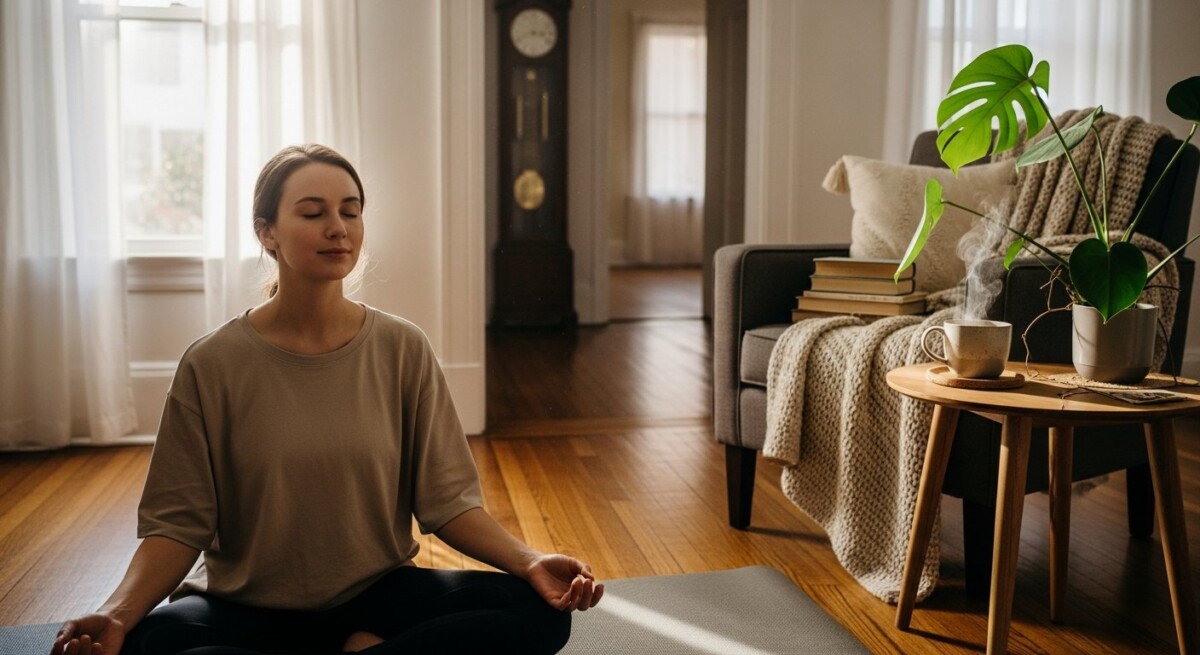
Chronic stress is not merely a feeling of being overwhelmed. It is a sustained physiological state that can disrupt sleep, weaken the immune system, and increase the risk of serious health conditions like heart disease and anxiety disorders. When the body remains in a heightened state of alert for weeks or months, the natural recovery mechanisms that keep us balanced begin to falter. The good news is that effective, research-backed strategies exist for those seeking how to reduce chronic stress naturally without relying solely on medication. These approaches target the root causes of stress dysregulation, helping you restore calm from the inside out.
The Physiology of Chronic Stress and Why Natural Methods Work
To understand how to reduce chronic stress naturally, it helps to first understand what is happening inside the body. When you perceive a threat, your brain activates the sympathetic nervous system, triggering the release of cortisol and adrenaline. This is the fight-or-flight response, and it is designed for short-term survival. In chronic stress, this system remains switched on even when no immediate danger exists. Cortisol levels stay elevated, blood pressure rises, and inflammation increases throughout the body.
Natural stress reduction techniques work by activating the parasympathetic nervous system, often called the rest-and-digest system. This branch of the nervous system lowers heart rate, reduces cortisol production, and promotes a state of calm. Unlike pharmaceutical interventions that may target only one neurotransmitter or receptor, natural methods engage multiple pathways simultaneously. They address the physical, emotional, and behavioral components of stress, creating a comprehensive foundation for long-term resilience.
Breathwork and Respiratory Techniques
One of the most immediate tools for how to reduce chronic stress naturally is conscious breath control. The way you breathe directly influences your nervous system. Shallow, rapid chest breathing signals danger to the brain. Deep, slow diaphragmatic breathing signals safety. By changing your breathing pattern, you can shift your physiology within minutes.
A highly effective technique is the 4-7-8 method. Inhale quietly through your nose for a count of four. Hold your breath for a count of seven. Exhale completely through your mouth for a count of eight. Repeat this cycle four times. The extended exhale activates the vagus nerve, which is the primary nerve of the parasympathetic system. Practicing this twice daily for two weeks can significantly lower resting heart rate and reduce self-reported anxiety levels.
Another powerful approach is box breathing, used by Navy SEALs and first responders to maintain composure under pressure. Inhale for four counts, hold for four counts, exhale for four counts, and hold again for four counts. The equal duration of each phase creates a rhythmic pattern that stabilizes the autonomic nervous system. For best results, practice breathwork at the same time each day, such as immediately after waking or before meals.
Movement and Physical Activity as Stress Medicine
Exercise is one of the most thoroughly validated natural interventions for chronic stress. Physical activity reduces stress hormones like cortisol and adrenaline while increasing endorphins, the body’s natural mood elevators. However, not all movement is equal when the goal is stress reduction. High-intensity interval training can be beneficial for some, but for others it may exacerbate an already overtaxed nervous system.
Moderate, consistent movement tends to be more effective for chronic stress. Walking outdoors, especially in a natural setting like a park or wooded trail, has been shown to lower cortisol levels more effectively than walking on a treadmill indoors. The combination of rhythmic movement, fresh air, and exposure to green space provides a triple benefit. Aim for 20 to 30 minutes of walking five days per week.
Yoga and tai chi are particularly well-suited for how to reduce chronic stress naturally because they combine physical movement with breath awareness and mental focus. Restorative yoga, which uses props to support the body in passive poses, activates the parasympathetic nervous system directly. A single 60-minute session of restorative yoga can reduce cortisol levels by an average of 30 percent, according to research published in the Journal of Alternative and Complementary Medicine. For those who prefer a more active practice, slow-flow vinyasa or hatha yoga offer similar benefits.
Nutritional Strategies for Cortisol Regulation
What you eat plays a direct role in how your body handles stress. High-sugar foods and refined carbohydrates cause rapid spikes and crashes in blood glucose, which triggers additional cortisol release. Conversely, whole foods that stabilize blood sugar help keep the stress response in check. A diet rich in vegetables, lean proteins, healthy fats, and complex carbohydrates provides the building blocks for neurotransmitter production and hormone balance.
Key nutrients to prioritize include magnesium, omega-3 fatty acids, and B vitamins. Magnesium, found in leafy greens, nuts, seeds, and dark chocolate, helps regulate the hypothalamic-pituitary-adrenal (HPA) axis, the central stress response system. Omega-3s from fatty fish like salmon, mackerel, and sardines reduce inflammation and support brain health. B vitamins, particularly B6, B12, and folate, are essential for the production of serotonin and dopamine.
Consider these dietary adjustments to support natural stress reduction:
- Start your morning with a protein-rich breakfast to stabilize blood sugar and avoid mid-morning cortisol spikes.
- Incorporate fermented foods like yogurt, kimchi, or sauerkraut to support gut health, since the gut-brain axis influences mood and stress perception.
- Reduce caffeine intake after noon, as caffeine can keep the stress response active into the evening and interfere with sleep quality.
Hydration is equally important. Even mild dehydration elevates cortisol levels. Aim for eight to ten glasses of water per day, and consider herbal teas like chamomile, lavender, or passionflower, which have mild calming properties that can complement your overall approach to how to reduce chronic stress naturally.
Sleep Hygiene and Circadian Alignment
Sleep and stress share a bidirectional relationship. Chronic stress disrupts sleep, and poor sleep increases stress sensitivity. Addressing sleep quality is therefore a non-negotiable component of any natural stress reduction plan. The goal is to align your sleep-wake cycle with your natural circadian rhythm, which is regulated by exposure to light and darkness.
To improve sleep hygiene, establish a consistent bedtime and wake time, even on weekends. Exposure to bright light in the morning, especially sunlight within the first hour of waking, helps set your internal clock. In the evening, dim lights and avoid screens for at least 60 minutes before bed. Blue light from phones, tablets, and computers suppresses melatonin production, making it harder to fall asleep.
Create a wind-down routine that signals to your body that it is time to rest. This might include a warm bath, gentle stretching, reading a physical book, or listening to calming music. Keep your bedroom cool, dark, and quiet. A temperature between 65 and 68 degrees Fahrenheit is optimal for sleep. If racing thoughts keep you awake, try a cognitive shuffle technique: visualize a word and then imagine objects that start with each letter. This simple distraction can quiet the mind and facilitate sleep onset.
Mindfulness and Cognitive Reframing
Mindfulness meditation is one of the most extensively studied natural interventions for chronic stress. It involves paying attention to the present moment without judgment. Regular practice reduces activity in the amygdala, the brain’s fear center, and strengthens the prefrontal cortex, which governs rational decision-making and emotional regulation.
A practical starting point is the body scan meditation. Lie down or sit comfortably and bring your attention to your feet. Slowly move your awareness up through your legs, torso, arms, neck, and head. Notice any sensations, tension, or warmth without trying to change them. This practice takes about 10 to 20 minutes and can be done daily. Over time, it teaches you to recognize the physical signs of stress early, before they escalate into full-blown anxiety.
Cognitive reframing is another powerful technique. It involves identifying automatic negative thoughts and replacing them with more balanced perspectives. For example, instead of thinking, “I can’t handle this,” you might reframe it as, “This is challenging, but I have managed difficult situations before.” This shift reduces the emotional intensity of stressful events and lowers cortisol secretion. Combining mindfulness with cognitive reframing creates a robust mental toolkit for how to reduce chronic stress naturally.
Social Connection and Support Systems
Humans are social creatures, and isolation is a significant contributor to chronic stress. Meaningful social connections buffer the effects of stress by providing emotional support, practical help, and a sense of belonging. Even brief positive interactions with others can lower cortisol levels and increase oxytocin, a hormone that promotes bonding and calm.
Prioritize quality over quantity when it comes to social connections. Deep conversations with one or two trusted friends are more beneficial than surface-level interactions with many acquaintances. Schedule regular check-ins, whether in person, by phone, or via video call. If you are dealing with a specific stressor, such as a health concern or work pressure, sharing it with someone who listens without judgment can reduce its weight significantly.
For those who prefer structured support, group activities like book clubs, exercise classes, or volunteer organizations provide both social connection and a sense of purpose. Community involvement has been linked to lower rates of depression and higher resilience to stress. If you are using telemedicine services like DoctorsHome to manage a health condition, consider joining an online support group related to that condition to connect with others who understand your experience.
Limiting Stimulants and Digital Overload
Modern life is filled with constant stimulation, much of which keeps the stress response active. Notifications, news alerts, and social media updates trigger micro-doses of cortisol throughout the day. Reducing digital overload is a simple yet highly effective way to lower your overall stress load.
Set specific times during the day to check email and social media, rather than responding to every notification immediately. Consider a digital sunset, where you turn off all screens one to two hours before bed. This not only improves sleep but also gives your nervous system time to downshift. If you find it difficult to disconnect, use app timers or grayscale mode on your phone to reduce visual stimulation.
Stimulants like caffeine and nicotine are additional sources of nervous system activation. While moderate caffeine consumption is safe for most people, those with chronic stress may benefit from reducing intake or switching to lower-caffeine alternatives like green tea, which contains theanine, an amino acid that promotes relaxation. Alcohol, though often used as a stress reliever, actually disrupts sleep architecture and increases cortisol the following day, creating a rebound effect that worsens stress over time.
When to Seek Professional Support
Natural strategies are powerful, but they are not a substitute for professional medical care when stress becomes overwhelming. If you experience persistent symptoms such as chest pain, shortness of breath, severe insomnia, or thoughts of self-harm, consult a healthcare provider immediately. Chronic stress can contribute to or worsen conditions like hypertension, diabetes, and autoimmune disorders, and it may require medical management alongside lifestyle changes.
Telemedicine platforms like DoctorsHome offer a convenient way to discuss stress-related health concerns with a licensed provider. Through a virtual consultation, you can receive guidance on managing symptoms, explore whether underlying conditions like thyroid dysfunction or vitamin deficiencies are contributing to your stress, and obtain appropriate prescriptions if needed. At-home testing kits for cortisol, thyroid function, and vitamin levels can provide valuable data to inform your approach. The process is discreet and confidential, with prescriptions and test kits delivered directly to your home within two to five business days.
Integrating natural stress reduction techniques with professional medical support creates a comprehensive, personalized plan. You do not have to navigate chronic stress alone. By combining breathwork, movement, nutrition, sleep hygiene, mindfulness, social connection, and digital boundaries, you build a resilient foundation. And when you need expert input, telemedicine makes it easier than ever to get the care you need without adding more stress to your life.
The journey to how to reduce chronic stress naturally is not about eliminating all stress from your life. Some stress is inevitable and even beneficial. The goal is to restore your body’s ability to return to baseline after a stressful event. With consistent practice and the right support, you can break the cycle of chronic stress and reclaim a sense of calm, control, and well-being.
About the Author: Steven Walker





Sign up for our newsletter and Save 20% on Test Kits
"*" indicates required fields