
Home Supplies for Common Ailments: A Practical Checklist
Build a practical home health kit with essential supplies for common ailments. Learn what to stock, how to store it, and when to seek care.

Every household faces minor illnesses and injuries, from a sudden fever to a scraped knee. Having the right supplies on hand can make those moments less stressful and more manageable. But what exactly should you keep in your home health kit? This guide covers the essential supplies to keep at home for common ailments, how to store them properly, and when to seek professional care. Whether you are stocking a new apartment or refreshing an old kit, this checklist will help you be prepared without overbuying or relying on expired products.
Why a Well-Stocked Home Health Kit Matters
A well-organized home health kit saves time, reduces anxiety, and helps you respond quickly when symptoms strike. Minor ailments like colds, fevers, cuts, and stomach upsets are common and often manageable at home with over-the-counter (OTC) products and basic first-aid items. Having these supplies readily available means you can start supportive care immediately, rather than rushing to a store while feeling unwell or caring for a sick family member.
Moreover, a thoughtful kit can prevent unnecessary trips to urgent care for issues that resolve with rest, hydration, and simple remedies. It also empowers you to monitor symptoms and know when a situation warrants professional evaluation. For telehealth users, having supplies at home complements virtual visits: a clinician may recommend OTC options or self-care steps that you can begin right away. However, it is important to remember that home supplies are not a substitute for medical advice, diagnosis, or treatment. DoctorsHome is an educational publisher and does not provide medical services. Always consult a licensed clinician for persistent or severe symptoms.
Core Categories of Supplies for Common Ailments
When building your home health kit, think in categories: fever and pain relief, oral rehydration, topical care, and first-aid basics. Each category addresses a set of common symptoms. Below, we break down what to include and why.
Fever and Pain Relief
Fever reducers and pain relievers are among the most frequently used OTC medications. They can help manage discomfort from colds, flu, headaches, muscle aches, and minor injuries. Common options include acetaminophen (paracetamol) and ibuprofen. Acetaminophen is generally gentle on the stomach but can harm the liver if overused; ibuprofen is an anti-inflammatory that can irritate the stomach and should be avoided in certain conditions. Always follow label instructions and consult a clinician if you have underlying health conditions or are taking other medications.
For children, it is crucial to use pediatric formulations and weight-based dosing. Never give adult medications to children without clinician guidance. Aspirin should not be given to children or teenagers due to the risk of Reye's syndrome, a rare but serious condition. Keep both adult and children's formulations clearly labeled and stored separately.
Oral Rehydration and Digestive Support
Diarrhea and vomiting can lead to dehydration, especially in children and older adults. Oral rehydration solutions (ORS) are specially formulated to replace water and electrolytes lost during illness. They are available as powders, tablets, or ready-to-drink liquids. Keeping a few packets on hand is wise, as they have a long shelf life and can be a lifesaver during a stomach bug.
In addition to ORS, you might include anti-diarrheal medications (such as loperamide) for adults, but these should not be given to children without medical advice. For heartburn and indigestion, antacids or acid reducers can provide relief. Fiber supplements may help with constipation. Remember that digestive symptoms can sometimes signal a more serious issue; if symptoms are severe, bloody, or persistent, seek medical evaluation.
Topical Care and Skin Protection
Minor cuts, scrapes, burns, and skin irritations are everyday occurrences. A supply of topical antiseptics (such as alcohol wipes or povidone-iodine), antibiotic ointment (e.g., bacitracin or neomycin), and hydrocortisone cream can address many skin issues. Antiseptics help clean wounds, antibiotic ointments prevent infection in minor cuts, and hydrocortisone reduces itching and inflammation from insect bites, eczema, or mild rashes.
Also include sunscreen with at least SPF 30 to protect against sunburn, and aloe vera gel for soothing minor burns. For fungal infections like athlete's foot, an antifungal cream (e.g., clotrimazole) is useful. Keep in mind that not all skin conditions are suitable for self-treatment; spreading rashes, severe pain, or signs of infection (redness, warmth, pus) require professional care.
First-Aid Basics
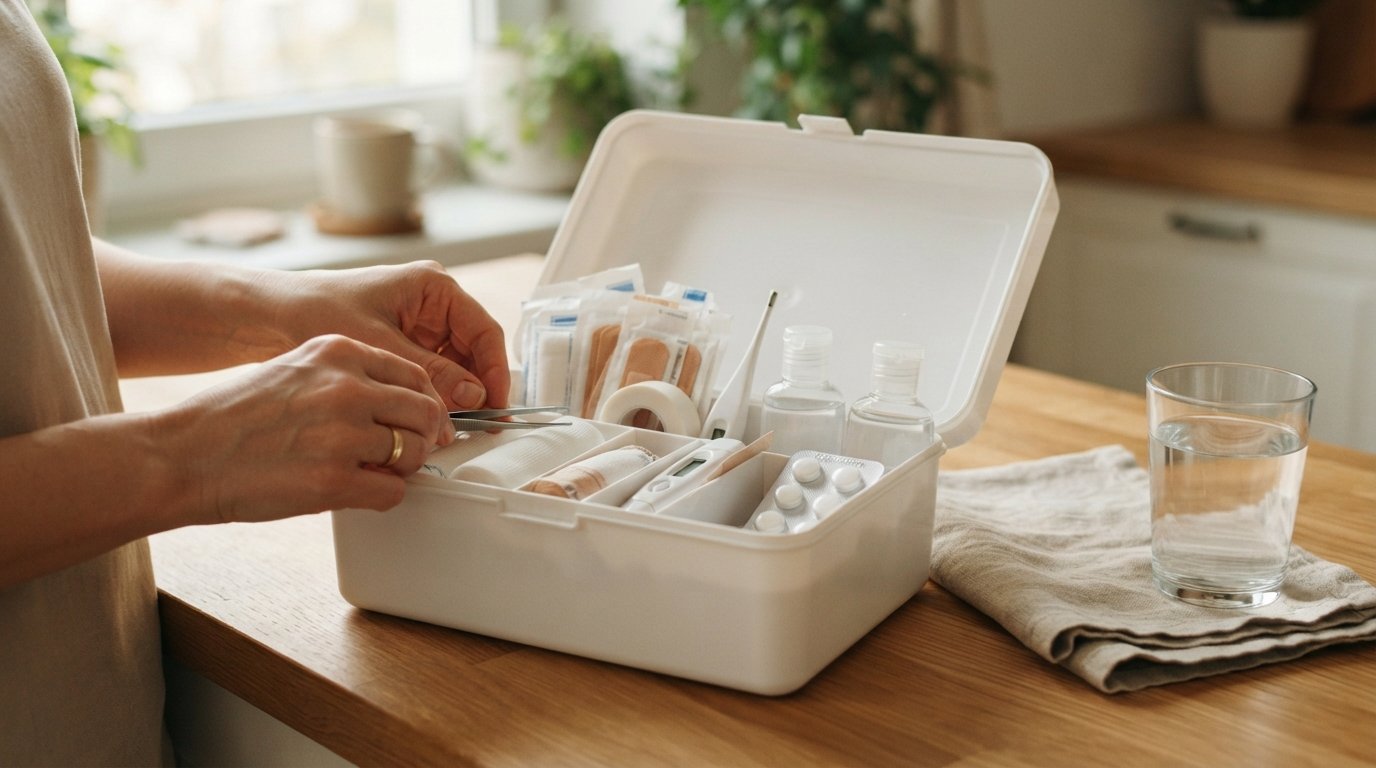
A basic first-aid kit is essential for handling injuries. It should include adhesive bandages in various sizes, sterile gauze pads, medical tape, elastic bandages (for sprains), scissors, tweezers, and disposable gloves. Antiseptic wipes, a digital thermometer, and an instant cold pack are also valuable. For wound cleaning, sterile saline solution can be used instead of hydrogen peroxide, which can damage tissue.
Additionally, consider including a CPR face shield or barrier device, especially if you have training. A first-aid manual or a saved digital guide can walk you through basic procedures. Check your kit regularly to replace used items and ensure everything is in working order.
How to Store and Check Expiration Dates
Proper storage extends the shelf life of your supplies and ensures they work when needed. Medications and first-aid items should be kept in a cool, dry place away from direct sunlight and moisture. Avoid storing them in bathrooms, where humidity can degrade products, or in kitchens near heat sources. A dedicated cabinet or a labeled plastic bin in a hallway closet works well.
Expiration dates matter. Over time, medications can lose potency or become unsafe. Make it a habit to review your kit every six months. Check each item's expiration date and replace anything that has expired or is about to expire. For items without clear dates (like some bandages), inspect for damage or discoloration. Keep a list of contents and dates, or set a calendar reminder. When disposing of expired medications, follow local guidelines; many pharmacies offer take-back programs.
It is also important to keep all medications and hazardous items out of reach of children and pets. Use child-resistant containers where possible, and never transfer medications to unlabeled containers. If you have young children, store poisons (including certain OTC products) in a locked cabinet and keep the Poison Control number (1-800-222-1222 in the US) handy.
Items Not Appropriate for Children Without Clinician Guidance
Children are not simply small adults; their bodies process medications differently. Several OTC products that are safe for adults can be dangerous for children if used without professional guidance. For example, aspirin is contraindicated in children and teens due to the risk of Reye's syndrome. Anti-diarrheal medications like loperamide are generally not recommended for children under 12 without a doctor's advice. Cough and cold medications should not be given to children under 4, and even for older children, they should be used with caution and only as directed by a clinician.
Topical products containing hydrocortisone or antibiotics may be too strong for a child's skin, and some ingredients can be absorbed systemically. Always check with a pediatrician or pharmacist before using any OTC product on a child, especially if the child is under 2 years old or has underlying health conditions. When in doubt, opt for non-medicated supportive care (like saline nose drops or a cool mist humidifier) and seek professional advice.
When Home Supplies Are Not a Substitute for Evaluation
While a well-stocked kit can handle many minor issues, certain symptoms require professional evaluation. Knowing when to seek care is just as important as having supplies on hand. Seek immediate medical attention if you or a family member experience:
- Difficulty breathing, chest pain, or severe allergic reactions (call 911).
- High fever (above 103 F or 39.4 C) that does not respond to medication, or fever with stiff neck, confusion, or rash.
- Signs of dehydration (little urination, dry mouth, dizziness) that persist despite oral rehydration.
- Wounds that are deep, gaping, or show signs of infection (increasing redness, warmth, swelling, pus, or red streaks).
- Severe or persistent abdominal pain, vomiting, or diarrhea.
- Mental health crises, including thoughts of self-harm (call or text 988 in the US).
In these situations, home supplies are not enough. Timely evaluation by a licensed clinician can prevent complications. Telehealth services may be appropriate for some concerns, but emergencies require in-person care. DoctorsHome provides educational content to help you understand treatment options, but it does not diagnose, prescribe, or book visits. Always consult a qualified healthcare provider for medical advice.
Organizing Your Simple Home Health Kit
An organized kit is easier to use and maintain. Start by choosing a container: a clear plastic bin with a lid or a small cabinet works well. Label it clearly and store it in a central, accessible location. Group items by category using small pouches or dividers. For example, keep fever and pain relievers together, digestive supplies in another section, and first-aid items in a separate pouch.
Create an inventory list and tape it to the inside of the container. Include expiration dates for medications and note when you last checked the kit. Consider keeping a digital copy as well. A small notebook with emergency numbers (poison control, your doctor, local urgent care) is also helpful. If you have family members with specific conditions (like allergies or asthma), include their prescribed medications and action plans in a separate, clearly marked section.
Finally, tailor your kit to your household's needs. Families with young children should include pediatric formulations and a nasal aspirator; older adults may need additional items like a blood pressure monitor or glucagon kit if prescribed. Review and update your kit every six months, and replace used items promptly. By keeping your supplies organized and up to date, you will be better prepared for whatever minor ailments come your way.
Remember, this guide is for educational purposes only. DoctorsHome does not provide medical advice, diagnosis, or treatment. Always consult a licensed clinician for personalized guidance.