
Herpes Blisters and Skin Symptoms Explained Clearly
Herpes Blisters and Skin Symptoms Explained Clearly
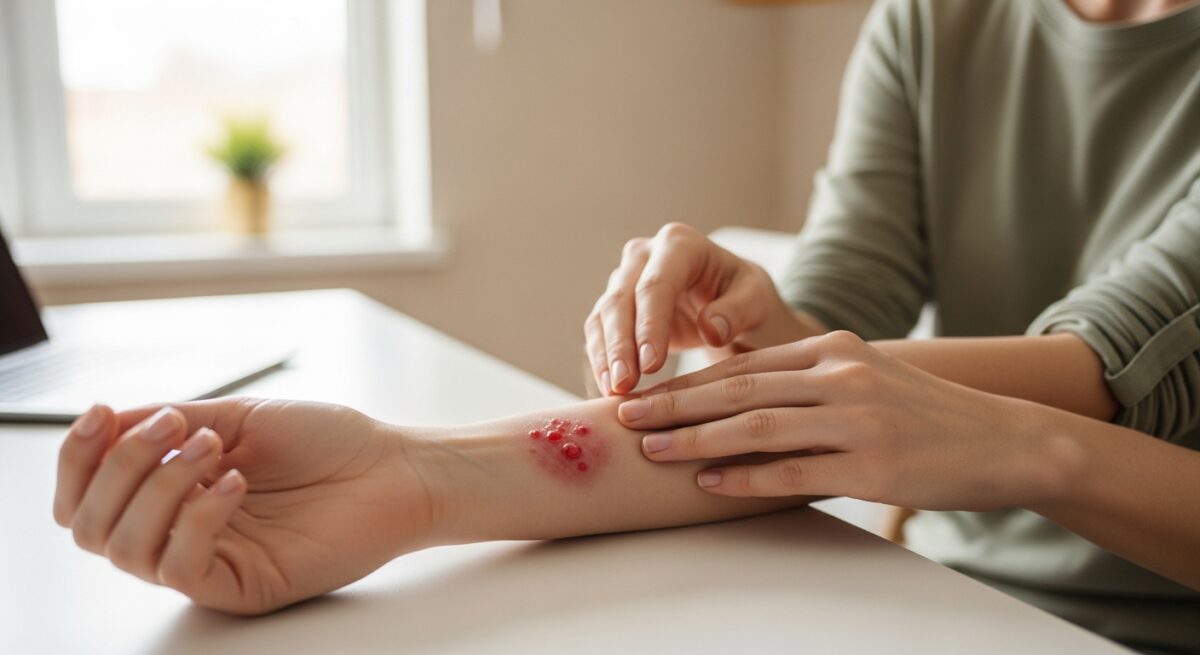
Discovering a cluster of painful, fluid-filled blisters on your skin can be alarming. You might feel a tingling or burning sensation days before any visible change appears. This experience is a classic presentation of the herpes simplex virus (HSV), a common infection that affects millions of people worldwide. Understanding the specific characteristics of herpes blisters on body surfaces and learning to distinguish them from other skin conditions is the first step toward effective management and relief. This article provides a clear, detailed look at herpes blisters and skin symptoms explained for those seeking accurate, actionable information.
What Causes Herpes Blisters on the Skin?
Herpes blisters are caused by an infection with the herpes simplex virus. There are two main types of this virus. HSV-1, often called herpes simplex 1 on skin, traditionally causes oral herpes (cold sores) around the mouth. However, it can also cause genital herpes through oral-genital contact. HSV-2 is the primary cause of genital herpes. Both types can produce lesions on the skin in their respective areas. The virus enters the body through small breaks in the skin or mucous membranes. Once inside, it travels to nerve cells near the spinal cord, where it remains dormant. Various triggers, such as stress, illness, fatigue, or sun exposure, can reactivate the virus, causing it to travel back to the skin’s surface and produce new blisters. This cycle of dormancy and reactivation is a hallmark of a herpes infection skin condition.
The body’s immune response plays a significant role in the severity and frequency of outbreaks. Some individuals experience a single outbreak and then never have another. Others may have several recurrences per year. Over time, the immune system often becomes more efficient at suppressing the virus, leading to fewer and milder outbreaks. Factors that can weaken the immune system, such as chronic stress, lack of sleep, or other illnesses, can increase the likelihood of a recurrence. Knowing these triggers can help individuals manage their condition proactively.
Recognizing the Stages of Herpes Blisters
A herpes outbreak typically follows a predictable progression. Recognizing each stage can help you take action early. The stages include:
- Prodrome (Warning Signs): Many people feel a tingling, itching, or burning sensation in the area where the blisters will appear. This can start 12 to 24 hours before any visible lesion is present. This is the best time to begin antiviral treatment for the best chance of reducing severity.
- Vesicle Formation: Small, fluid-filled blisters (vesicles) appear. They are often clustered together on a red, inflamed base. These blisters can be painful or tender to the touch.
- Ulceration and Weeping: The blisters break open, forming shallow, open sores. This stage is highly contagious. Fluid from the sores contains a high concentration of the virus.
- Crusting and Healing: The open sores dry out and form a crust or scab. New skin grows underneath. The lesion heals without scarring in most cases. Healing typically takes 2 to 4 weeks for a primary (first) outbreak and about 5 to 10 days for recurrent outbreaks.
Each stage presents different symptoms and levels of contagiousness. The prodrome and vesicle stages are when the virus is most easily transmitted. Even before blisters are visible, the skin may shed the virus, which is why awareness of early warning signs is critical for preventing the spread to partners. For a deeper look at how modern medicine manages this condition, you can explore our guide on how telehealth for dermatology transforms skin care access.
Common Locations for Herpes Blisters
Oral Herpes (Cold Sores)
As mentioned, herpes simplex 1 on skin most frequently appears on or around the lips, nose, or chin. These are commonly called cold sores or fever blisters. They can also occur inside the mouth, on the gums or the roof of the mouth, particularly during a first infection. Oral herpes is highly contagious and is often spread through kissing or sharing utensils, lip balm, or towels.
Genital Herpes
Genital herpes blisters appear in the genital and anal regions. In men, they may appear on the penis, scrotum, or around the anus. In women, they can appear on the vulva, vagina, cervix, or around the anus. Both men and women can experience blisters on the buttocks, thighs, or lower back. The first outbreak of genital herpes can be particularly severe, accompanied by flu-like symptoms such as fever, body aches, and swollen lymph nodes in the groin area.
Other Areas of the Body
While less common, herpes blisters on body parts beyond the mouth or genitals can occur. This is often due to autoinoculation, where a person touches an active sore and then touches another area of their own skin, such as the eyes or fingers. Herpetic whitlow is a painful infection of the finger, often seen in healthcare workers or children who suck their thumbs during an outbreak. Herpes gladiatorum is a skin infection seen in athletes involved in contact sports like wrestling, where the virus is spread through direct skin-to-skin contact. In all cases, the virus can cause blisters on any part of the body if it gains entry through a cut or abrasion.
Distinguishing Herpes from Other Skin Conditions
Many skin conditions can mimic the appearance of herpes. Accurate diagnosis is essential for proper treatment. Here is how herpes differs from some common look-alikes:
Ingrown Hairs vs. Herpes: An ingrown hair appears as a single, red, sometimes pus-filled bump. It is usually localized to a hair follicle and may be painful. In contrast, herpes blisters are typically multiple, clustered, and appear on a red base. They also have a clear fluid in the early stage, not pus. Ingrown hairs do not cause the tingling prodrome that herpes often does.
Contact Dermatitis vs. Herpes: Contact dermatitis is an allergic reaction to an irritant, such as poison ivy, latex, or certain soaps. It can cause redness, itching, and small blisters. However, dermatitis blisters are usually more diffuse and not clustered in the same way as herpes. They also do not follow the same predictable stages of crusting and healing and are not associated with a prodrome or fever.
Syphilis vs. Herpes: A syphilis chancre (sore) is usually a single, painless ulcer with a firm, raised border. It is not a cluster of blisters. Syphilis is a bacterial infection and is treated with antibiotics, unlike herpes which is viral. Any painless sore in the genital area should be tested for syphilis immediately.
Shingles vs. Herpes: Shingles, caused by the varicella-zoster virus (the same virus that causes chickenpox), can also produce painful blisters. However, the rash of shingles usually appears in a single, linear band or stripe on one side of the body or face. It follows a dermatome (an area of skin supplied by a single nerve root). Herpes simplex, on the other hand, can appear in multiple areas and is not limited to a single dermatome in the same way. Shingles is also more common in older adults and those with weakened immune systems.
Diagnosis of Herpes Infection Skin
If you suspect you have a herpes infection skin condition, a healthcare provider can confirm the diagnosis through several methods. A visual examination of the blisters is often the first step. However, because other conditions can look similar, laboratory testing is often recommended for a definitive diagnosis. The most common test is a viral culture, where a swab of fluid from an unroofed blister is taken and sent to a lab to see if the virus grows. PCR (polymerase chain reaction) tests are also highly accurate and can detect the virus’s genetic material from a swab. Blood tests can detect antibodies to HSV-1 and HSV-2, indicating a past infection, but they cannot tell you when the infection occurred or where on the body it is located. For an active outbreak, a swab test is the most reliable method.
Treatment and Management Options
While there is no cure for herpes, antiviral medications can effectively manage outbreaks and reduce the risk of transmission. Treatment options include:
- Episodic Therapy: Taking antiviral medication at the first sign of an outbreak (during the prodrome phase) can shorten the duration and severity of the outbreak. Common medications include acyclovir, valacyclovir, and famciclovir.
- Suppressive Therapy: For individuals with frequent outbreaks (six or more per year), taking a daily antiviral medication can reduce the frequency of recurrences by 70-80% and lower the risk of transmitting the virus to a partner.
- Home Care: Keeping the area clean and dry, wearing loose-fitting clothing, and applying a cold compress can provide comfort. Over-the-counter pain relievers like ibuprofen or acetaminophen can help with pain and fever.
For those seeking a convenient and private way to access prescription treatment, telemedicine platforms like DoctorsHome offer a streamlined process. You can complete an online consultation, have a licensed medical provider review your symptoms, and receive a prescription delivered discreetly to your home. This approach eliminates the need for an in-person visit and provides timely access to care, which is crucial for starting antiviral therapy during the early prodrome stage.
Additionally, for broader health insights, consider exploring reliable resources for relocation and health management that can help you maintain continuity of care as you move or travel.
Frequently Asked Questions
Can I spread herpes to other parts of my own body?
Yes, this is called autoinoculation. During a primary outbreak, when the immune system has not yet built antibodies, it is possible to touch a sore and then touch another area of skin, such as your eye or finger, and create a new infection there. Once the immune system has responded and antibodies are present, autoinoculation is much less likely.
How long are herpes blisters contagious?
You are contagious from the very first sign of the prodrome (tingling) until the sores have completely healed and new skin has formed over the area. This typically takes 5 to 10 days for a recurrent outbreak. The virus can be shed from the skin even when no symptoms are present, a phenomenon known as asymptomatic shedding.
Can I get herpes from a toilet seat or towel?
The herpes virus is fragile and does not survive long outside the human body. It is extremely unlikely to contract herpes from a toilet seat. However, the virus can survive for a short time on moist surfaces, such as a damp towel. Sharing towels with someone who has an active outbreak carries a small risk of transmission.
Does stress really cause outbreaks?
Yes, emotional and physical stress are well-documented triggers for herpes outbreaks. Stress can suppress the immune system, making it harder for your body to keep the virus in its dormant state. Managing stress through exercise, meditation, adequate sleep, and a healthy diet can help reduce the frequency of recurrences.
Is it safe to have sex during an outbreak?
No. You should absolutely avoid any sexual contact (vaginal, anal, or oral) from the moment you feel the first prodrome symptoms until all sores are completely healed and the scabs have fallen off. Even using a condom is not fully protective because the virus can be present on skin not covered by the condom.
Understanding herpes blisters and skin symptoms explained in this article empowers you to recognize the condition early, seek appropriate medical care, and take steps to manage it effectively. With modern antiviral treatments and the convenience of telemedicine, managing this condition has never been more accessible. If you experience any symptoms of a herpes infection skin condition, consult a healthcare provider for a proper diagnosis and personalized treatment plan.
About the Author: Megan Patel





Sign up for our newsletter and Save 20% on Test Kits
"*" indicates required fields