
COVID-19 Testing and Prevention Tips for 2026
COVID-19 Testing and Prevention Tips for 2026
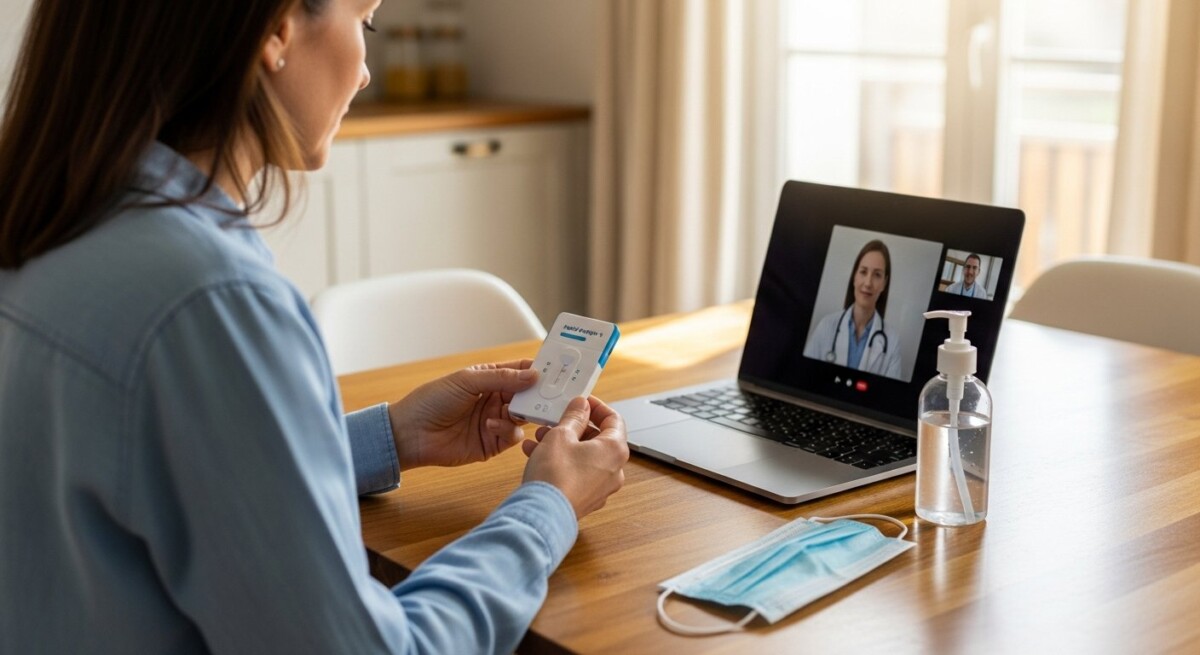
As the world continues to adapt to living with COVID-19, staying informed about testing and prevention remains a cornerstone of personal and public health. Whether you are planning travel, returning to work, or simply want to protect your family, understanding the latest guidance can make a significant difference. This article provides actionable COVID-19 testing and prevention tips to help you navigate current recommendations with confidence and clarity.
Why COVID-19 Testing Still Matters
Routine testing is no longer mandated in most settings, but it remains a critical tool for controlling spread and protecting vulnerable individuals. The virus continues to evolve, and new variants can evade prior immunity or cause breakthrough infections. Testing allows you to make informed decisions about isolation, treatment, and social contact. For many people, the peace of mind that comes from a negative test before visiting an elderly relative or attending a crowded event is invaluable. Additionally, early detection through testing can qualify you for antiviral treatments like Paxlovid, which are most effective when started within five days of symptom onset.
Types of COVID-19 Tests Available
Choosing the right test depends on your situation, timeline, and need for accuracy. There are two primary categories of tests used in the United States today. Understanding the differences helps you pick the best option for your specific scenario.
Rapid Antigen Tests
These are the over-the-counter at-home tests you can buy at pharmacies or order online. They detect proteins from the virus and provide results in about 15 minutes. Rapid antigen tests are excellent for screening when you have symptoms or need a quick answer before an event. However, they are less sensitive than PCR tests, meaning they may miss some infections, especially in people without symptoms. For the most reliable results, follow the instructions exactly and test at the right time in your illness. In our guide on At Home COVID Test Kit Accuracy: Your Complete Usage Guide, we explain how to use these kits for the best results.
PCR and Molecular Tests
Polymerase chain reaction (PCR) tests are the gold standard for accuracy. They detect the virus’s genetic material and can identify even very small amounts. These tests are typically processed in a lab and take one to three days for results. PCR tests are ideal for confirming a diagnosis after a positive antigen test, for travel requirements, or when you need certainty before making important decisions. Some clinics and telemedicine services now offer at-home collection kits that you mail to a lab, combining convenience with lab-grade accuracy.
When considering which test to use, keep these factors in mind:
- Timing: Antigen tests work best when you have symptoms or are in the early days of infection. PCR tests detect the virus earlier and for a longer period.
- Cost: Many insurance plans still cover PCR tests with a doctor’s order. At-home rapid tests may be reimbursed or available at no cost through federal programs.
- Convenience: Rapid tests give results immediately at home. PCR tests require shipping or a clinic visit but offer higher accuracy.
- Travel requirements: Check your destination’s rules. Some countries accept only PCR results from certified labs.
Prevention Strategies That Work
Prevention is not about eliminating all risk. It is about reducing the chance of infection and severe illness. The most effective approach combines multiple layers of protection. Even if you are vaccinated, these strategies add an extra shield, especially during surges or when circulating variants are highly contagious.
Vaccination remains the single most important prevention tool. Updated booster shots are formulated to protect against current variants and are recommended for everyone aged six months and older. Beyond vaccines, simple hygiene measures continue to play a role. Frequent handwashing, avoiding touching your face, and cleaning high-touch surfaces reduce the transmission of not only COVID-19 but also other respiratory viruses like influenza and RSV.
When and How to Test Effectively
Timing your test correctly is essential for accurate results. Testing too early after exposure can produce a false negative because the viral load is not yet high enough to detect. Testing too late may miss the window for treatment. Here is a practical timeline based on current public health guidance.
If you have been exposed to someone with confirmed COVID-19, wait at least five days before testing with a rapid antigen test. If you develop symptoms earlier, test immediately. A single negative test does not rule out infection, especially if you have symptoms. Repeat testing 24 to 48 hours later increases accuracy. For PCR tests, you can test three to five days after exposure. Many experts recommend a single PCR test for exposed individuals without symptoms, as it is more sensitive.
If you are symptomatic, test as soon as possible. A positive rapid antigen test is highly reliable and does not need confirmation unless you require a PCR result for work or travel. A negative rapid test in a symptomatic person should be followed by a PCR test or a second rapid test the next day. Do not assume you are not infectious just because one test is negative.
Integrating Testing Into Your Health Routine
Many people now keep a supply of at-home tests in their medicine cabinet alongside thermometers and cold medicine. This proactive approach allows you to respond quickly when symptoms appear or before gatherings. Some telemedicine platforms, including DoctorsHome, offer at-home testing kits for COVID-19 and other conditions, making it easy to order tests without a clinic visit. These services often include a virtual consultation with a licensed provider who can answer questions and guide you on next steps based on your results.
If you test positive, take immediate steps to protect others. Isolate for at least five days from symptom onset or the date of your positive test if you have no symptoms. Wear a high-quality mask around others in your household. Contact your doctor or a telemedicine provider to discuss whether antiviral treatment is right for you. For individuals at higher risk due to age or underlying conditions, early treatment can significantly reduce the chance of hospitalization.
Frequently Asked Questions
How long after exposure should I test?
Test five days after exposure if you have no symptoms. If you develop symptoms, test immediately. For the most accurate results with rapid tests, consider testing twice over two to three days.
Can I use an expired at-home test?
Check the FDA website for extended expiration dates. Many manufacturers have received approval to extend the shelf life of their tests. If the expiration date has passed and no extension has been granted, the test may give inaccurate results and should be discarded.
Do I need to test if I had COVID-19 recently?
You can be reinfected, especially with new variants. Testing is recommended if you develop new symptoms after 90 days from your last infection. After 90 days, follow standard testing guidelines.
What should I do if my test is positive?
Isolate for at least five days. Wear a mask around others. Contact a healthcare provider to discuss treatment options, especially if you are at high risk. Let close contacts know so they can monitor their health and test.
Are at-home tests accurate for the latest variants?
Yes, current rapid antigen tests continue to detect the latest variants, including Omicron sublineages. Their sensitivity is somewhat lower than PCR, but they remain a reliable tool when used correctly and repeatedly.
Staying up to date with COVID-19 testing and prevention tips helps you make confident decisions for yourself and your loved ones. As the virus continues to change, the core principles of vaccination, timely testing, and thoughtful prevention remain your best defense. For more information about at-home testing options and virtual consultations, you can explore resources from trusted health services that prioritize convenience and accuracy.
About the Author: James Patel




Sign up for our newsletter and Save 20% on Test Kits
"*" indicates required fields