
Anxiety vs Stress: Key Signs You Should Know
Anxiety vs Stress: Key Signs You Should Know
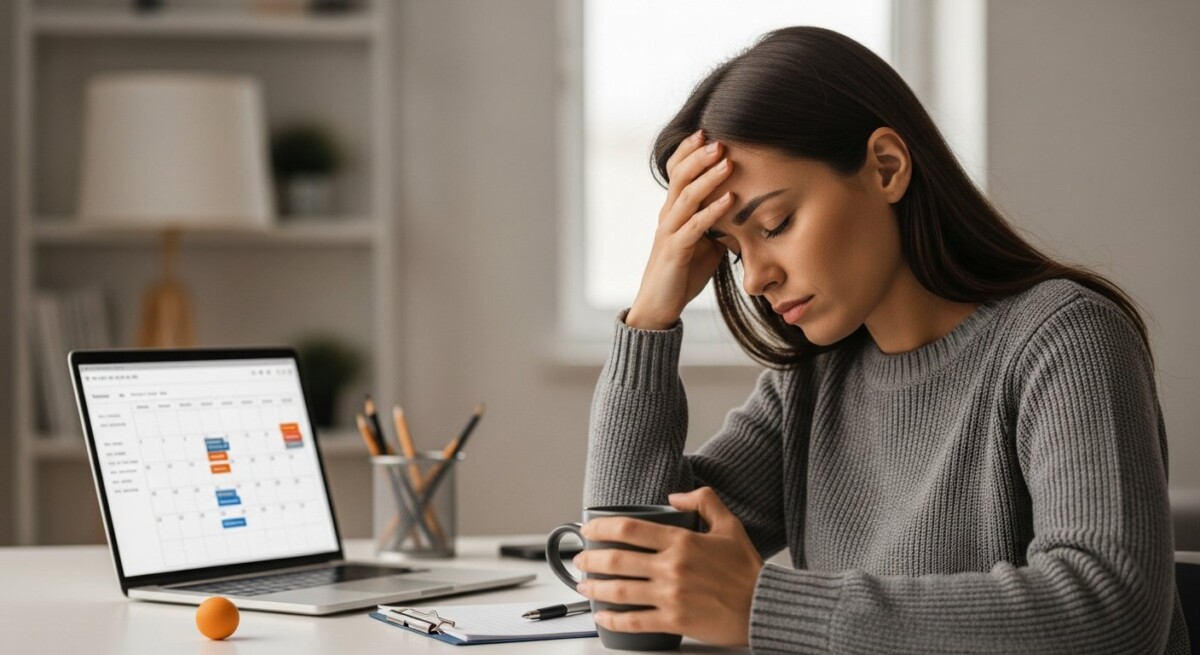
Do you ever feel overwhelmed by a racing heart, shallow breathing, or a constant sense of dread, but you are not sure whether it is stress or anxiety? You are not alone. Many people use the terms stress and anxiety interchangeably, yet they are distinct experiences with different roots, triggers, and physical responses. Understanding the signs of anxiety vs stress is not just a matter of semantics. It can help you choose the right coping strategies, know when to seek professional help, and ultimately regain a sense of control over your mental well-being. This article breaks down the core differences, the overlapping symptoms, and the practical steps you can take to address each one.
What Is Stress and How Does It Feel?
Stress is your body’s natural response to an external demand or pressure. It is often tied to a specific situation such as a tight deadline at work, a financial worry, or a major life change like moving to a new city. When you perceive a challenge, your body releases hormones like cortisol and adrenaline, preparing you for a fight-or-flight reaction. This response can be helpful in short bursts, sharpening your focus and giving you energy to meet a deadline. However, when stress becomes chronic, it can wear down your physical and emotional resources.
Common physical signs of stress include tension headaches, muscle tightness in the neck and shoulders, fatigue, and trouble sleeping. You might notice changes in your appetite or digestion, such as stomach upset or cravings for comfort foods. Emotionally, stress often shows up as irritability, frustration, or a sense of being overwhelmed. Because stress is usually linked to a clear cause, you can often identify what is bothering you. For example, you might say, “I am stressed about my upcoming presentation.” The pressure has a source, and once that source is removed or resolved, the stress typically fades.
What Is Anxiety and How Does It Manifest?
Anxiety, in contrast, is a persistent feeling of worry, fear, or unease that can occur even without an obvious external trigger. While stress is a reaction to a specific demand, anxiety is often more diffuse and future-oriented. You might feel a knot in your stomach or a racing mind, but you cannot always pinpoint exactly why. Anxiety can be a normal emotion in moderation, but when it becomes excessive or lasts for weeks or months, it may indicate an anxiety disorder.
Physical symptoms of anxiety can mirror those of stress, including rapid heartbeat, shortness of breath, sweating, and trembling. However, anxiety tends to involve more cognitive symptoms such as catastrophic thinking, difficulty concentrating, and a constant sense of impending doom. People with anxiety often experience restlessness and find it hard to relax even in safe environments. Unlike stress, which often resolves when the pressure is removed, anxiety can linger and create a cycle of worry that feels self-sustaining.
Key Differences in the Signs of Anxiety vs Stress
To distinguish between stress and anxiety, it helps to look at three main areas: triggers, duration, and thought patterns. Stress is almost always tied to an identifiable stressor. Once that stressor is removed, stress levels usually drop. Anxiety, however, can persist even when life seems calm. It is less about an external event and more about how your brain processes uncertainty and threat.
Another major difference lies in the nature of the thoughts. Stress-related thoughts are often practical and solution-focused. You might think, “I need to finish this project by Friday, so I will skip lunch to work.” Anxiety-related thoughts are more ruminative and hypothetical. You might think, “What if I fail? What if everyone judges me? What if I lose my job?” These thoughts can loop endlessly without a clear resolution.
Consider this comparison of common signs:
- Stress signs: Irritability, muscle tension, fatigue, difficulty sleeping due to overthinking a specific problem, changes in appetite, and a feeling of being overwhelmed by responsibilities.
- Anxiety signs: Persistent worry that is hard to control, restlessness, rapid heartbeat without a clear cause, avoidance of situations that might trigger fear, and physical symptoms like dizziness or nausea.
It is important to note that these conditions can overlap. Chronic stress can trigger an anxiety disorder, and living with anxiety can make you more vulnerable to stress. Recognizing the signs of anxiety vs stress is the first step in addressing the root cause rather than just the symptoms.
When Does Stress Become Anxiety?
A common question is whether stress can turn into anxiety. The answer is yes, but it is not automatic. Prolonged exposure to high stress can alter your brain chemistry and lower your threshold for worry. When your body stays in a heightened state of alert for weeks or months, it can start to react to minor challenges as if they were major threats. This shift is one of the key indicators that stress has crossed into anxiety territory.
If you notice that your worry has become more generalized, that you are avoiding situations you used to handle easily, or that physical symptoms like chest tightness or shortness of breath occur even when you are not under immediate pressure, it may be time to evaluate whether anxiety is present. The duration of symptoms matters too. According to clinical guidelines, if you experience significant anxiety most days for six months or longer, you may meet the criteria for a generalized anxiety disorder. At that point, professional help is strongly recommended.
Practical Steps to Manage Stress
Managing stress often starts with identifying the source and making practical changes. Time management techniques such as breaking large tasks into smaller steps, setting priorities, and delegating can reduce the feeling of being overwhelmed. Physical activity is one of the most effective stress relievers because it burns off the adrenaline and cortisol that build up during a stressful day. Even a 20-minute walk can make a noticeable difference.
Another powerful tool is setting boundaries. If work emails are flooding your evenings, try turning off notifications after a certain hour. If family obligations are piling up, learn to say no or ask for help. Stress thrives when you feel like you have no control. Taking small actions to reclaim your time and energy can shift your mindset from helplessness to empowerment. Finally, do not underestimate the value of sleep. Chronic stress often disrupts sleep, which in turn makes you less resilient to stress. Creating a consistent wind-down routine can break this cycle.
Practical Steps to Manage Anxiety
Anxiety management often requires a different approach because the triggers are less concrete. Cognitive behavioral techniques can be very effective. For example, when you notice a catastrophic thought, try to challenge it by asking, “What is the evidence for this fear? What is the most likely outcome?” This simple questioning can help ground you in reality rather than worst-case scenarios.
Breathing exercises are another immediate tool. Slow, deep breathing activates the parasympathetic nervous system, which calms the body’s stress response. Try inhaling for four counts, holding for four counts, and exhaling for six counts. Repeat this for a few minutes whenever you feel anxiety rising. Mindfulness meditation also helps by training your brain to stay in the present moment rather than spiraling into future worries.
For those whose anxiety is persistent or interfering with daily life, professional support can be life-changing. Therapy, particularly cognitive behavioral therapy (CBT), is a well-researched treatment for anxiety. In some cases, medication prescribed by a licensed healthcare provider may be appropriate. At DoctorsHome, we offer telemedicine consultations where you can talk to a licensed professional from the comfort of your home. This can be a convenient first step if you are unsure where to start. In our guide on how telehealth for anxiety treatment is changing mental health care, we explain how virtual visits can help you access care quickly and discreetly.
How At-Home Testing Can Support Your Mental Health
Physical health and mental health are deeply connected. Sometimes, what feels like anxiety may actually be a physical condition such as a thyroid imbalance, vitamin deficiency, or hormonal fluctuation. For instance, low vitamin D or B12 levels can cause fatigue and mood changes, while thyroid disorders can mimic anxiety symptoms. This is one reason why a holistic approach is important.
DoctorsHome offers a range of at-home medical testing kits that can help rule out or identify physical contributors to your symptoms. These include tests for thyroid function, cortisol levels, vitamin B12 and D, and more. The process is simple: you order a kit online, collect a sample at home, and mail it to a lab. Results are reviewed by a healthcare professional, and you receive guidance on next steps. While these tests do not replace a mental health evaluation, they can provide valuable information that helps you and your doctor make informed decisions about your care.
When to Seek Professional Help
If your symptoms are severe, lasting, or interfering with your ability to work, maintain relationships, or enjoy life, it is time to reach out to a professional. Warning signs include panic attacks, persistent insomnia, thoughts of self-harm, or an inability to function in daily activities. Similarly, if you have tried self-help strategies for several weeks with no improvement, professional support can offer more targeted solutions.
Telemedicine platforms like DoctorsHome make it easier than ever to connect with a licensed provider without the barriers of travel, wait times, or stigma. You can complete an online intake form, have a virtual consultation, and if appropriate, receive a prescription or a referral for ongoing therapy. The entire process is designed to be confidential and discreet, with medications shipped directly to your door in plain packaging.
Building Long-Term Resilience
Whether you are dealing with stress, anxiety, or a combination of both, building resilience is the key to long-term well-being. Resilience is not about avoiding challenges. It is about developing the skills to bounce back from them. Regular exercise, a balanced diet, adequate sleep, and strong social connections form the foundation. Additionally, practicing self-compassion and allowing yourself to feel emotions without judgment can reduce the intensity of both stress and anxiety.
Another important aspect is monitoring your internal state. Keep a simple journal of your mood, energy, and physical symptoms for a week. This can reveal patterns that help you distinguish between stress and anxiety. For example, you might notice that your heart races every Sunday evening before the work week starts (stress) or that you feel a vague unease even on a relaxing Saturday afternoon (anxiety). Awareness is the first step toward change.
Understanding the signs of anxiety vs stress is not about labeling yourself. It is about equipping yourself with the knowledge to take effective action. Both conditions are common and treatable. With the right tools and support, you can reduce their impact and live a more balanced, peaceful life.
About the Author: James Patel





Sign up for our newsletter and Save 20% on Test Kits
"*" indicates required fields