
What Is a Telemedicine Doctor and How Virtual Care Works
What Is a Telemedicine Doctor and How Virtual Care Works
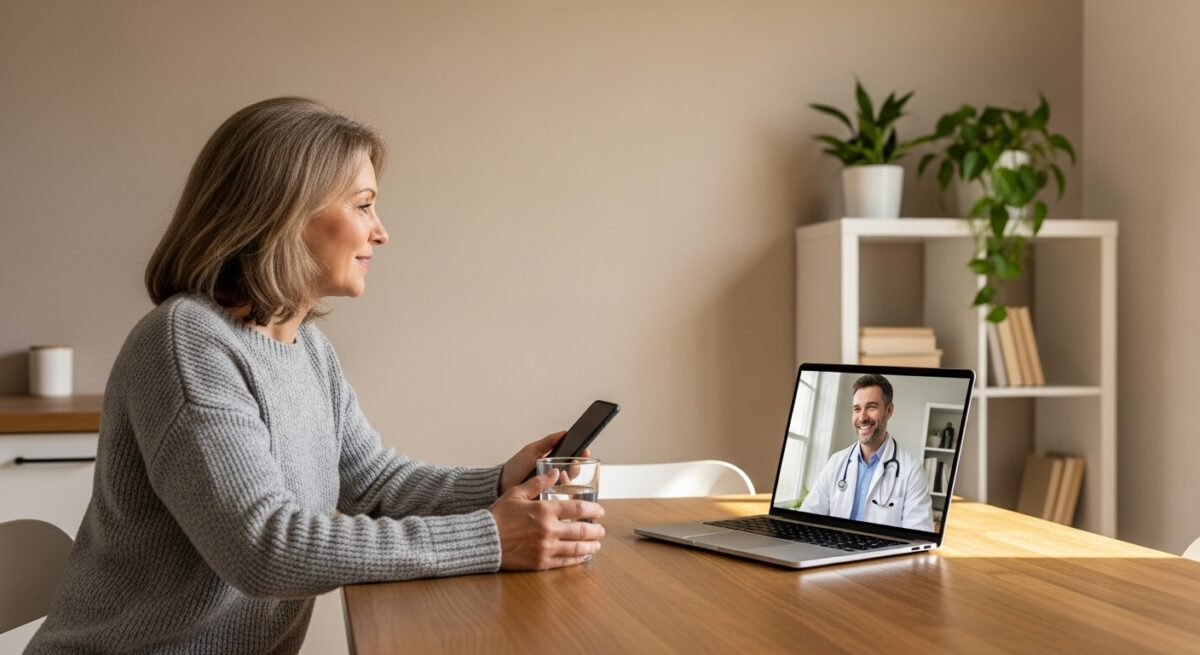
The idea of seeing a doctor without leaving your home has moved from a futuristic concept to a daily reality for millions of people. A telemedicine doctor provides medical consultations through secure video calls, phone calls, or online messaging. This approach removes the need for travel, long waiting rooms, and scheduling conflicts. Instead of sitting in a crowded clinic, you connect with a licensed healthcare professional from your living room, office, or even while traveling. The process is simple, but many people still wonder exactly how it works and whether it can replace traditional in-person visits. Understanding the role of a telemed doctor and the mechanics of virtual care can help you make informed decisions about your health. This article breaks down everything you need to know about telemedicine, from how consultations function to the specific conditions it addresses best.
Defining the Telemedicine Doctor Role
A telemedicine doctor is a licensed physician or healthcare provider who delivers medical services remotely using digital communication technologies. These professionals are not a separate category of doctor. They are the same doctors you would see in a physical clinic. The difference lies in the medium of interaction. Instead of a face-to-face encounter in an exam room, the consultation happens through a screen. This format allows doctors to evaluate symptoms, review medical histories, order lab tests, prescribe medications, and provide follow-up care.
The telemedicine doctor must meet the same licensing and credentialing standards as any other physician. They are required to practice within the scope of their license in the state where the patient is located. Many platforms, including DoctorsHome, ensure that all providers are board-certified and have undergone rigorous background checks. The rise of virtual care has expanded access to specialists in fields such as dermatology, psychiatry, and endocrinology, which were previously difficult to reach without long wait times. A virtual doctor can now diagnose common illnesses, manage chronic conditions, and offer preventive care advice.
For patients, the convenience is significant. You no longer need to take half a day off work or arrange childcare for a 15-minute appointment. The telemed doctor can see you during a lunch break or after hours. This flexibility is especially valuable for those with mobility challenges, those living in rural areas, or anyone with a busy schedule. However, not all medical situations are suitable for virtual care. Serious emergencies, conditions requiring physical examinations, or procedures like stitches still require an in-person visit. A good telemedicine platform helps patients understand these boundaries and directs them to appropriate care when needed.
How Virtual Care Works Step by Step
Virtual care follows a streamlined process designed to be as user-friendly as possible. While each platform may have slight variations, the core steps remain consistent. Understanding this workflow can ease any hesitation about trying telemedicine for the first time.
Step 1: Choose a Platform and Create an Account
You start by selecting a telemedicine service that meets your needs. Platforms like DoctorsHome specialize in specific conditions and offer a range of services from online consultations to at-home testing kits. After selecting a service, you typically create an account by providing basic personal information, including your name, date of birth, and contact details. This step is secure and compliant with privacy laws such as HIPAA in the United States.
Step 2: Complete an Intake Form
Before connecting with a telemedicine doctor, you fill out a detailed intake form. This form asks about your current symptoms, medical history, allergies, medications you are taking, and the reason for your visit. The information you provide helps the doctor prepare for the consultation. Being thorough and honest on this form is critical for an accurate assessment. Some platforms, including DoctorsHome, allow you to start this form at any time, even outside of regular business hours.
Step 3: Connect with the Doctor
Once your form is reviewed, the platform schedules a consultation. This can happen within minutes for urgent concerns or at a pre-scheduled time for follow-up visits. The appointment typically takes place via a secure video call, though some platforms also offer phone or chat options. During the consultation, the doctor will ask clarifying questions, review your symptoms, and discuss potential treatments. They can also request additional information such as photos of a rash or readings from a home blood pressure monitor.
Step 4: Receive a Diagnosis and Treatment Plan
Based on the virtual examination and your reported symptoms, the telemedicine doctor provides a diagnosis and recommends a treatment plan. For many common conditions like urinary tract infections, sinusitis, or herpes simplex virus outbreaks, the doctor can prescribe medication directly. The prescription is sent electronically to a pharmacy of your choice. Some platforms, like DoctorsHome, also offer direct pharmacy delivery, sending medications or test kits to your door in discreet packaging within two to five business days.
Step 5: Follow-Up and Monitoring
Virtual care does not end after the first visit. Many platforms offer follow-up consultations to monitor your progress. This is especially important for managing chronic conditions such as high blood pressure, diabetes, or recurrent herpes outbreaks. The telemedicine doctor can adjust medications, order lab tests, and provide ongoing support without requiring you to schedule multiple in-person appointments.
Conditions Well Suited for Telemedicine
Telemedicine is not a one-size-fits-all solution, but it excels in treating a wide range of conditions. Knowing which health issues are appropriate for virtual care can save you time and ensure you receive effective treatment.
Common acute conditions that respond well to telemedicine include cold and flu symptoms, allergies, sinus infections, bronchitis, urinary tract infections, and skin rashes. Doctors can evaluate these conditions through a combination of patient history, symptom description, and visual inspection via video. For skin issues, high-resolution photos can be very helpful. Chronic conditions like hypertension, diabetes, asthma, and thyroid disorders are also well managed through virtual care, especially for medication adjustments and routine monitoring.
Mental health services are another area where telemedicine has shown remarkable effectiveness. Therapy sessions and medication management for anxiety, depression, and other psychiatric conditions can be conducted entirely online. Many patients find that they open up more easily in the comfort of their own home. Sexual and reproductive health concerns, including birth control consultations, STI testing, and herpes management, are also commonly addressed through telemedicine. For herpes virus treatment, an online consultation with a telemed doctor can lead to a prescription for antiviral medications that help manage outbreaks.
At-home testing kits have expanded the scope of virtual care significantly. Patients can now order kits to test for conditions such as vitamin deficiencies, hormone levels, cholesterol, thyroid function, and infectious diseases. The process involves collecting a sample (blood, saliva, or urine) at home and mailing it to a lab. Results are reviewed by a doctor who can then recommend treatment if needed. This integration of testing and consultation makes virtual care a comprehensive option for many health concerns.
Benefits of Choosing a Virtual Doctor
The advantages of using a virtual doctor extend beyond mere convenience. Cost savings, improved access, and enhanced privacy are significant factors driving the adoption of telemedicine. For patients without insurance or those with high deductibles, telemedicine often provides a more affordable alternative to urgent care or emergency room visits. Many platforms offer transparent pricing with no hidden fees. You know the cost of the consultation upfront, which helps avoid surprise bills.
Access to care improves dramatically with telemedicine. Rural communities, where specialists may be hours away, benefit immensely. Patients in these areas can consult with top physicians without traveling long distances. Similarly, individuals with limited mobility or chronic illnesses that make travel difficult find virtual care life-changing. The ability to see a doctor from home reduces the physical and emotional burden of seeking medical help.
Privacy and discretion are paramount for many patients. Conditions like herpes, erectile dysfunction, or mental health concerns can carry stigma. Visiting a physical clinic may feel uncomfortable. Telemedicine allows you to discuss sensitive issues from a private space. Platforms like DoctorsHome emphasize discreet packaging for prescriptions and test kits, adding an extra layer of confidentiality. For those managing recurring conditions, the ability to quickly refill prescriptions without an in-person visit is a major benefit.
Another key advantage is the speed of care. Many telemedicine platforms offer same-day or next-day appointments. For non-emergency conditions, this means you can start treatment sooner. Early intervention often leads to better outcomes and prevents conditions from worsening. The streamlined process of filling an online form, connecting with a doctor, and receiving a prescription or test kit can be completed within a single day.
Limitations and When to See a Doctor In Person
While telemedicine is powerful, it has limitations that patients must understand. Certain medical situations require hands-on examination, diagnostic imaging, or emergency intervention that cannot be replicated virtually. Chest pain, severe bleeding, difficulty breathing, head injuries, and signs of stroke are emergencies that demand immediate in-person care. Calling 911 or going to the nearest emergency room is always the right choice in these scenarios.
Virtual care is also limited when a physical examination is essential for diagnosis. A telemedicine doctor cannot listen to your heart or lungs with a stethoscope, palpate your abdomen, or examine your ears and throat directly. For conditions where these examinations are critical, such as suspected pneumonia or appendicitis, the doctor will likely recommend an in-person visit. Similarly, procedures like suturing wounds, removing foreign objects, or performing Pap smears require a physical setting.
Technology barriers can also pose challenges. A stable internet connection and a device with a camera are necessary for video consultations. Patients who are not comfortable with technology or lack access to these tools may find virtual care difficult. However, many platforms offer phone-only options to bridge this gap. It is also important to note that telemedicine is not a substitute for establishing a relationship with a primary care physician for routine preventive care and comprehensive health management.
Frequently Asked Questions About Telemedicine Doctors
Is a telemedicine visit as effective as an in-person visit?
For many common conditions, telemedicine is equally effective. Studies show high patient satisfaction and comparable outcomes for conditions like sinusitis, UTIs, and skin rashes. However, for complex or emergency situations, in-person care remains essential.
Do I need special equipment for a virtual doctor visit?
You typically need a smartphone, tablet, or computer with a camera and microphone, along with a stable internet connection. Some platforms also support phone-only visits.
Can a telemedicine doctor prescribe medication?
Yes. Licensed telemedicine doctors can prescribe medications, including antibiotics and antivirals, when appropriate. They send prescriptions electronically to a pharmacy or arrange direct delivery.
Is my information secure during a telemedicine consultation?
Reputable platforms use encryption and comply with HIPAA regulations to protect your personal health information. Always choose a service that clearly states its privacy policies.
Can I use telemedicine for ongoing chronic condition management?
Absolutely. Many patients with hypertension, diabetes, thyroid disorders, and mental health conditions use telemedicine for regular follow-ups, medication adjustments, and monitoring.
How do I know if my condition is suitable for telemedicine?
Most platforms provide guidance during the intake process. If your condition requires a physical exam or emergency care, the doctor will advise you to seek in-person treatment. When in doubt, you can contact the platform’s support team for guidance.
Making the Most of Your Virtual Care Experience
To get the best results from a telemedicine appointment, preparation is key. Before your consultation, write down your symptoms, when they started, and any factors that make them better or worse. Have a list of your current medications, including dosages, and any allergies you have. If you have a thermometer, blood pressure cuff, or other home monitoring devices, take readings before the call. Good lighting and a quiet space help the doctor assess visual symptoms like rashes or swelling.
Be honest and thorough when describing your condition. The doctor relies entirely on the information you provide. If something is uncomfortable to discuss, remember that the conversation is confidential and the doctor is there to help. After the visit, follow the treatment plan as prescribed. If your symptoms worsen or do not improve, schedule a follow-up or seek in-person care. Telemedicine is a powerful tool, but it works best when combined with your own awareness and proactive involvement in your health.
The landscape of healthcare continues to evolve, and telemedicine is now a permanent part of that landscape. Whether you are managing a chronic condition, seeking treatment for a sudden illness, or simply want a convenient way to consult a professional, a telemedicine doctor offers a safe, effective, and accessible option. For those interested in exploring how this service works in a specific location, our guide on Austin Texas telemedicine doctor visits online provides detailed local insights. Platforms like DoctorsHome are at the forefront of this change, providing comprehensive services from online consultations to at-home testing kits delivered with discretion. By understanding what a telemedicine doctor does and how virtual care works, you can take control of your healthcare journey with confidence and convenience.
Virtual care is not about replacing traditional medicine. It is about expanding access, reducing barriers, and putting patients first. Whether you need a prescription refill, a treatment for a recurrent infection, or a simple health question answered, the telemed doctor is just a click away. As technology improves and more people embrace digital health, the role of the virtual doctor will only grow. For those seeking affordable, discreet, and efficient healthcare, telemedicine is no longer an alternative. It is a smart choice. To learn more about financial tools that can help manage healthcare costs, consider exploring resources like car loan refinancing options to free up budget for your wellness needs.
About the Author: Anthony Collins




Sign up for our newsletter and Save 20% on Test Kits
"*" indicates required fields