
Why At Home Test Kits Boost Preventive Health
Why At Home Test Kits Boost Preventive Health
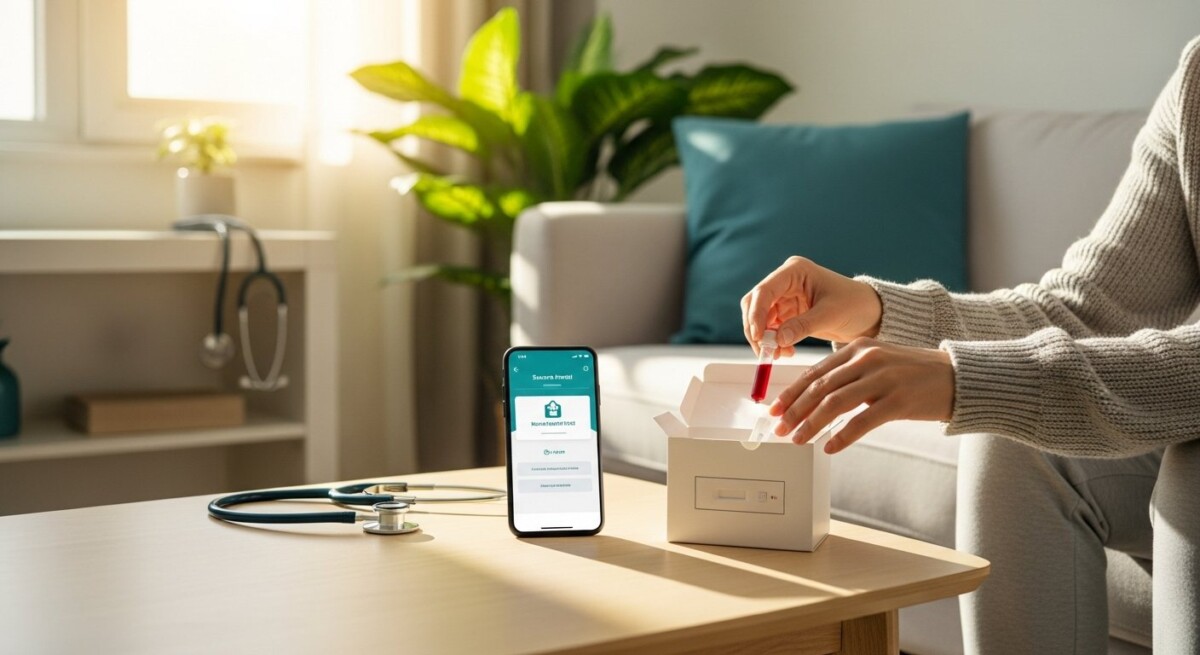
Taking control of your health has never been more convenient. With the rise of telemedicine and direct-to-consumer laboratory services, you can now screen for a wide range of conditions without leaving your house. The preventive health screening at home test kit benefits extend far beyond simple convenience. They offer a private, proactive way to monitor your body’s key signals between traditional doctor visits. For many people, these kits bridge the gap between feeling fine and knowing for sure that everything is operating as it should.
Traditional preventive care often requires scheduling an appointment, taking time off work, traveling to a lab, and waiting for results. At-home test kits remove most of these barriers. You order a kit online, provide a small sample (usually blood, saliva, or urine), and mail it to a certified laboratory. Results arrive in your secure online portal within days. This streamlined process encourages more people to perform regular health checks, which is the cornerstone of preventive medicine. When you understand your baseline levels for key biomarkers, you can make informed decisions about diet, exercise, and when to seek professional medical advice.
In our guide on at home vitamin and health screening test kits, we explain how these tools can help you identify deficiencies and risks early. The preventive health screening at home test kit benefits are particularly valuable for monitoring chronic conditions like diabetes, thyroid disorders, or high cholesterol. Instead of waiting for symptoms to appear, which can sometimes take years, you can catch abnormalities when they are still manageable.
How At Home Health Screening Works
The process is designed to be simple and user-friendly. Most providers follow a similar sequence of steps that ensures accuracy and reliability. First, you select the test or panel that matches your health concerns. Common options include comprehensive metabolic panels, lipid panels, thyroid function tests, vitamin deficiency screens, and hormone level assessments. Some companies offer all-in-one wellness packages that combine multiple tests at a reduced price.
After ordering, the kit arrives in discreet packaging. Inside, you will find clear instructions, collection materials, and a prepaid return envelope. For blood-based tests, you may need to use a lancet to prick your finger and fill a small tube. Saliva tests require collecting a sample in a vial, while urine tests involve a simple cup. The entire collection process usually takes less than ten minutes. Once you mail the sample to the lab, processing times vary from two to five business days. Results are typically delivered through a secure online dashboard that includes easy-to-read charts and reference ranges.
Many people worry about the accuracy of self-collected samples compared to blood draws performed in a clinical setting. However, modern at-home tests use the same CLIA-certified laboratories that process samples from doctors’ offices. The key is following the instructions carefully. For example, some tests require fasting for eight to twelve hours before collection. Others must be collected at a specific time of day due to hormonal fluctuations. When you follow the directions precisely, the results are highly reliable and can be shared directly with your healthcare provider.
Key Preventive Health Screening At Home Test Kit Benefits
Understanding the specific advantages of these kits can help you decide which tests are right for you. Below are the most significant benefits that users consistently report.
Early Detection of Health Issues
Many serious health conditions develop silently. High blood pressure, elevated blood sugar, and vitamin deficiencies often show no symptoms until they have progressed significantly. Regular screening with at-home test kits allows you to detect these issues early. For instance, a simple hemoglobin A1c test can reveal prediabetes years before it becomes full-blown diabetes. Early detection gives you the opportunity to make lifestyle changes or start treatment before complications arise.
Convenience and Time Savings
Traditional lab testing requires a doctor’s order, an appointment, and a trip to a phlebotomy center. At-home testing eliminates all of these steps. You can collect your sample at any time that fits your schedule, even late at night or on weekends. This flexibility is especially valuable for people with demanding jobs, caregivers, or those living in rural areas with limited access to healthcare facilities.
Privacy and Discretion
Some health screenings involve sensitive topics such as sexually transmitted infections, hormone levels, or genetic markers. At-home test kits offer a level of privacy that is hard to achieve in a clinic. Your sample is processed anonymously by the lab, and results are shared only with you. You control who sees the information and when you choose to share it with your doctor. This discretion encourages people to test for conditions they might otherwise avoid discussing.
Cost Effectiveness
Without insurance, a standard lipid panel or thyroid test can cost hundreds of dollars in a hospital lab. At-home test kits often cost a fraction of that price. Many companies offer transparent pricing with no hidden fees. You pay one flat fee that includes the kit, laboratory analysis, and a detailed report. Some services also offer subscription plans that make it easy to track changes over time.
Empowerment Through Data
When you have your own health data, you become an active participant in your care. You can track trends, identify patterns, and have more informed conversations with your healthcare provider. For example, if your vitamin D levels are low, you can adjust your supplementation and retest in three months to see if the change worked. This feedback loop is powerful for maintaining optimal health.
These preventive health screening at home test kit benefits are supported by a growing body of research showing that regular self-monitoring improves health outcomes. People who track their biomarkers are more likely to adhere to treatment plans and make positive lifestyle changes.
Choosing the Right At Home Test Kit
With so many options on the market, selecting the right test can feel overwhelming. To make an informed choice, consider the following factors:
- Certification and Accreditation: Ensure the laboratory used by the provider is CLIA-certified and CAP-accredited. These certifications guarantee that the lab meets federal quality standards.
- Test Menu: Look for a provider that offers a broad range of tests so you can customize your screening based on your age, gender, and health history. Comprehensive panels often provide more value than single-marker tests.
- Customer Support: Choose a company that provides access to medical professionals who can help you interpret your results. Some services include a follow-up consultation with a doctor or health coach.
- Turnaround Time: Check the estimated time from sample receipt to result delivery. Most reputable companies deliver results within five business days.
- Data Security: Review the company’s privacy policy to understand how your health data is stored and shared. Look for HIPAA-compliant platforms that prioritize encryption.
If you are uncertain about which tests to order, consider starting with a general wellness panel that covers the basics: complete blood count, comprehensive metabolic panel, lipid panel, and thyroid markers. From there, you can add specific tests based on your symptoms or family history. For example, if you have a family history of heart disease, you might add an advanced lipid panel that measures particle size and number. If you are experiencing fatigue or hair loss, a vitamin and mineral panel could reveal deficiencies.
Integrating Results Into Your Healthcare Routine
Receiving your test results is only the first step. The true value comes from acting on the information. When you review your results, pay attention to values that fall outside the reference range. Many at-home test providers include explanatory notes that describe what each marker means and how lifestyle factors can affect it. However, these notes are educational and not a substitute for professional medical advice.
Share your results with your primary care physician or a specialist. Your doctor can interpret the numbers in the context of your overall health, medications, and medical history. They can also recommend confirmatory testing if needed. For example, if your at-home test shows elevated liver enzymes, your doctor may order a more detailed liver panel or an ultrasound to rule out underlying disease.
In some cases, the results may indicate a need for immediate medical attention. If your blood sugar is critically high or your kidney function markers are severely abnormal, contact a healthcare provider right away. Telemedicine platforms like DoctorsHome can connect you with a licensed professional who can review your results and recommend next steps, including prescription medications if appropriate. This seamless integration between at-home testing and virtual care makes it easier than ever to address health concerns quickly.
Frequently Asked Questions
Are at home test kits as accurate as tests done in a doctor’s office?
Yes, when you follow the instructions carefully and use a CLIA-certified laboratory, at-home tests are highly accurate. The same labs that process samples from hospitals and clinics process at-home samples. The main variable is the quality of your sample collection. If you have difficulty collecting a sufficient blood sample, the lab may reject it and ask you to retest.
Do I need a doctor’s prescription to order an at home test kit?
Most general wellness tests do not require a prescription. You can order them directly from the provider. However, some states have restrictions on certain tests without a doctor’s order. Check the provider’s website for state-specific guidelines. If you need a prescription for a specific test, telemedicine services can often provide one after a brief consultation.
Can I use these tests to diagnose a medical condition?
No. At-home test kits are screening tools, not diagnostic devices. They provide information that can help you and your doctor identify potential issues. A formal diagnosis requires a clinical evaluation by a licensed healthcare professional. Always follow up with a doctor if your results are outside the normal range or if you have symptoms.
How often should I perform at home health screening?
The frequency depends on your age, health status, and risk factors. For generally healthy adults, annual screening for basic markers like cholesterol, blood sugar, and vitamin levels is reasonable. People with chronic conditions may benefit from testing every three to six months. Discuss a screening schedule with your doctor.
What happens if my sample is lost or damaged in the mail?
Reputable providers offer replacement kits at no charge if the sample is lost or compromised. Check the company’s policy before ordering. Most include tracking numbers and insurance for the shipment.
The preventive health screening at home test kit benefits extend into every aspect of modern healthcare. By making regular screening accessible, affordable, and private, these kits empower you to take charge of your wellness. Whether you are monitoring a chronic condition, checking for vitamin deficiencies, or simply curious about your overall health, an at-home test can provide the answers you need. For those seeking a comprehensive approach to wellness, combining at-home screening with telemedicine consultations creates a powerful health management system. For additional financial flexibility, you might explore options like car loan refinancing to free up funds for your health investments.
Ultimately, the best health screening is the one you actually complete. At-home test kits remove the friction that often prevents people from getting tested. They fit into your life rather than requiring you to fit into a clinic’s schedule. Start with a single test that addresses your most pressing concern. Once you see the value of having your own health data, you will likely want to expand your screening routine. The knowledge you gain is a powerful tool for living a longer, healthier life.
About the Author: Daniel Brooks




Sign up for our newsletter and Save 20% on Test Kits
"*" indicates required fields