
Telehealth Doctor Visits: What to Expect in 2026
Telehealth Doctor Visits: What to Expect in 2026
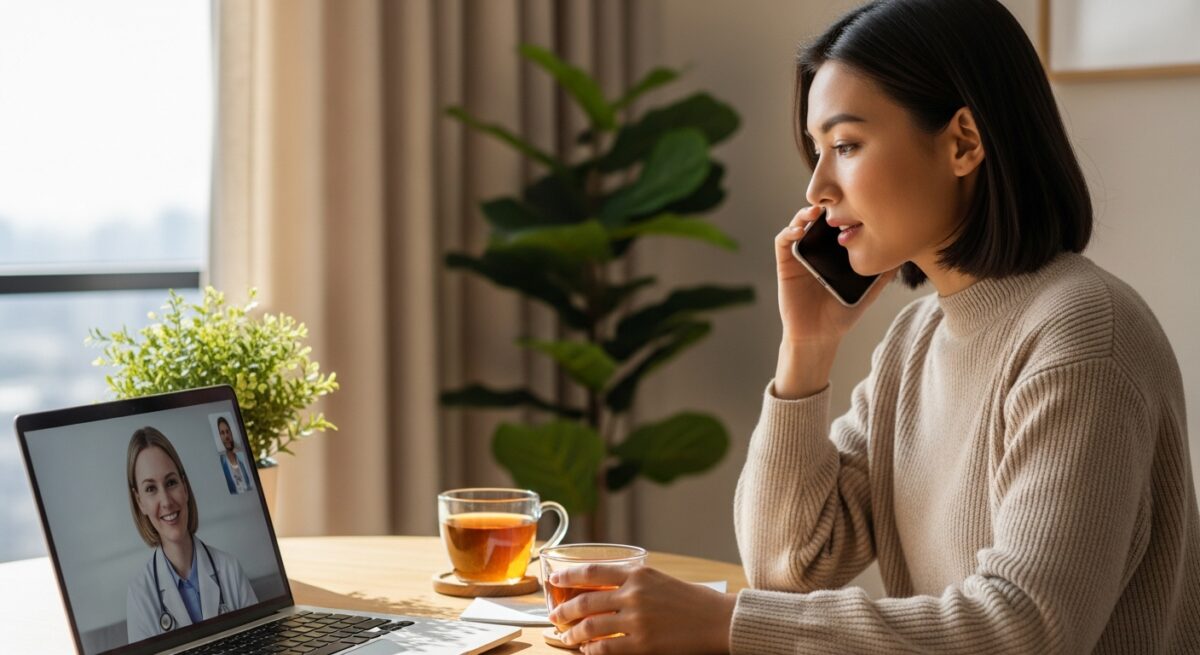
You wake up with a scratchy throat and a headache. You know you need medical advice, but the thought of sitting in a waiting room for an hour sounds exhausting. This is exactly when a telehealth dr visit becomes a lifesaver. Telehealth doctor visits have transformed how we access healthcare, offering a convenient bridge between you and a licensed professional without leaving your home. But if you have never scheduled one, you might wonder what actually happens during a tele dr appointment. The process is simpler than you think, and knowing the steps ahead of time can make your first virtual visit feel just as natural as an in-person checkup.
Telemedicine is not just a pandemic trend. It is a lasting shift in healthcare delivery that prioritizes your time and comfort. When you choose a telehealth doctor visit, you are opting for a consultation that uses secure video, phone, or messaging technology. This approach works well for many common concerns, from cold and flu symptoms to skin rashes, allergies, and prescription refills. Understanding what to expect before, during, and after your appointment helps you get the most out of the experience. Let us walk through the entire process so you feel prepared and confident.
Preparing for Your First Telemedicine Appointment
Preparation for a telehealth visit is similar to getting ready for an in-person appointment, but with a few digital twists. First, you need a device with a camera and microphone, such as a smartphone, tablet, or laptop. A stable internet connection is also essential to avoid dropped calls or frozen video. Before your appointment, find a quiet, private space where you can speak freely with your provider. Good lighting helps the doctor see your symptoms clearly, so sit facing a window or turn on a lamp.
You should also gather your medical history and a list of current medications. If you are using a platform like DoctorsHome, you will fill out an online form detailing your symptoms and health background. This step is crucial because it gives the doctor context before you even speak. Have your insurance information ready if you plan to use it, though many telemedicine services offer affordable cash-pay options. Write down any questions you have in advance, just as you would for a clinic visit. Being organized ensures you do not forget to ask about side effects, next steps, or follow-up care.
Technology Checklist for a Smooth Visit
A little tech prep goes a long way. About 10 minutes before your appointment, test your camera and microphone. Close unnecessary browser tabs to free up bandwidth. If you are using a mobile app, make sure it is updated. Some platforms send a test link beforehand, which you can use to confirm everything works. If you have trouble, most services offer tech support or allow you to switch to a phone call. Remember, the goal is to reduce stress, not add to it. A quick check gives you peace of mind and helps the appointment start on time.
What Happens During a Telehealth Doctor Visit
When your appointment begins, you will connect with a licensed healthcare provider through a secure video link. The doctor will greet you and confirm your identity, just like in a physical office. Then, they will ask about your symptoms, medical history, and any medications you take. This conversation is the core of the visit. The provider may ask you to describe your symptoms in detail, including when they started, how they feel, and what makes them better or worse. For skin conditions, they might ask you to position your camera so they can see the rash or lesion clearly.
The doctor will also discuss any relevant lifestyle factors, such as stress, diet, or recent travel. This holistic approach helps them make an accurate assessment. Based on the discussion, the provider may offer a diagnosis, recommend over-the-counter treatments, or prescribe medication if appropriate. For example, if you have symptoms of a herpes outbreak, the doctor can review your history and prescribe antiviral medication through the platform. For eye allergies, they might suggest prescription eye drops. If the doctor determines that you need in-person care, such as lab work or a physical exam, they will guide you on the next steps.
One common question is whether a tele dr appointment can replace a physical exam entirely. The answer depends on your condition. Many issues, like urinary tract infections, sinusitis, and mild skin problems, can be managed virtually. However, if you have chest pain, severe abdominal pain, or other emergency symptoms, you should go to an emergency room. Telemedicine is designed for convenience and safety, but it has limits. Your provider will always prioritize your health and refer you to in-person care when necessary.
Prescriptions and Follow-Up Care
If your doctor prescribes medication, the process is streamlined. For platforms like DoctorsHome, the prescription is sent directly to a pharmacy and delivered to your door in discreet packaging, often within two to five business days. You do not need to visit a pharmacy in person. The doctor will explain how to take the medication, possible side effects, and when to follow up. Some conditions require a follow-up visit, which can also be done via telehealth. This continuity of care ensures you stay on track with your treatment plan without extra hassle.
Common Conditions Treated via Telemedicine
Telehealth is effective for a wide range of non-emergency conditions. Some of the most common reasons patients schedule a telehealth dr visit include:
- Cold and flu symptoms, including cough, fever, and sore throat
- Allergies, especially eye allergies and seasonal hay fever
- Skin issues like rashes, acne, or mild infections
- Urinary tract infections and yeast infections
- Prescription refills for chronic conditions such as high blood pressure or asthma
These conditions are well-suited to virtual care because they rely heavily on patient history and visual observation. For example, a doctor can diagnose pink eye by looking at your eye through a video call. They can also assess a rash by having you describe its texture and appearance. If you have a chronic condition like herpes, telemedicine offers a discreet way to manage outbreaks and refill medications without repeated clinic visits. The key is that the provider has enough information to make a safe and informed decision.
It is worth noting that some conditions require diagnostic tests. For instance, if you suspect a vitamin deficiency or an STD, you may need an at-home test kit. Many telemedicine platforms, including DoctorsHome, offer these kits. You order the test online, collect a sample at home, and mail it to a lab. Results are shared with you and your doctor, who can then recommend treatment. This hybrid model combines the convenience of telehealth with the accuracy of lab testing.
Insurance and Payment for Virtual Visits
Cost is a common concern when considering a tele dr appointment. The good news is that many insurance plans now cover telehealth visits, often with the same copay as an in-person visit. Some plans have waived copays for virtual care, making it an affordable option. However, coverage varies by state and insurer, so it is wise to check with your plan beforehand. If you do not have insurance or prefer not to use it, many telemedicine services offer transparent cash prices. For example, a typical consultation might cost between $30 and $75, which is often less than a traditional office visit.
DoctorsHome provides a straightforward pricing model. You pay for the consultation, and if a prescription is deemed appropriate, the cost of the medication is separate. This approach eliminates surprise bills. You know the fee upfront, and there are no hidden charges for follow-up messages or refill requests within a certain period. Always confirm the payment policy before your visit to avoid unexpected costs. If you have a high-deductible health plan, paying cash for a telehealth visit might actually save you money.
Privacy and Security in Telemedicine
You might wonder how secure your personal health information is during a virtual visit. Reputable telemedicine platforms use encrypted video and data storage to protect your privacy. This is the same level of security that banks use for online transactions. Your conversation with the doctor is confidential and cannot be accessed by unauthorized parties. Additionally, platforms comply with HIPAA regulations in the United States, which set strict standards for handling medical information.
DoctorsHome emphasizes discretion and confidentiality. Your information is safe and secure, and all deliveries come in plain packaging with no medical labels. This is especially important for conditions like herpes or STDs, where privacy is a top concern. When you choose a trusted provider, you can feel confident that your health data is protected. Always verify that the platform you use is HIPAA-compliant before sharing personal details.
After Your Telehealth Appointment
Once your visit ends, you will receive a summary of the consultation, including any diagnosis, treatment plan, and prescriptions. Save this document for your records. If your doctor recommended follow-up care, schedule it promptly. For ongoing conditions, set reminders to take your medication as prescribed. Many platforms offer a patient portal where you can message your provider with additional questions, request refills, or view lab results.
If you ordered an at-home test kit, follow the instructions carefully to ensure accurate results. Most kits include a prepaid shipping label, so you can drop the sample in a mailbox. Results typically arrive within a few days and are posted to your online account. Your doctor will review them and reach out if any action is needed. This seamless process means you rarely need to leave your home for routine care.
Telehealth is not just a substitute for in-person visits. It is a powerful tool that expands access to healthcare, especially for people in rural areas or those with busy schedules. By knowing what to expect, you can approach your first virtual visit with confidence. Whether you need a quick prescription refill or a consultation for a new symptom, a tele dr appointment offers a safe, convenient, and effective way to get the care you need. For more details on how online consultations work, explore our guide on Telemedicine Doctor Visits From Home in St. Petersburg to see how location-specific services can benefit you. And if you are ready to start, platforms like DoctorsHome make it easy to connect with a licensed provider from the comfort of your couch.
About the Author: James Patel



Sign up for our newsletter and Save 20% on Test Kits
"*" indicates required fields