
7 Life-Changing Benefits of Stretching Every Day
7 Life-Changing Benefits of Stretching Every Day
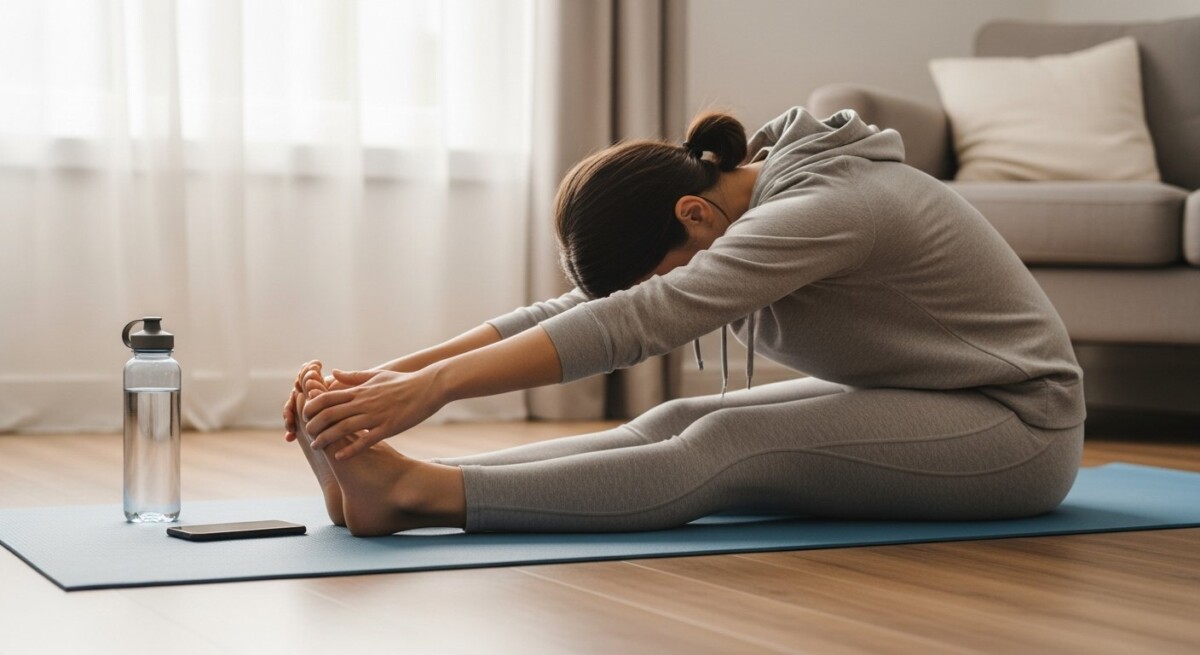
Imagine starting your day with a simple, five-minute routine that eases muscle tension, sharpens your focus, and sets a positive tone for the hours ahead. That is the power of daily stretching. While many people view stretching as an afterthought or something reserved for athletes, the truth is that incorporating a few minutes of flexibility work into your daily schedule can transform how your body feels and functions. From reducing the risk of injury to improving posture and even lowering stress levels, the benefits of stretching every day extend far beyond the gym. Whether you work at a desk, spend time caring for family, or simply want to move through life with greater ease, daily stretching is one of the most accessible and effective health habits you can adopt.
In this article, we will explore the science-backed reasons why stretching matters, the different types of stretches you should include, and how to build a sustainable routine that fits into your lifestyle. We will also discuss how virtual care options, such as those offered by DoctorsHome, can support your overall wellness journey by providing convenient access to healthcare professionals who can guide you on safe exercise practices and injury prevention. Let us dive into the many ways that daily stretching can improve your physical and mental health.
How Daily Stretching Improves Flexibility and Range of Motion
One of the most immediate and noticeable benefits of stretching every day is an improvement in flexibility. Flexibility refers to the ability of your muscles and connective tissues to lengthen and allow your joints to move through their full range of motion. As we age, our muscles naturally become tighter and less pliable. This is partly due to a decrease in physical activity, but also because of changes in the connective tissues themselves. Without regular stretching, everyday movements like bending down to tie your shoes, reaching for a high shelf, or looking over your shoulder while driving can become increasingly difficult.
When you stretch daily, you send a signal to your muscles and fascia that they need to remain long and adaptable. Over time, this consistent stimulus encourages the body to lay down new tissue in a more flexible pattern. The result is a noticeable increase in how far you can move a joint without discomfort. For example, a person who stretches their hamstrings every day may find that they can touch their toes with straight legs after just a few weeks. This improved range of motion does more than just make you feel limber. It also reduces the mechanical stress on your joints during movement, which can help prevent conditions like arthritis and chronic back pain.
It is important to note that flexibility gains require consistency. A single stretching session may provide temporary relief, but lasting change comes from daily practice. Even five to ten minutes of targeted stretching each day is more effective than an hour-long session once a week. The key is to focus on the major muscle groups: hamstrings, quadriceps, hip flexors, chest, shoulders, and back. As you progress, you can move into more specific stretches that address your personal tight spots.
Reducing the Risk of Injury Through Consistent Stretching
Injury prevention is one of the most compelling reasons to make stretching a non-negotiable part of your daily routine. When muscles are tight and inflexible, they are more prone to strains, tears, and other soft-tissue injuries. This is particularly true during physical activities that require sudden movements, such as running, jumping, or lifting. A tight muscle is like a short, stiff rubber band. When you try to stretch it quickly, it may snap. A well-stretched muscle, on the other hand, has greater elasticity and can absorb more force before reaching its breaking point.
Daily stretching helps maintain muscle balance around your joints. Many injuries occur because one muscle group is significantly tighter than its opposing group. For instance, people who sit for long hours often develop tight hip flexors and a weak, lengthened gluteal complex. This imbalance can lead to lower back pain and even knee problems. By stretching the tight muscles and strengthening the weak ones, you restore balance and reduce the likelihood of injury. This principle applies to almost every joint in the body, from the shoulders to the ankles.
For those recovering from an injury, gentle daily stretching under the guidance of a healthcare professional can be a crucial part of rehabilitation. It helps break down scar tissue, improves blood flow to the injured area, and gradually restores normal movement patterns. If you are dealing with a chronic condition or a recent injury, it is wise to consult a doctor or physical therapist before starting a new stretching routine. Telemedicine platforms like DoctorsHome make it easy to get professional advice from the comfort of your home, ensuring that you stretch safely and effectively.
Posture Correction and Relief from Back Pain
Poor posture is a modern epidemic. Hours spent hunched over computers, smartphones, and steering wheels have led to a population with rounded shoulders, forward head posture, and tight chest muscles. These postural deviations not only look unappealing but also cause significant pain and dysfunction, particularly in the neck, shoulders, and lower back. Daily stretching is one of the most effective tools for correcting these imbalances and alleviating pain.
When you stretch the muscles that are chronically tight (such as the chest, hip flexors, and hamstrings), you allow the opposing muscles to function properly. For example, stretching the pectoral muscles helps open up the chest, allowing the upper back muscles to pull the shoulders back into a healthy position. Similarly, stretching the hip flexors can relieve the anterior pelvic tilt that often contributes to lower back pain. Over time, these stretches retrain your body to hold itself in a more aligned posture, even when you are not consciously thinking about it.
The benefits of stretching every day for posture extend beyond pain relief. Good posture improves your breathing by allowing your diaphragm to expand fully. It also enhances your appearance, making you look taller and more confident. Many people report that after a few weeks of daily stretching, their chronic back pain diminishes significantly. This is because the spine is no longer being compressed or pulled out of alignment by tight muscles. If back pain is a persistent issue for you, combining daily stretching with core-strengthening exercises can provide even greater relief.
Stress Reduction and Mental Clarity
The connection between the body and mind is powerful, and stretching is a wonderful way to bridge the two. When you stretch, you are not just lengthening muscles. You are also activating the parasympathetic nervous system, which is responsible for the rest-and-digest response. This activation lowers your heart rate, reduces blood pressure, and decreases the levels of stress hormones like cortisol in your body. The result is a profound sense of calm and relaxation that can last for hours after your stretching session.
Many people find that a short stretching routine in the morning or evening helps them transition between the busyness of the day and a state of rest. The focused breathing and mindful awareness required during stretching can be a form of meditation in motion. As you hold a stretch and breathe deeply, you are forced to be present in the moment, letting go of worries about the past or future. This mental reset is invaluable for managing anxiety and improving overall mood.
Additionally, stretching can improve your sleep quality. Tight muscles often contribute to restlessness at night, as your body struggles to find a comfortable position. By releasing tension before bed, you signal to your body that it is time to relax. A consistent evening stretching routine can help you fall asleep faster and enjoy deeper, more restorative sleep. Better sleep, in turn, supports every other aspect of your health, from immune function to cognitive performance.
Enhanced Athletic Performance and Daily Function
For athletes and fitness enthusiasts, the benefits of stretching every day are directly tied to performance. A flexible muscle can generate more force and move more efficiently than a tight one. This is because a muscle that is within its optimal length-tension relationship can contract more powerfully and with less energy expenditure. Daily stretching also improves neuromuscular coordination, meaning that your brain can communicate more effectively with your muscles. This leads to smoother, more controlled movements, which is essential for activities like running, swimming, weightlifting, and yoga.
But you do not have to be an athlete to benefit from this. Daily functional movements like walking, climbing stairs, carrying groceries, and playing with your children all become easier when your body is flexible. As you age, maintaining this functional mobility is critical for independence and quality of life. Stretching helps ensure that you can continue to do the things you love without being limited by stiffness or pain.
To maximize the performance benefits, it is important to distinguish between static and dynamic stretching. Before a workout, dynamic stretches (such as leg swings, arm circles, and torso twists) are preferred because they warm up the muscles and prepare them for activity. Static stretching (holding a position for 15-60 seconds) is best reserved for after a workout or as a standalone session on rest days. Including both types in your weekly routine will give you the best results.
Better Circulation and Joint Health
When you stretch, you increase blood flow to your muscles and joints. This enhanced circulation delivers oxygen and nutrients to the tissues while helping to remove metabolic waste products like lactic acid. Improved blood flow is particularly beneficial for joint health because it nourishes the cartilage and synovial fluid that keep joints moving smoothly. For people with conditions like osteoarthritis, daily gentle stretching can help reduce stiffness and improve mobility without exacerbating pain.
Stretching also stimulates the production of synovial fluid, which lubricates the joints. Think of it as oiling a rusty hinge. When you move a joint through its full range of motion regularly, the synovial fluid is distributed evenly, reducing friction and wear. This is why people who stretch daily often report that their joints feel younger and more supple. The combination of better circulation, reduced muscle tension, and improved joint lubrication creates a powerful synergy that supports long-term musculoskeletal health.
If you have a sedentary job, taking a few minutes every hour to stand up and stretch can counteract the negative effects of prolonged sitting. Simple stretches like shoulder rolls, wrist flexor stretches, and standing forward folds can keep your circulation moving and prevent the stiffness that comes from being in one position for too long. This small habit can make a huge difference in how you feel at the end of the workday.
Building a Simple Daily Stretching Routine
Creating a daily stretching habit does not have to be complicated. The key is to start small and be consistent. Here is a simple framework to help you get started:
- Choose a consistent time. Many people find that stretching first thing in the morning helps wake up the body, while stretching in the evening promotes relaxation. Pick a time that you can stick with every day.
- Start with 5-10 minutes. You do not need an hour. Even a short routine can produce significant benefits if done daily. As you get used to it, you can gradually increase the duration.
- Focus on major muscle groups. Prioritize the areas that feel tightest. Common targets include neck, shoulders, chest, back, hips, hamstrings, and calves.
- Breathe deeply. Inhale as you prepare for the stretch, and exhale as you move into it. Deep breathing helps your muscles relax and allows for a deeper stretch.
- Do not bounce. Use slow, controlled movements. Bouncing can trigger the stretch reflex and actually cause the muscle to tighten, increasing the risk of injury.
Remember that consistency matters more than intensity. A gentle stretch that you do every day is far more valuable than an aggressive stretch that you do once a week and then avoid because it hurts. Listen to your body and never push into sharp pain. A mild pulling sensation is normal, but sharp or stabbing pain is a sign that you are pushing too far. If you have any pre-existing medical conditions or concerns, it is always a good idea to check with a healthcare provider before starting a new exercise program. For more insights on how virtual care can support your wellness goals, read our guide on Telehealth in Healthcare: Benefits and Modern Care.
Daily stretching is a simple, free, and powerful tool for improving your physical and mental health. From increasing flexibility and reducing injury risk to relieving stress and enhancing posture, the benefits are undeniable. By committing to just a few minutes each day, you can unlock a healthier, more vibrant version of yourself. Start today. Your body will thank you.
About the Author: Matthew Sullivan





Sign up for our newsletter and Save 20% on Test Kits
"*" indicates required fields