
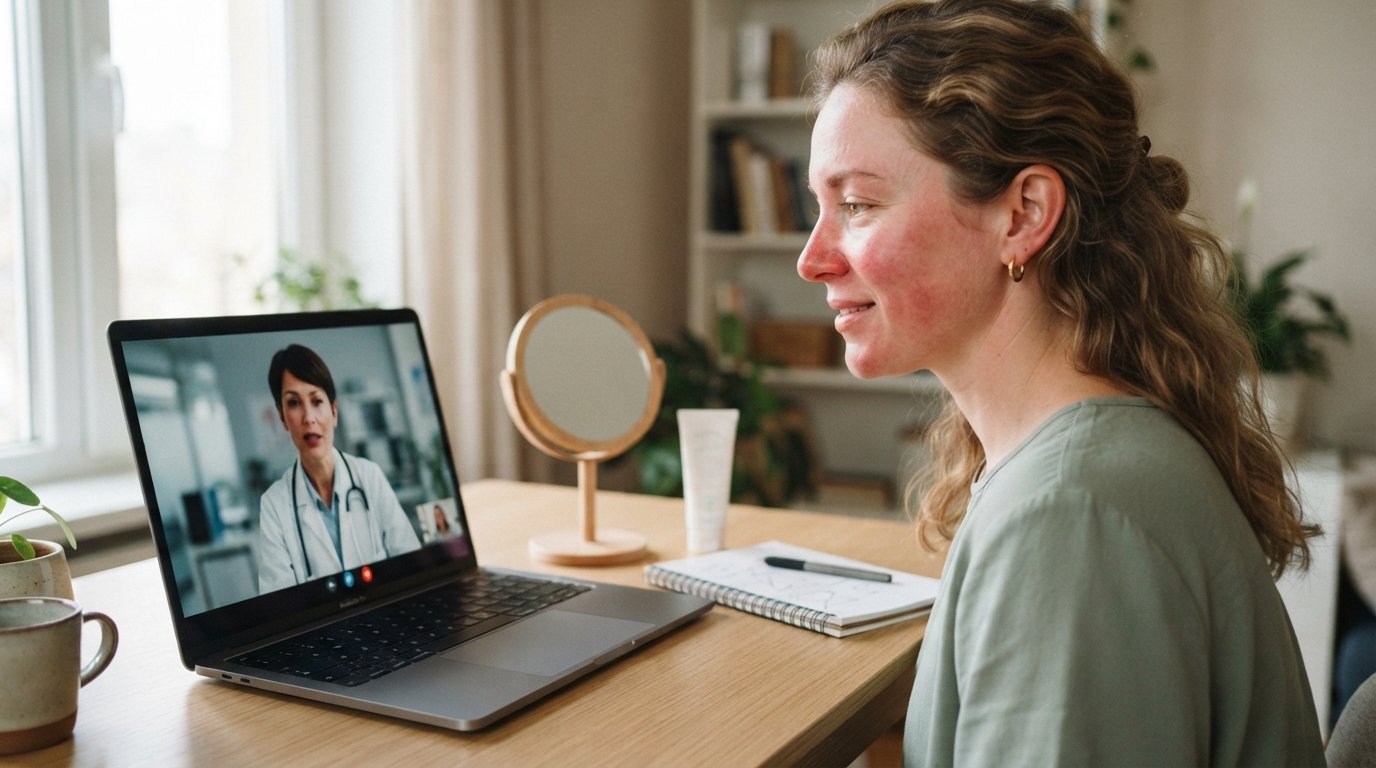
Telehealth Dermatology for Rosacea and Melasma Care
Explore telehealth dermatology for rosacea and melasma treatments, including common medications and safety points to discuss with a licensed clinician.

By Irene Griffin
Rosacea and melasma are two of the most common skin concerns that lead people to seek dermatology care, yet they are often misunderstood and mismanaged. If you have ever dealt with persistent facial redness, flushing, or dark patches on your skin, you know how frustrating it can be to find effective solutions. The good news is that telehealth dermatology for rosacea and melasma treatments has made it easier than ever to get expert guidance from the comfort of your home. In this article, we will explore how virtual visits work, which medications clinicians commonly discuss, and the safety points you should know before starting any treatment. DoctorsHome is an educational resource, not a medical provider, so our goal is to help you understand your options so you can have a more informed conversation with a licensed clinician.
Understanding Rosacea and Melasma: What Are They?
Rosacea is a chronic inflammatory skin condition that primarily affects the face. It is characterized by redness, flushing, visible blood vessels, and sometimes acne-like bumps. While the exact cause is unknown, factors such as genetics, immune system overactivity, and environmental triggers (like sun exposure, spicy foods, and stress) play a role. Rosacea typically flares up in cycles, and without proper management, it can worsen over time. Many people with rosacea also experience sensitive skin that stings or burns when using certain products.
Melasma, on the other hand, is a pigmentation disorder that causes dark, discolored patches on the skin, most commonly on the face. It is often triggered by sun exposure and hormonal changes, which is why it is more prevalent in women, especially during pregnancy or while taking hormonal contraceptives. Melasma is not harmful physically, but it can have a significant emotional impact due to its appearance. Unlike rosacea, melasma does not cause inflammation or bumps, but it can be stubborn to treat and requires consistent sun protection to prevent worsening.
Both conditions can be challenging to manage, but they are treatable. The key is to get an accurate diagnosis and a tailored treatment plan from a qualified professional. This is where telehealth dermatology for rosacea and melasma treatments comes into play, offering convenient access to clinicians who can discuss medication options and safety considerations.
How Telehealth Dermatology Works for Rosacea and Melasma
Telehealth dermatology involves virtual consultations with licensed dermatologists or other healthcare providers via video calls, phone calls, or secure messaging. During a typical visit, you will discuss your symptoms, medical history, and treatment goals. The clinician may ask you to show your skin on camera or send close-up photos. While some skin conditions require an in-person biopsy or procedure, rosacea and melasma can often be assessed visually, making them suitable for telehealth evaluation.
A telehealth visit for rosacea and melasma typically covers several important components. First, the clinician will review your symptoms and triggers to confirm the diagnosis. They will then discuss potential treatment options, including topical medications, oral medications, and lifestyle modifications. They will also evaluate your skin sensitivity and other health factors to ensure any recommended treatment is safe for you. Finally, they will provide guidance on sun protection and skincare routines that can support your treatment plan.
It is important to note that telehealth dermatology for rosacea and melasma treatments is not a one-size-fits-all solution. The clinician will tailor their recommendations to your specific skin type, severity of symptoms, and preferences. They may also recommend follow-up visits to monitor your progress and adjust the treatment as needed. Because rosacea and melasma are chronic conditions, ongoing management is often necessary, and telehealth makes it easier to stay consistent with your care.
Common Treatments for Rosacea Discussed in Telehealth
When it comes to rosacea, treatment focuses on reducing inflammation, controlling flares, and preventing progression. Clinicians commonly discuss several medication options during telehealth visits. Two of the most frequently prescribed topical treatments are metronidazole and azelaic acid. Metronidazole is an antibiotic gel or cream that helps reduce redness and bumps by targeting the inflammatory response. Azelaic acid, available as a gel or cream, also reduces inflammation and has the added benefit of helping with post-inflammatory hyperpigmentation. Both are generally well-tolerated, but some people may experience mild irritation, especially when starting treatment.
In addition to topicals, oral antibiotics such as doxycycline may be prescribed for moderate to severe rosacea. Doxycycline helps control inflammation and can reduce the number of flares. However, long-term use of antibiotics carries risks, so clinicians often prescribe the lowest effective dose for the shortest duration possible. Another option is ivermectin cream, which targets the Demodex mites that are sometimes associated with rosacea. Each of these treatments has specific safety points that a clinician will review with you.
Here are some key safety points for rosacea treatments that are commonly discussed:
- Sun protection: Sun exposure is a major trigger for rosacea, and many treatments can increase sun sensitivity. Daily use of a broad-spectrum sunscreen with SPF 30 or higher is essential.
- Skin sensitivity: Rosacea-prone skin is often sensitive, so clinicians may recommend starting with lower concentrations or patch testing new products. Avoid harsh scrubs, alcohol-based toners, and fragranced products.
- Pregnancy and breastfeeding: Some rosacea medications, such as certain oral antibiotics, may not be safe during pregnancy. Always inform your clinician if you are pregnant, planning to become pregnant, or breastfeeding.
- Drug interactions: Oral antibiotics can interact with other medications, so provide a complete list of your current prescriptions and supplements.
Beyond medications, clinicians will also discuss lifestyle modifications that can help manage rosacea. These include identifying and avoiding personal triggers (such as spicy foods, hot beverages, and stress), using gentle skincare products, and maintaining a consistent routine. While these steps may seem simple, they can make a significant difference in reducing flare frequency and severity.
Common Treatments for Melasma Discussed in Telehealth
Melasma treatment aims to lighten existing dark patches and prevent new ones from forming. The most commonly discussed medication for melasma is hydroquinone, a topical skin-lightening agent that inhibits melanin production. Hydroquinone is available in various concentrations and is often used in combination with other agents to enhance effectiveness and reduce the risk of side effects. It is typically applied to the affected areas twice daily for a limited period, as long-term use can lead to a condition called ochronosis (a bluish-gray discoloration). Clinicians carefully monitor patients using hydroquinone to ensure safe and effective use.
Another mainstay of melasma treatment is tretinoin, a topical retinoid that promotes skin cell turnover and helps fade pigmentation. Tretinoin can be irritating, especially for those with sensitive skin, so clinicians often recommend starting with a low concentration and applying it gradually. It is also important to use sunscreen diligently when using tretinoin, as it can increase sun sensitivity. Other topical options include azelaic acid, kojic acid, and cysteamine, which have varying mechanisms of action and safety profiles.
Oral medications such as tranexamic acid are sometimes prescribed for melasma, particularly when topicals are not effective. Tranexamic acid works by inhibiting plasmin, an enzyme involved in melanin production. While it can be effective, it carries risks such as blood clots, so it is not suitable for everyone. Clinicians will assess your risk factors before prescribing it. Chemical peels and laser treatments are also options for melasma, but these are typically performed in-person by a dermatologist and may not be part of a telehealth plan.
Safety points for melasma treatments that are commonly emphasized include:
- Strict sun protection: Sun exposure is the primary trigger for melasma, and even brief exposure can undo weeks of treatment. Use a broad-spectrum sunscreen with a high SPF, reapply every two hours, and wear protective clothing and hats.
- Skin sensitivity: Many melasma treatments, especially tretinoin and hydroquinone, can cause redness, peeling, and irritation. Clinicians may recommend a gradual introduction and moisturizing regularly.
- Pregnancy and breastfeeding: Hydroquinone and tretinoin are generally not recommended during pregnancy. Alternative options like azelaic acid may be safer, but always consult a clinician.
- Product quality: Hydroquinone is available over the counter in some countries but is prescription-only in others. Ensure you obtain it from a reputable source and follow your clinician's instructions.
It is also worth noting that melasma can be persistent and may require a combination of treatments and long-term maintenance. Clinicians will work with you to develop a realistic plan and set expectations. Patience and consistency are key, as improvements may take several weeks to months.
What a Telehealth Dermatology Visit Covers
A telehealth dermatology visit for rosacea and melasma is a structured consultation designed to provide you with a thorough assessment and a personalized treatment plan. During the visit, the clinician will begin by taking a detailed history, including your symptoms, when they started, what makes them better or worse, and any treatments you have tried. They will also ask about your medical history, including any allergies, medications, and hormonal factors that could influence your skin condition.
Next, the clinician will perform a visual examination of your skin. They may ask you to adjust your camera or lighting to get a clear view of the affected areas. In some cases, they may request that you send high-resolution photos before the visit to facilitate a more accurate assessment. Based on this evaluation, the clinician will discuss possible diagnoses and explain the reasoning behind their recommendations.
Treatment planning is a collaborative process. The clinician will outline the available options, including prescription medications, over-the-counter products, and lifestyle changes. They will explain the benefits, potential side effects, and safety considerations for each option. You will have the opportunity to ask questions and express any concerns. If a prescription is appropriate, the clinician will provide it electronically to a pharmacy of your choice. However, it is important to remember that DoctorsHome does not prescribe or sell medications; we only provide educational information to help you prepare for such visits.
Follow-up care is also an important part of telehealth dermatology. The clinician will likely schedule a follow-up visit to monitor your progress and make any necessary adjustments to your treatment plan. They may also provide guidance on when to seek in-person care if your condition does not improve or worsens. Overall, a telehealth visit offers convenience, accessibility, and personalized attention, making it a valuable option for managing rosacea and melasma.
Safety Points to Discuss with Your Clinician
Before starting any treatment for rosacea or melasma, it is crucial to have a thorough discussion with your clinician about safety. Both conditions involve medications that can have side effects and interactions, so being informed is essential. Here are some key safety points to bring up during your telehealth visit.
First, discuss your pregnancy status or plans. Many medications used for rosacea and melasma are not safe during pregnancy or breastfeeding. For example, tretinoin and hydroquinone are generally avoided during pregnancy, and some oral antibiotics may also be contraindicated. If you are pregnant or planning to become pregnant, your clinician can recommend safer alternatives or adjust your treatment plan.
Second, review all your current medications, including over-the-counter drugs and supplements. Drug interactions can occur with both topical and oral treatments. For instance, oral antibiotics like doxycycline can interact with blood thinners and antacids, and tranexamic acid can increase the risk of blood clots when combined with hormonal contraceptives. Providing a complete medication list will help your clinician avoid potential problems.
Third, be honest about your skin sensitivity and any previous reactions to skincare products. Rosacea-prone skin is often sensitive, and melasma treatments can be irritating. Your clinician can adjust the strength or formulation of your medication to minimize discomfort. They may also recommend patch testing or starting with a lower frequency of application.
Finally, discuss sun protection strategies. Both rosacea and melasma are worsened by sun exposure, and many treatments increase sun sensitivity. Your clinician will emphasize the importance of daily sunscreen use and may recommend specific products that are gentle on sensitive skin. They can also advise on protective clothing and avoidance of peak sun hours.
Lifestyle and Skincare Tips for Managing Rosacea and Melasma
In addition to medical treatments, lifestyle and skincare habits play a vital role in managing rosacea and melasma. For rosacea, identifying and avoiding triggers is key. Common triggers include sun exposure, hot or spicy foods, alcohol, stress, and extreme temperatures. Keeping a symptom diary can help you pinpoint your personal triggers. Gentle skincare is also important: use mild cleansers, avoid scrubs and astringents, and moisturize regularly to support the skin barrier.
For melasma, sun protection is non-negotiable. Even on cloudy days, UV rays can penetrate and worsen pigmentation. Use a broad-spectrum sunscreen with SPF 30 or higher every day, and reapply every two hours if you are outdoors. Wearing a wide-brimmed hat and sunglasses can provide additional protection. Some clinicians also recommend topical antioxidants like vitamin C to help defend against sun damage.
Stress management can benefit both conditions, as stress is a known trigger for rosacea flares and can exacerbate melasma. Practices such as yoga, meditation, and adequate sleep can support overall skin health. Additionally, maintaining a healthy diet and staying hydrated can promote skin healing. While these lifestyle measures may not replace medication, they complement treatment and can improve outcomes.
When to Seek In-Person Care
While telehealth is convenient for many skin concerns, there are situations where in-person care is necessary. If your rosacea or melasma does not improve with treatment, or if you develop new or worsening symptoms, you should see a dermatologist in person. In-person visits allow for procedures such as biopsies, laser treatments, and chemical peels, which cannot be performed via telehealth. Additionally, if you experience severe skin reactions, such as blistering, swelling, or signs of infection, seek immediate medical attention.
It is also important to have a primary care provider or dermatologist who can coordinate your care. Telehealth visits can complement in-person care, but they are not a substitute for a comprehensive evaluation when needed. Your clinician can advise you on when an in-person visit is appropriate and help you find a local specialist if necessary.
How DoctorsHome Supports Your Journey
DoctorsHome is an educational resource dedicated to helping you understand telehealth treatments for a variety of health conditions, including rosacea and melasma. We provide clear, factual information about the medications clinicians commonly discuss and the safety points you should consider. Our goal is to empower you to have informed conversations with licensed healthcare providers. We do not diagnose, prescribe, sell medication, or book visits, but we can help you navigate the telehealth landscape with confidence.
Our articles cover a wide range of topics, from weight loss and sexual health to skin and hair conditions. We explain how telehealth visits work, what to expect, and how to prepare. By providing this knowledge, we aim to reduce confusion and help you make better decisions about your health. Whether you are exploring treatment options for rosacea, melasma, or another concern, DoctorsHome is here to support your educational journey.
Remember that your health is unique, and what works for one person may not work for another. Always consult a licensed clinician before starting any new treatment. They can assess your individual needs, consider your medical history, and recommend a safe and effective plan. Telehealth dermatology for rosacea and melasma treatments offers a convenient way to access that expertise, and with the right information, you can take control of your skin health.